Choosing an Indian wedding photographer is about more than finding someone whose photos you love. Of course, the artistry matters. But when you’re planning multiple events, outfit changes, family photos, traditions, packed timelines, and celebrations that can feel completely different from one day to the next. Not to mention, you also need someone who knows how to prepare for all of it!
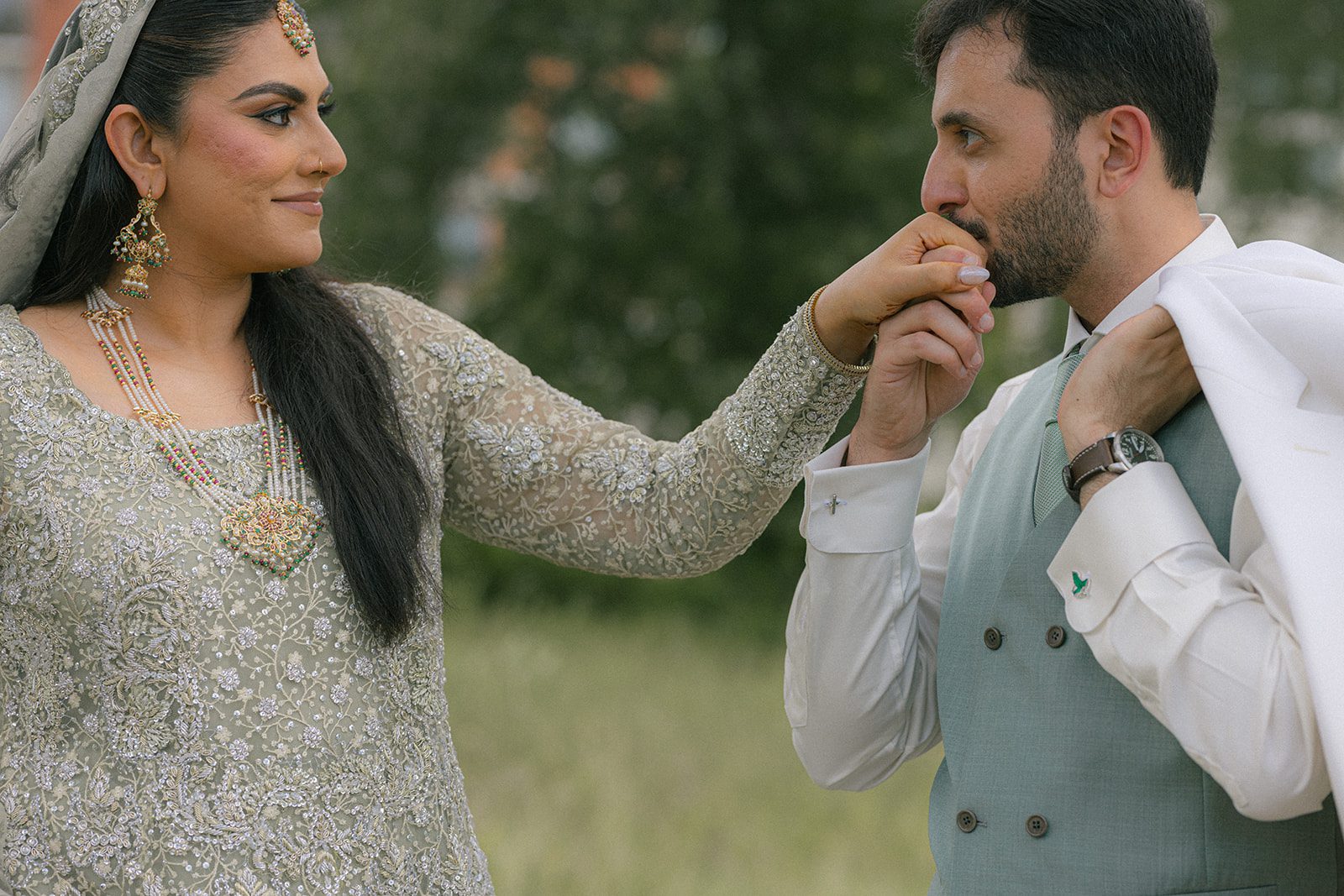
Rabee and Humza’s wedding is such a great example of this. Their celebration included four events (Nikkah, Mehndi, Shaadi, and Walima) across California and Texas. Each had its own energy and photography priorities. Photographing something like this well means understanding the bigger picture before the first event even begins.
Your Photographer Should Understand That Every Event Has Its Own Vibe
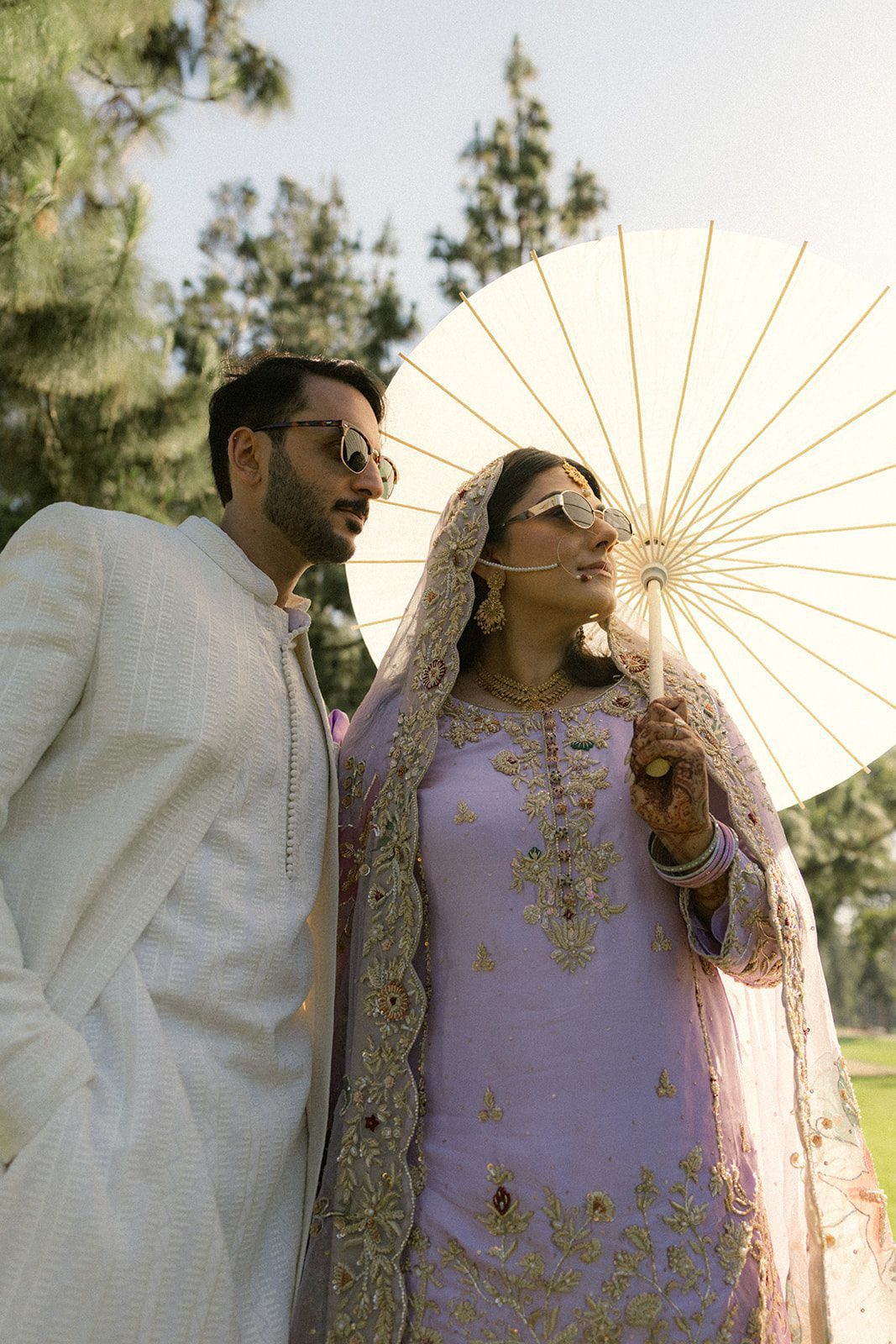
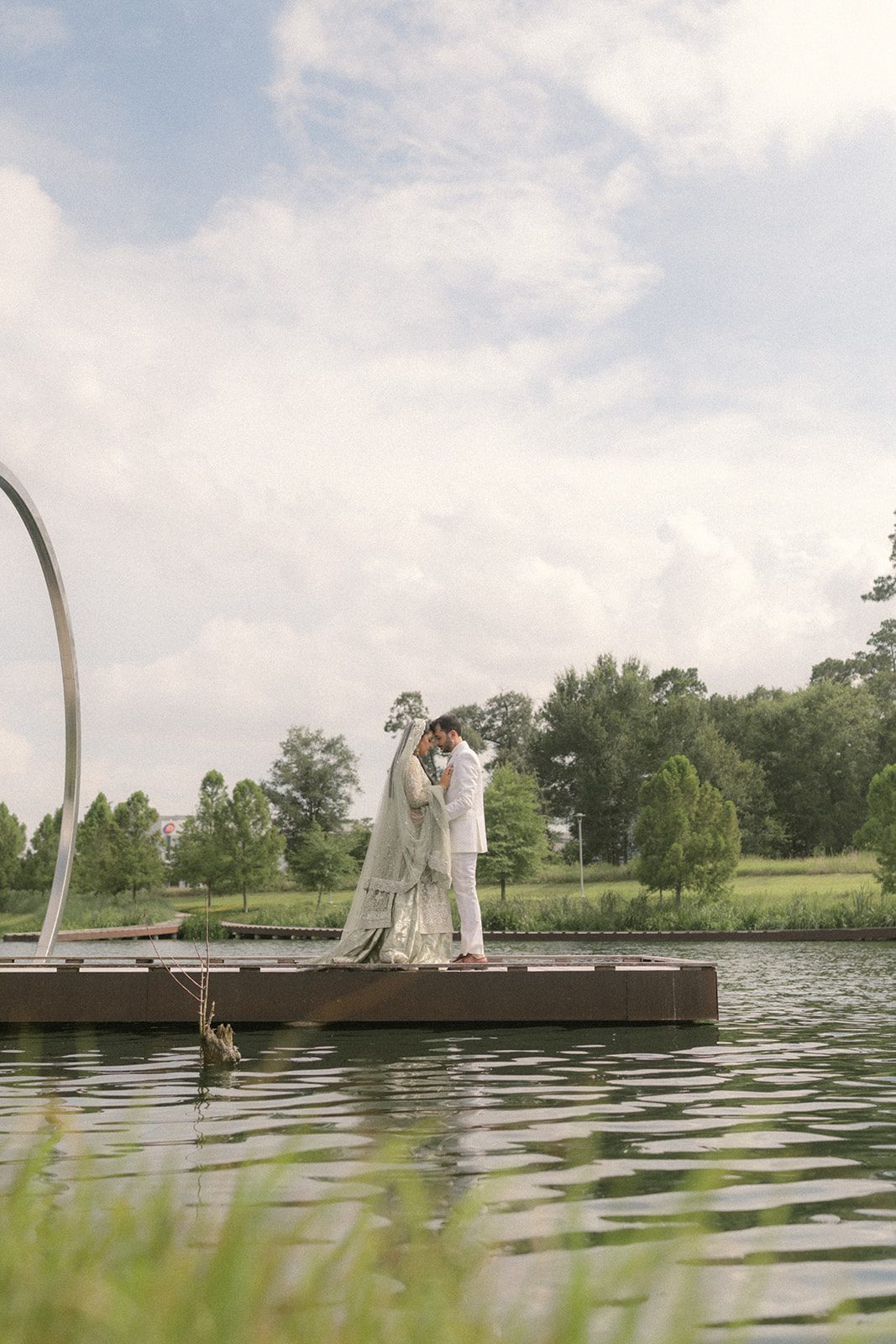
One thing I loved about Rabee and Humza’s plans was that they weren’t looking for every event to be photographed the same way.
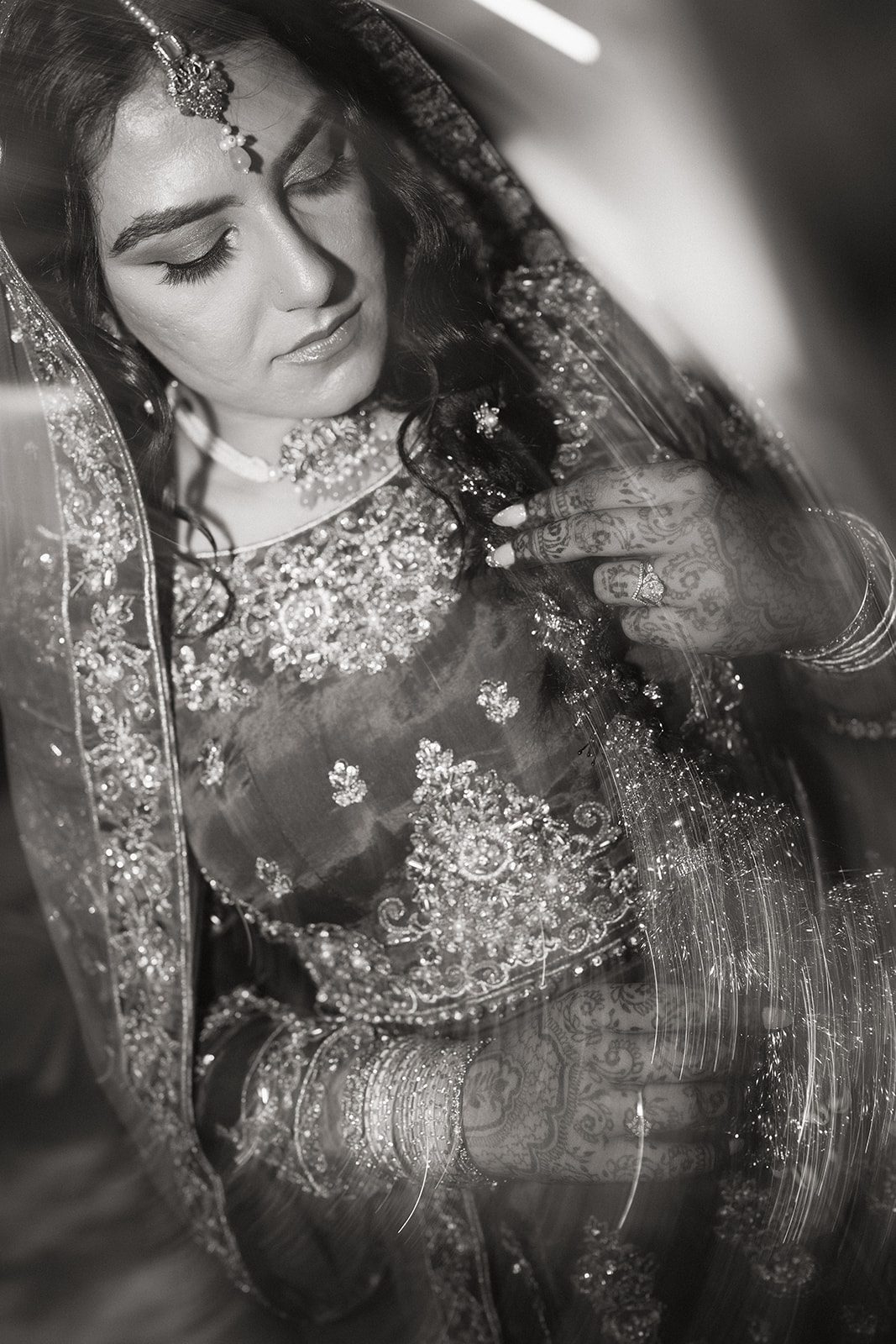
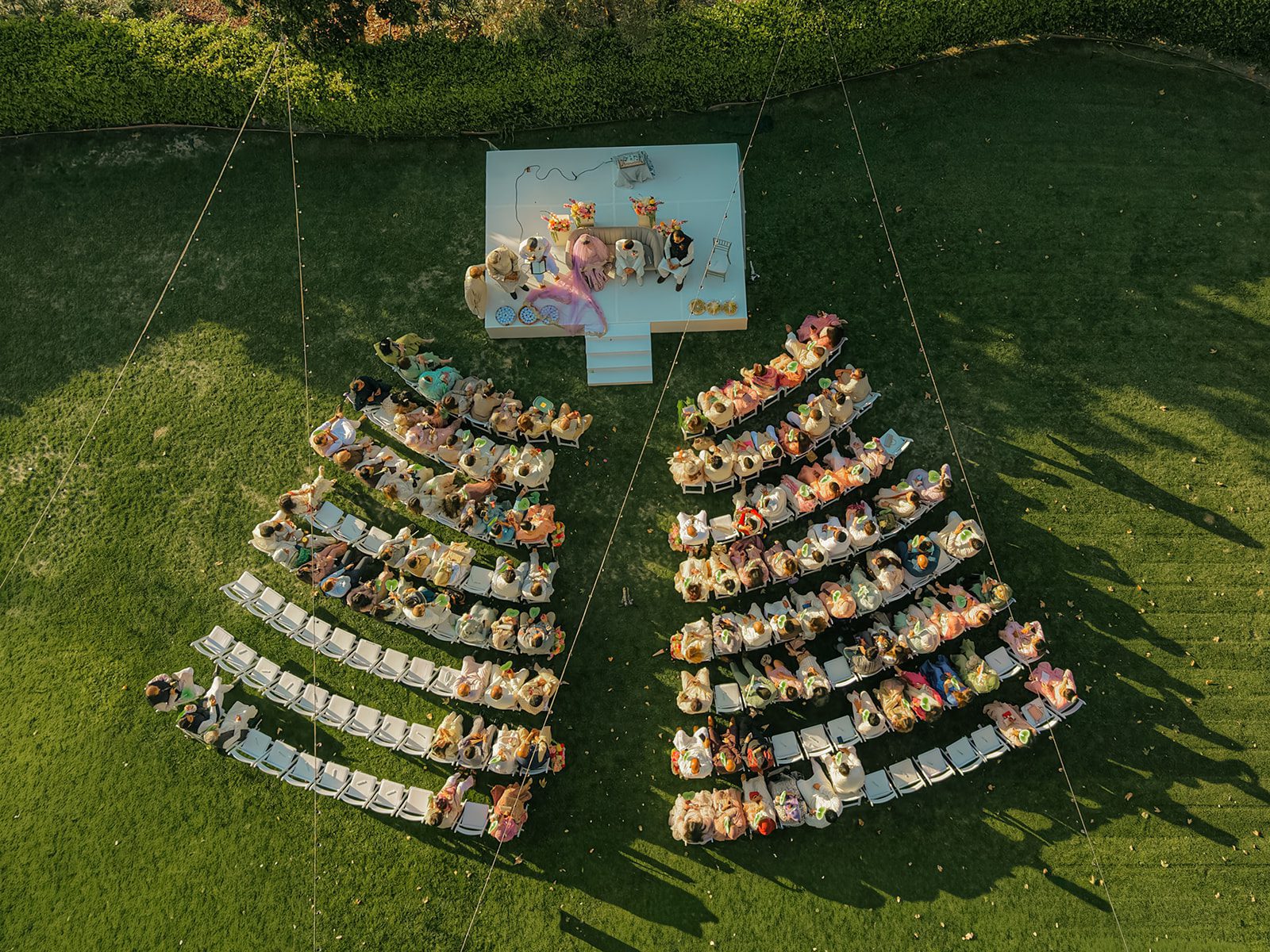
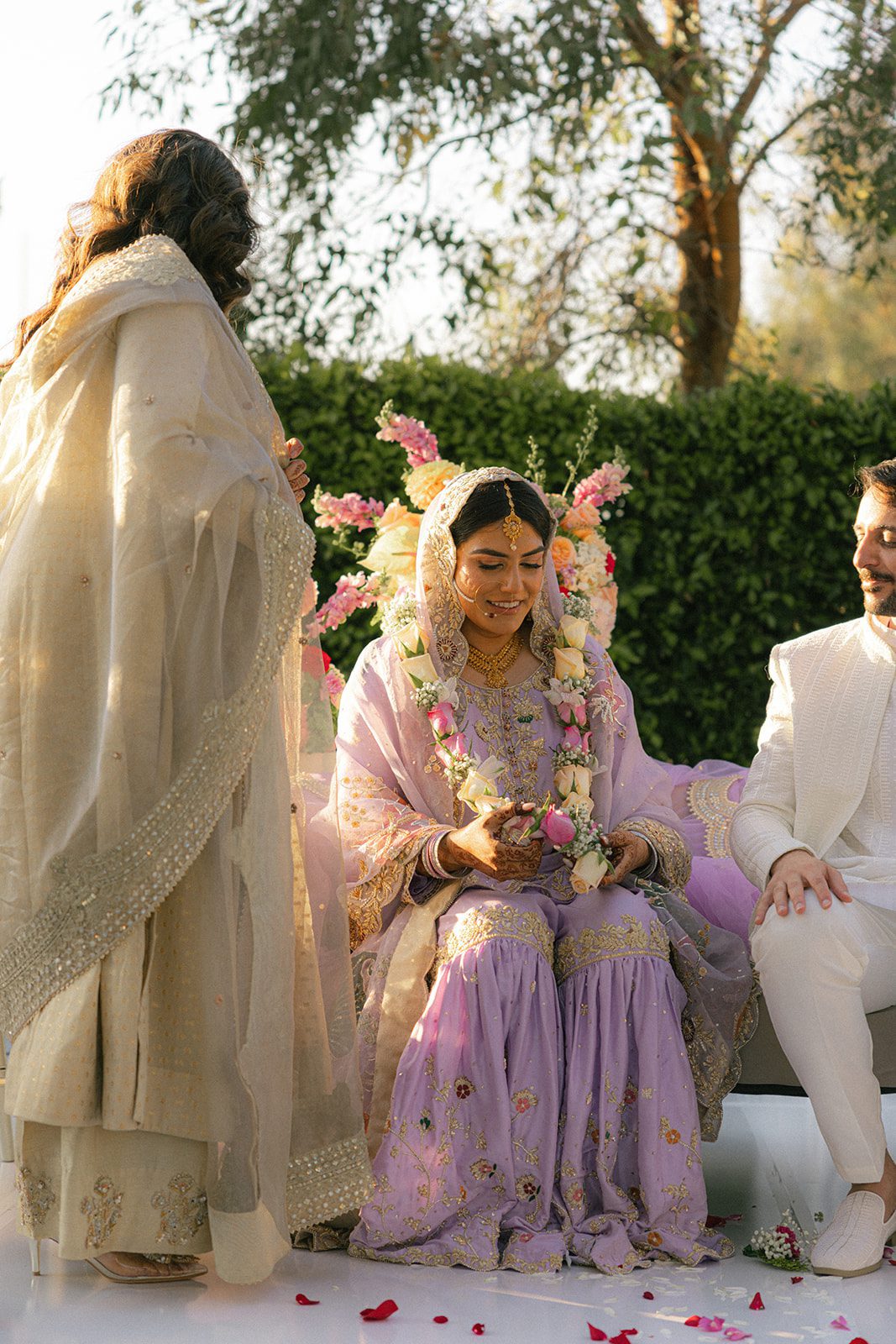
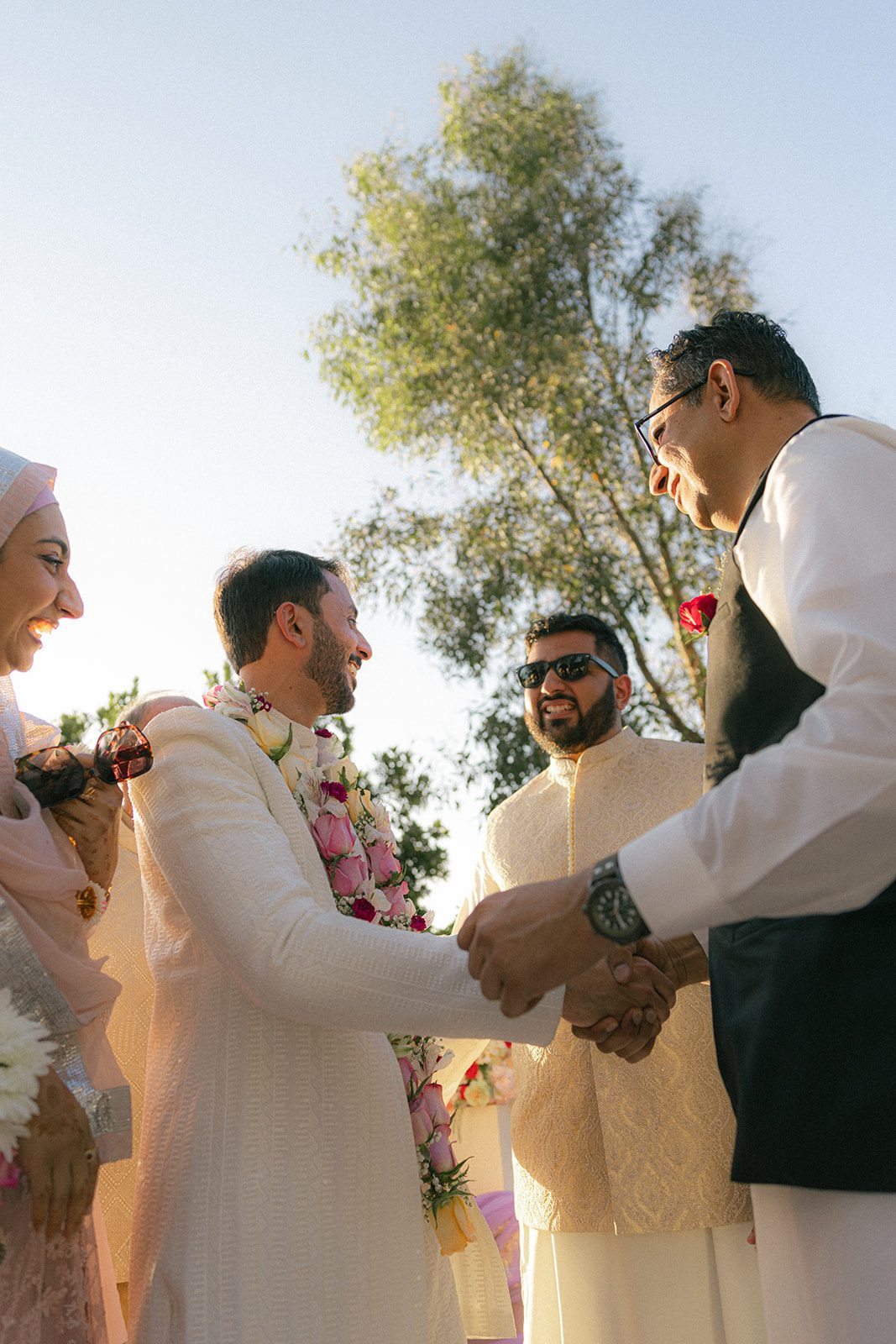
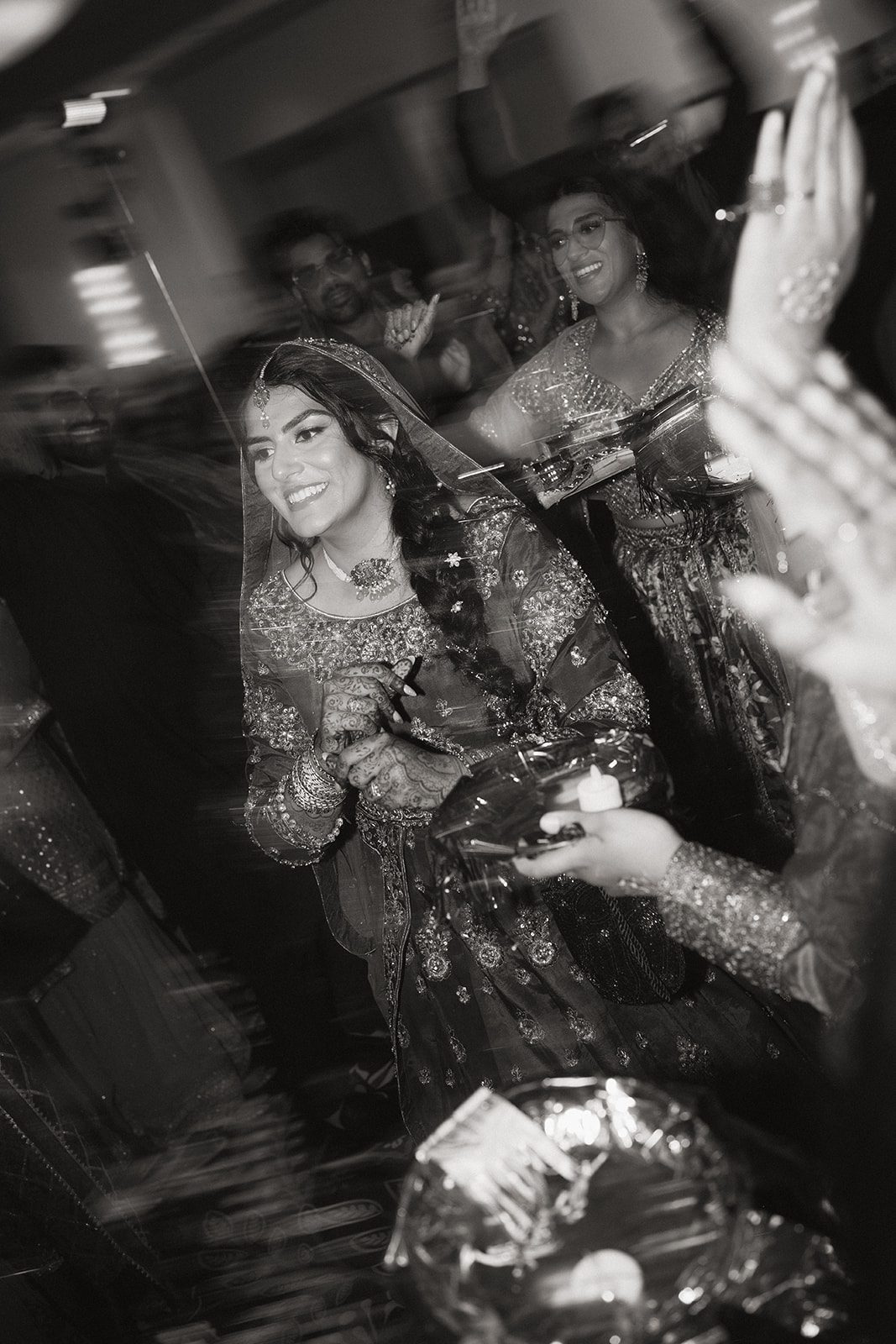
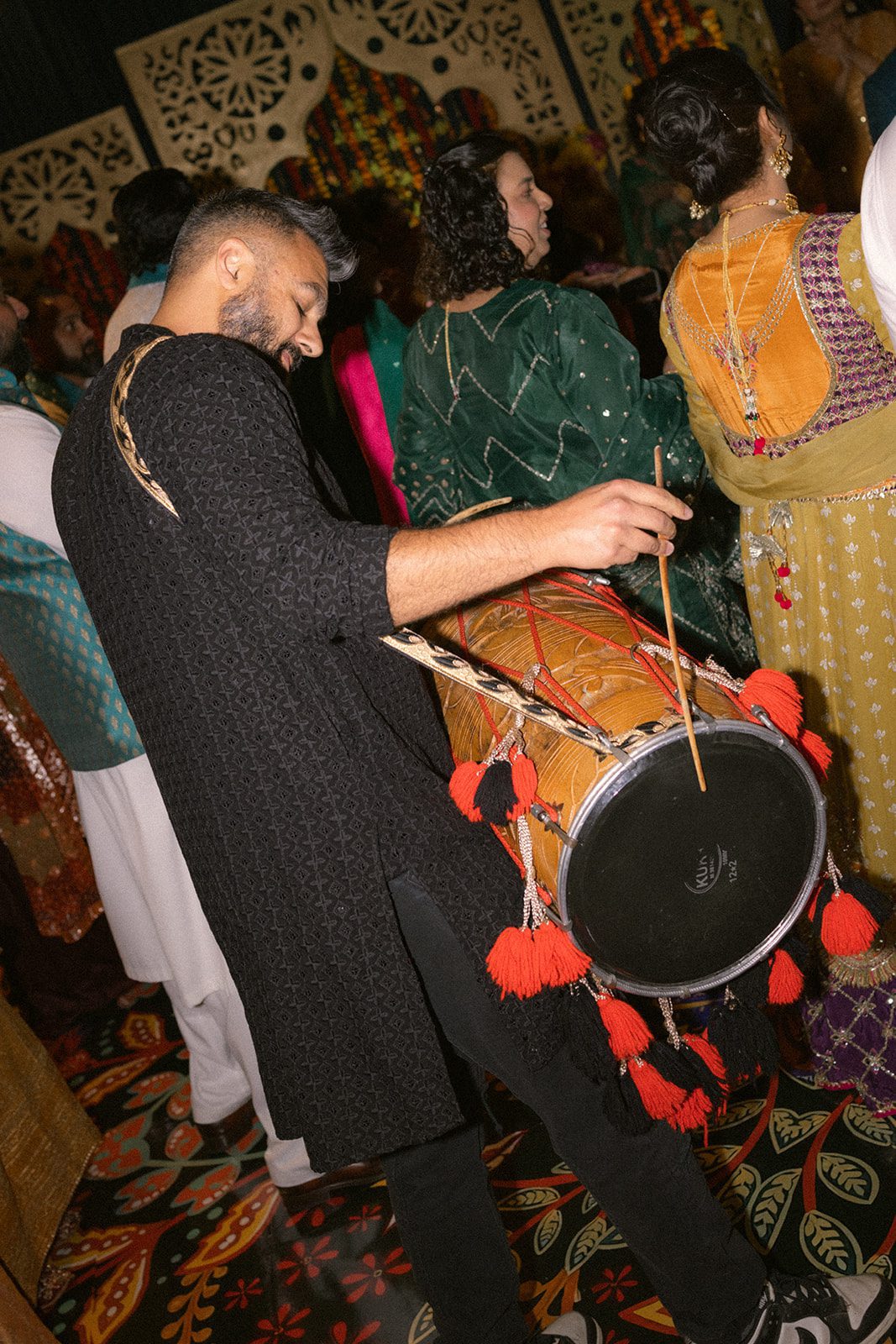
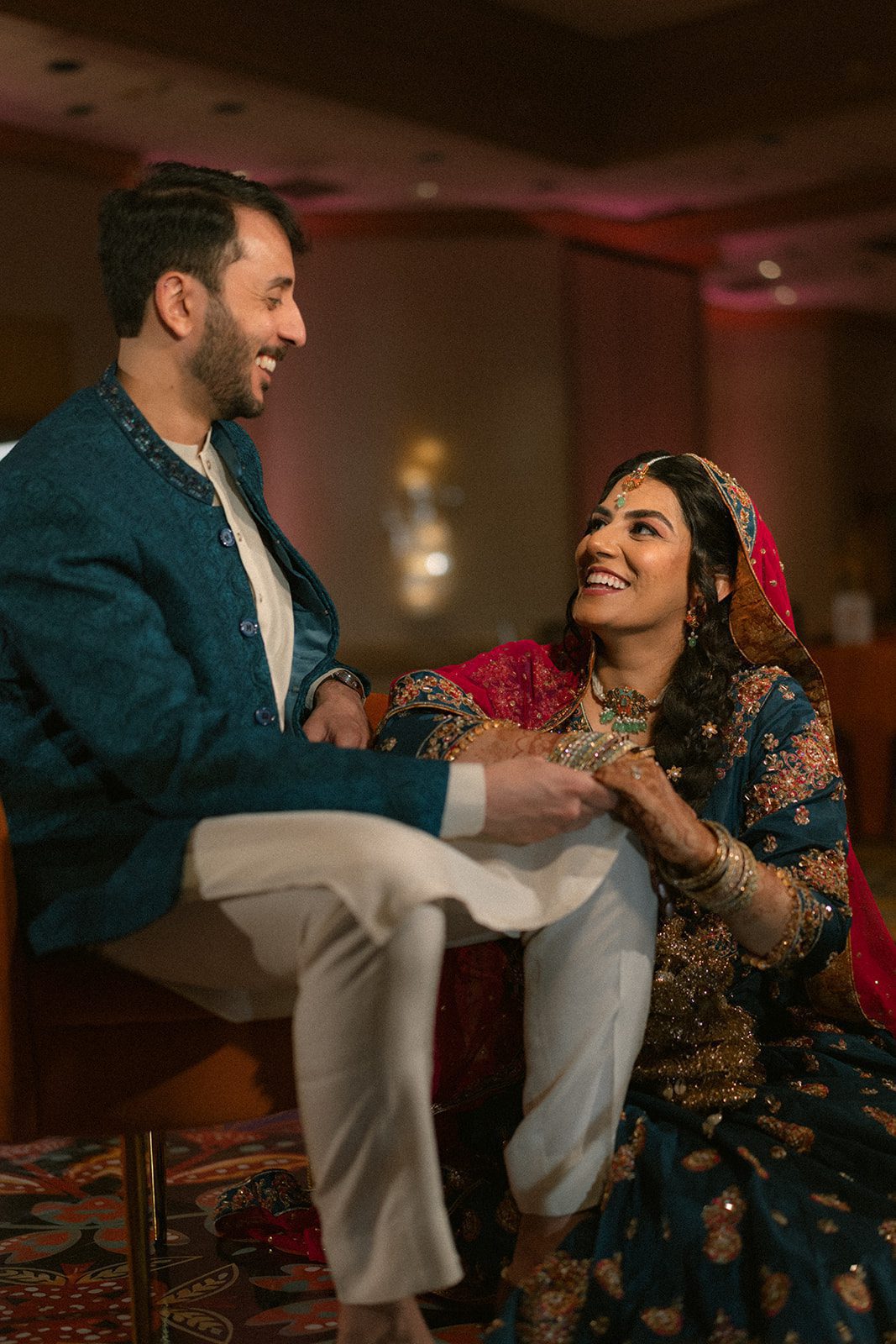
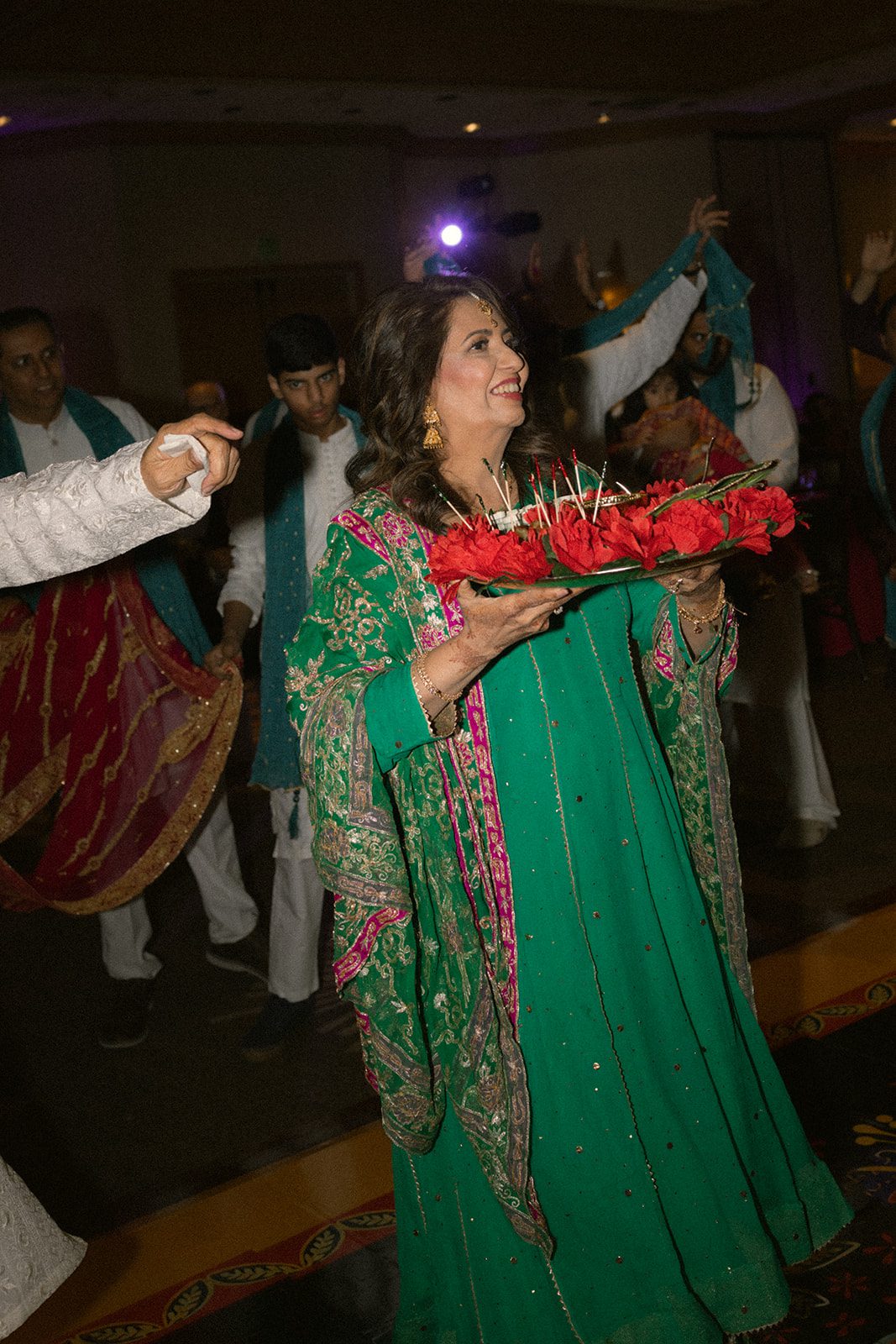
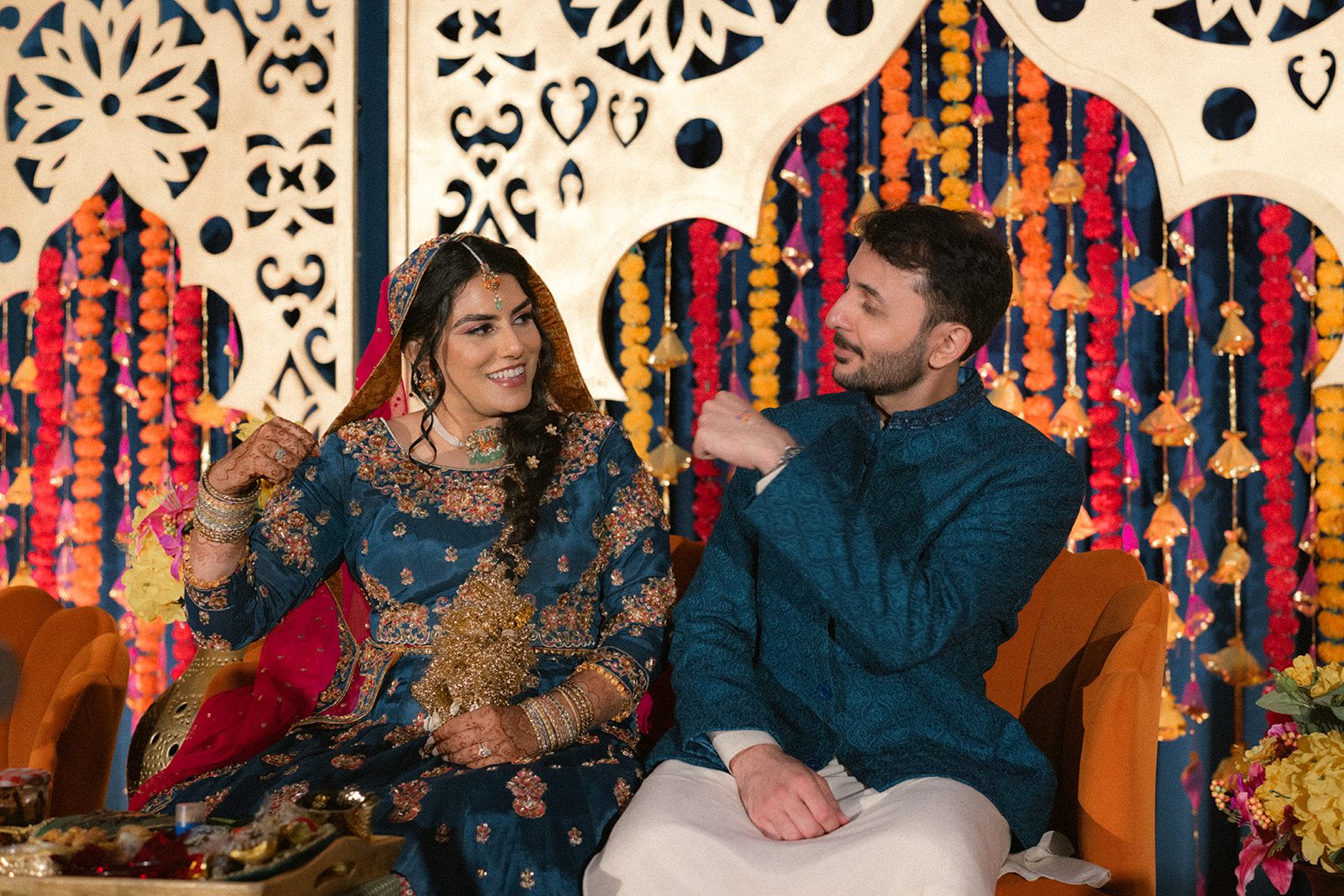
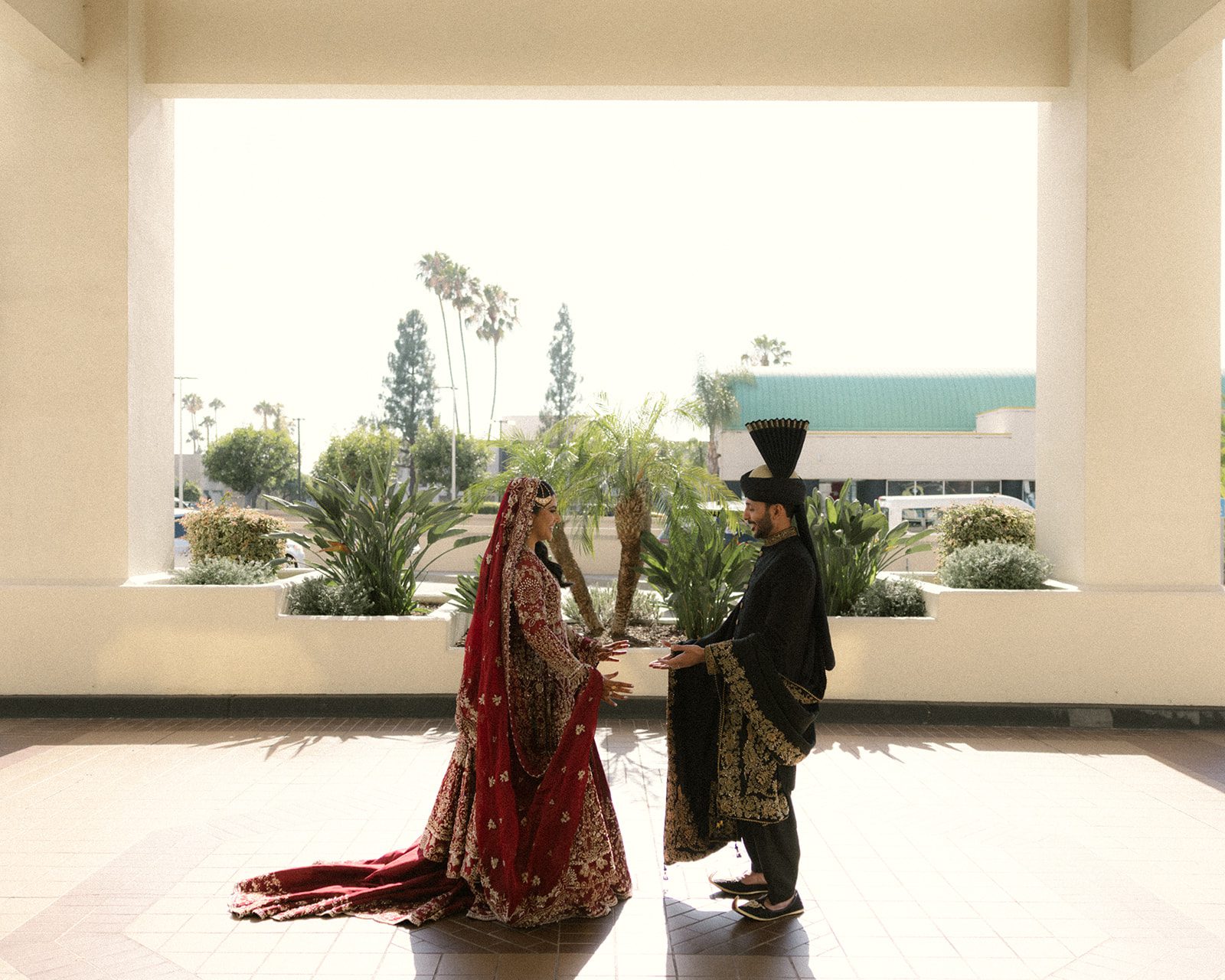
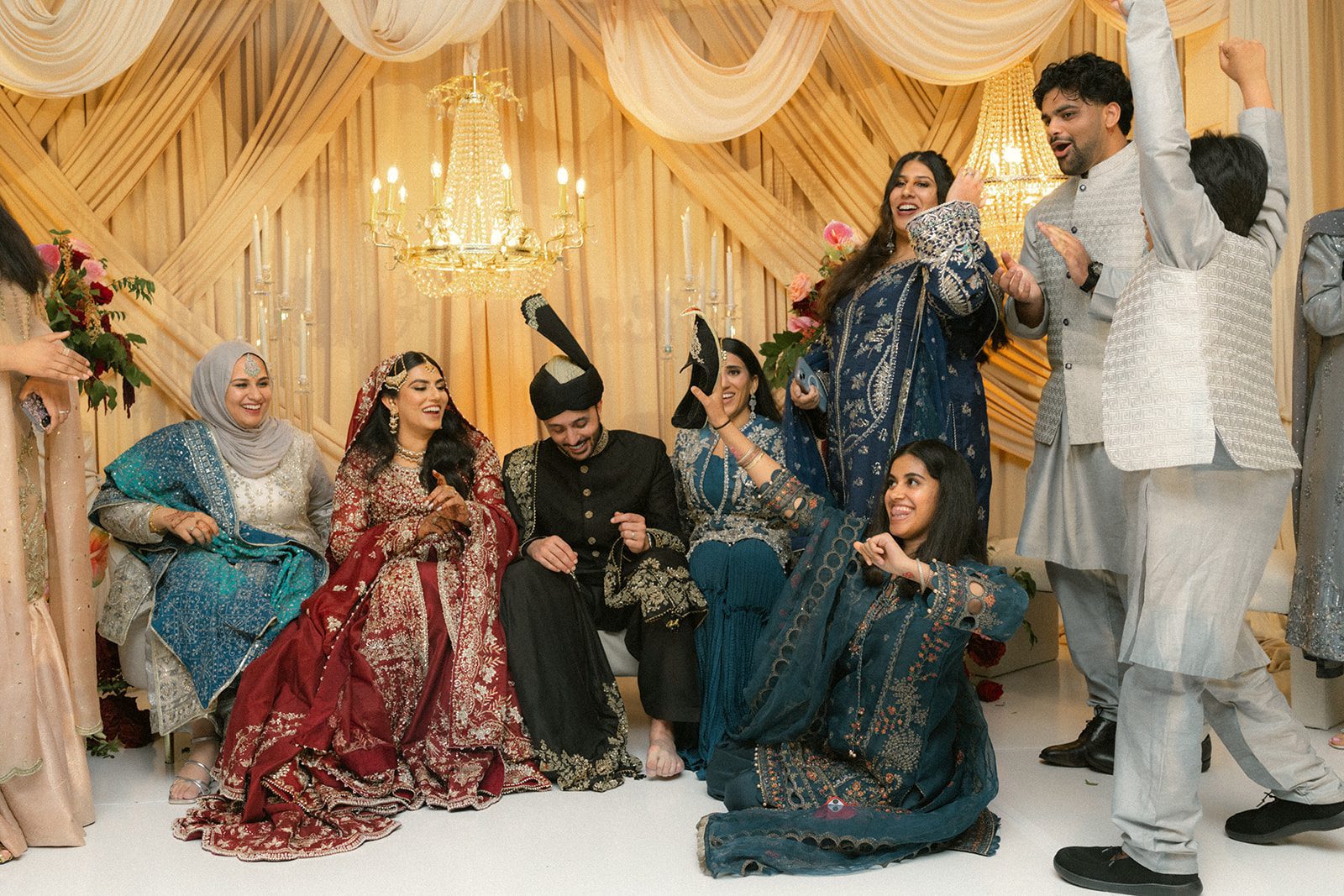
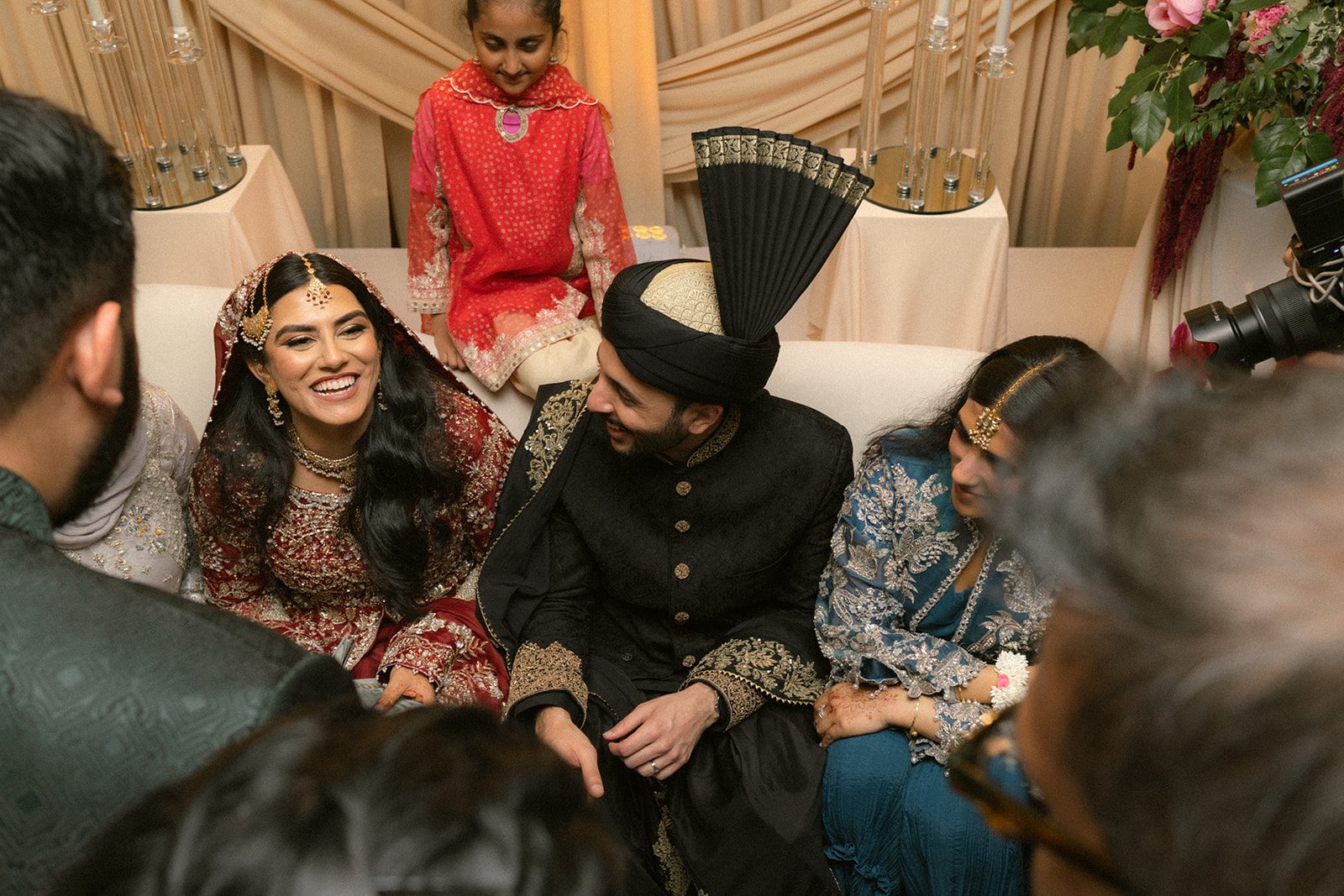
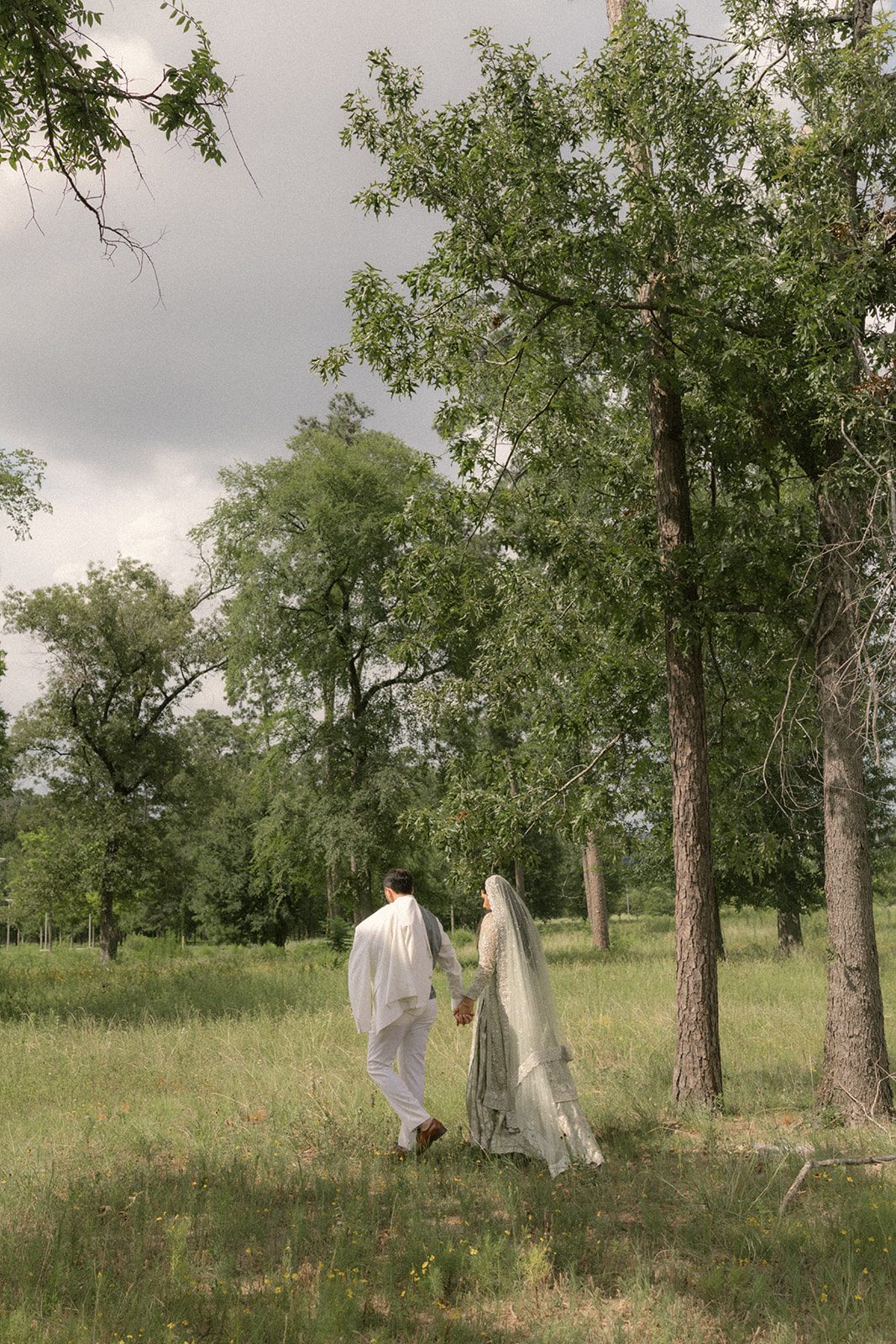
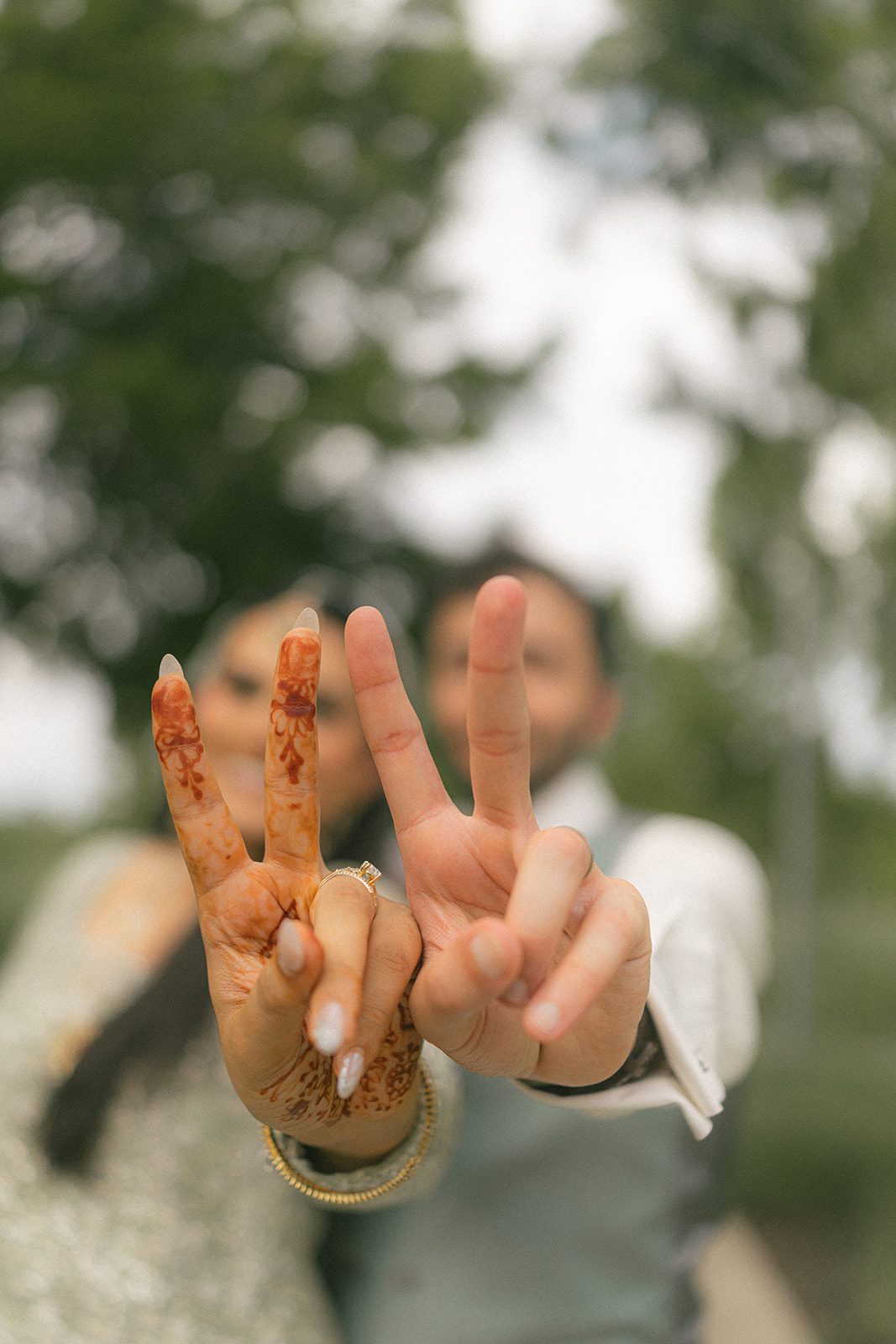
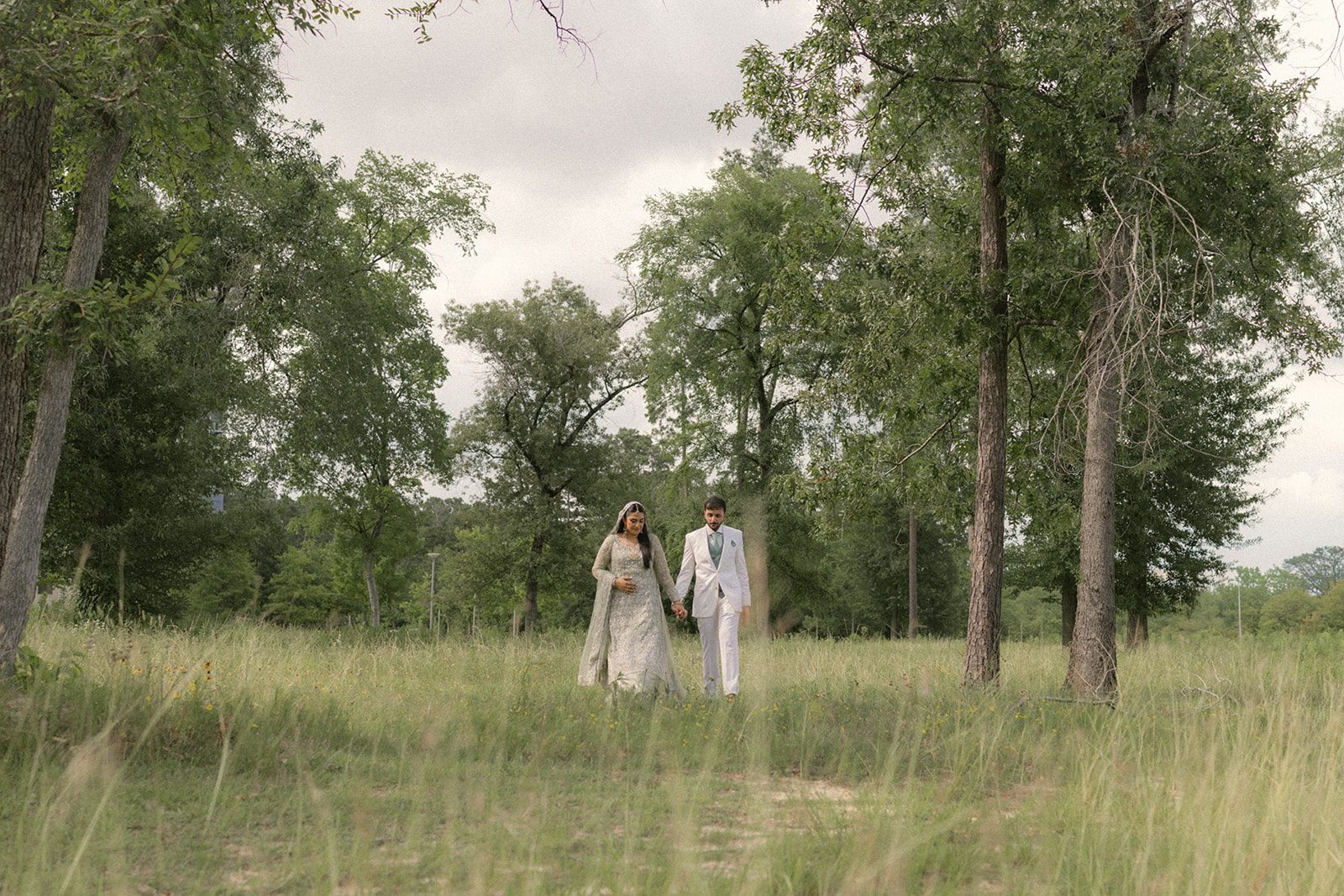
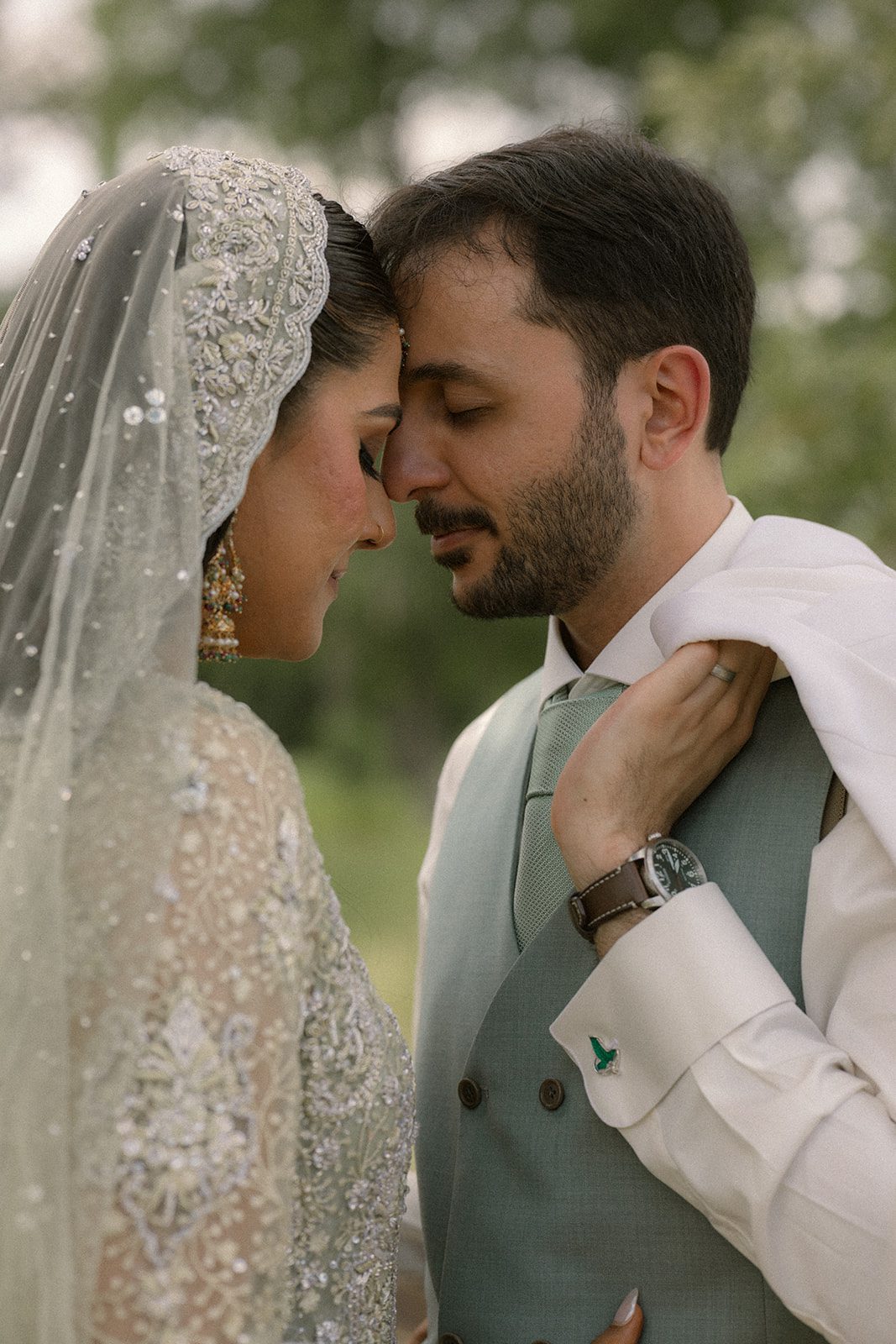
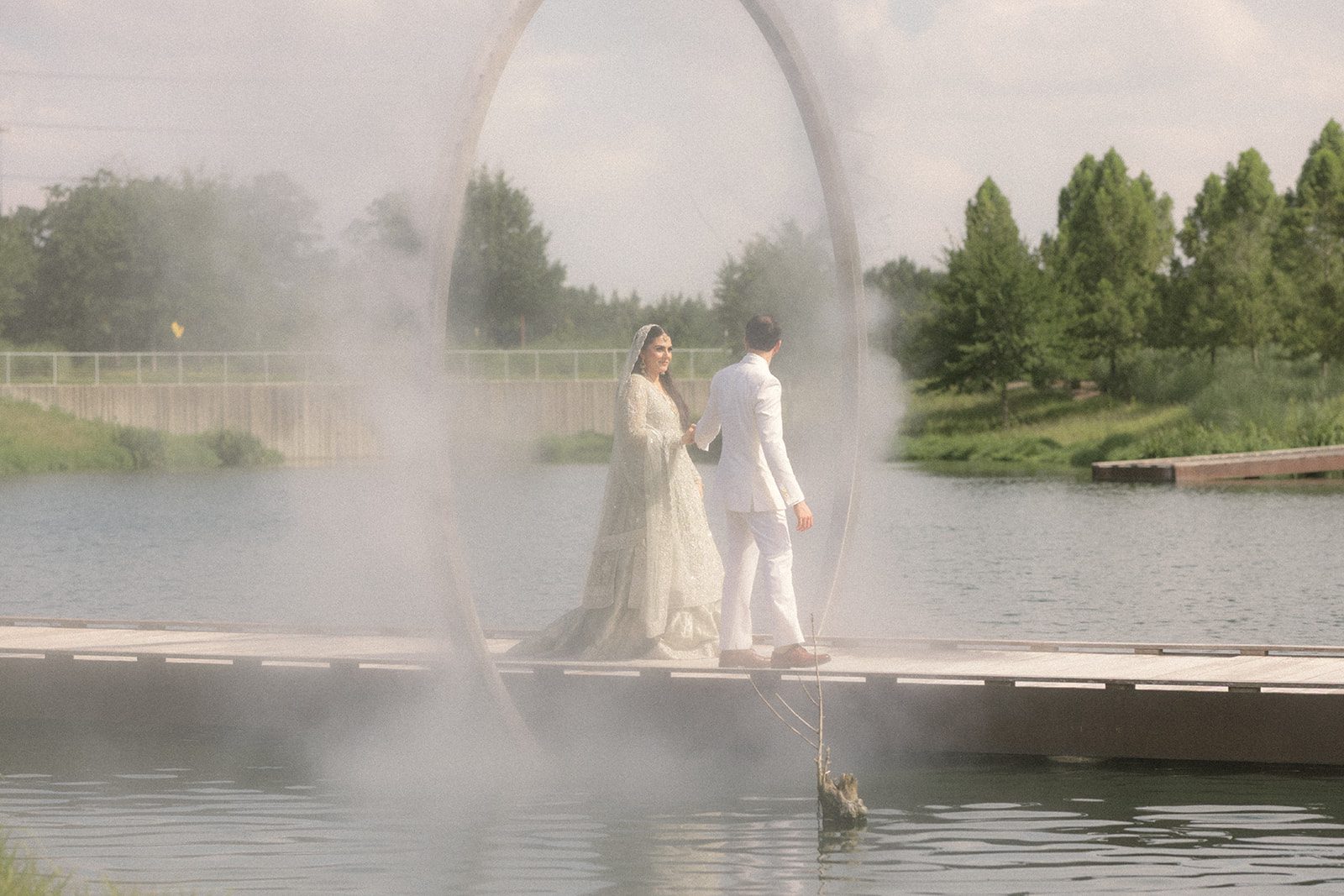
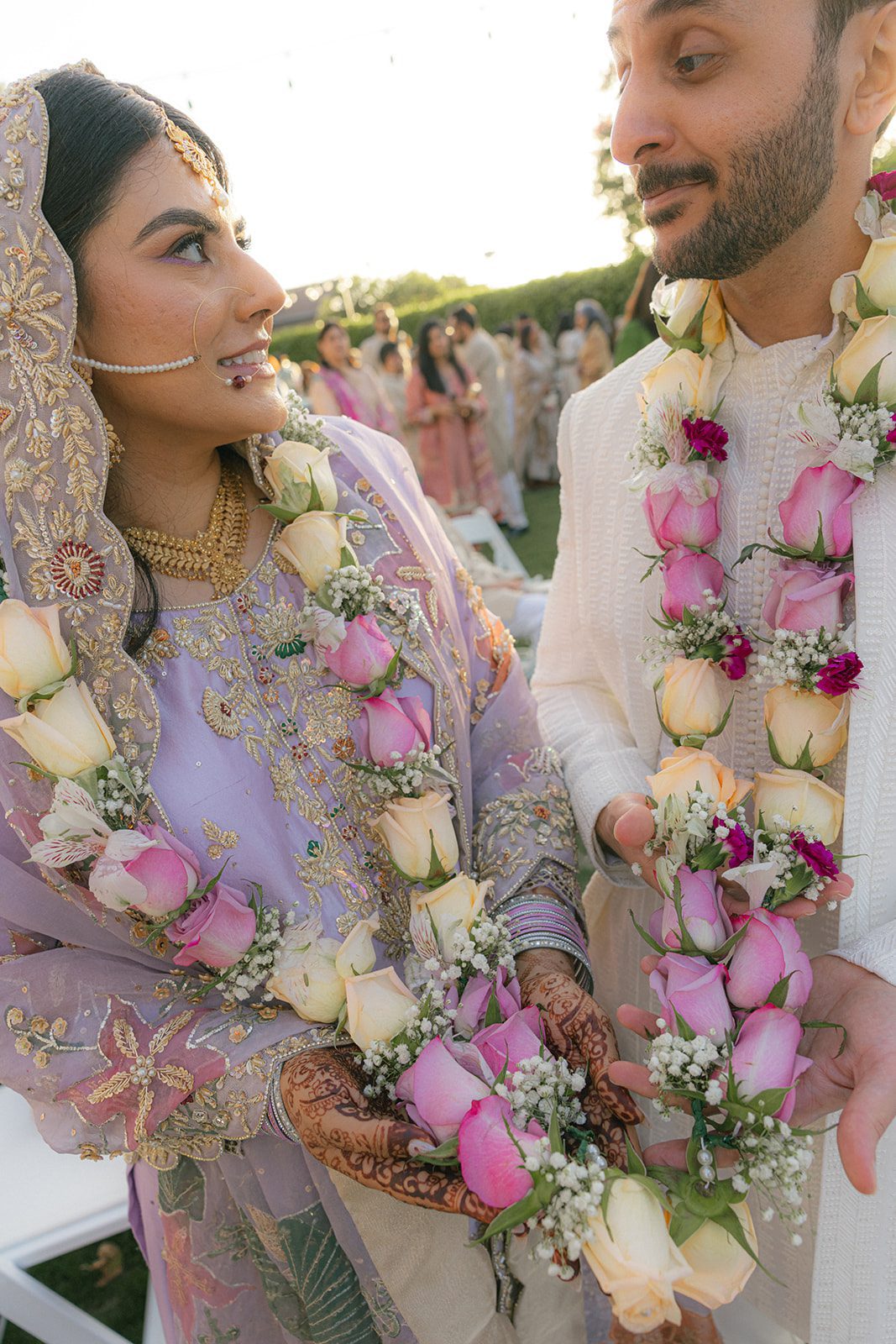
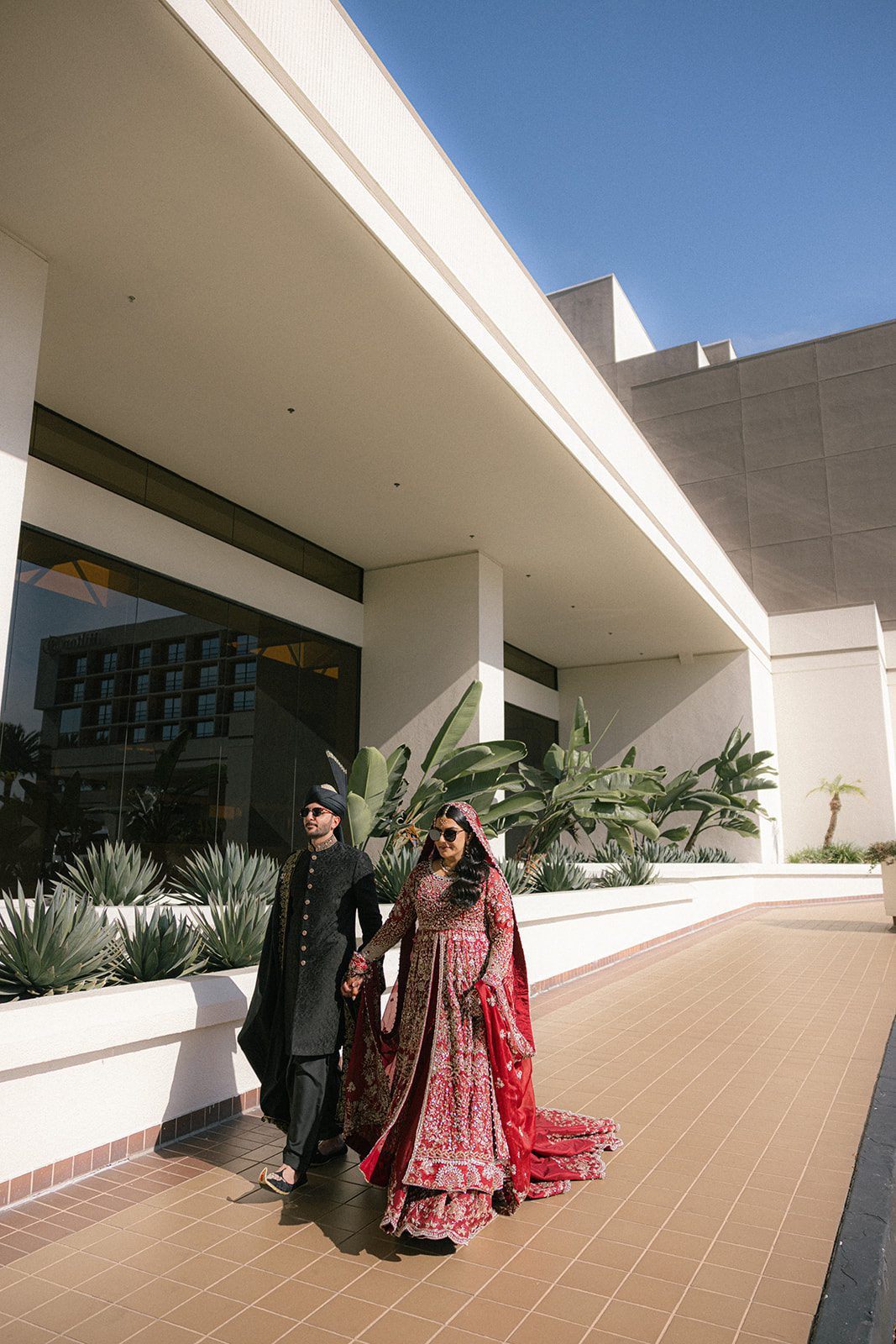
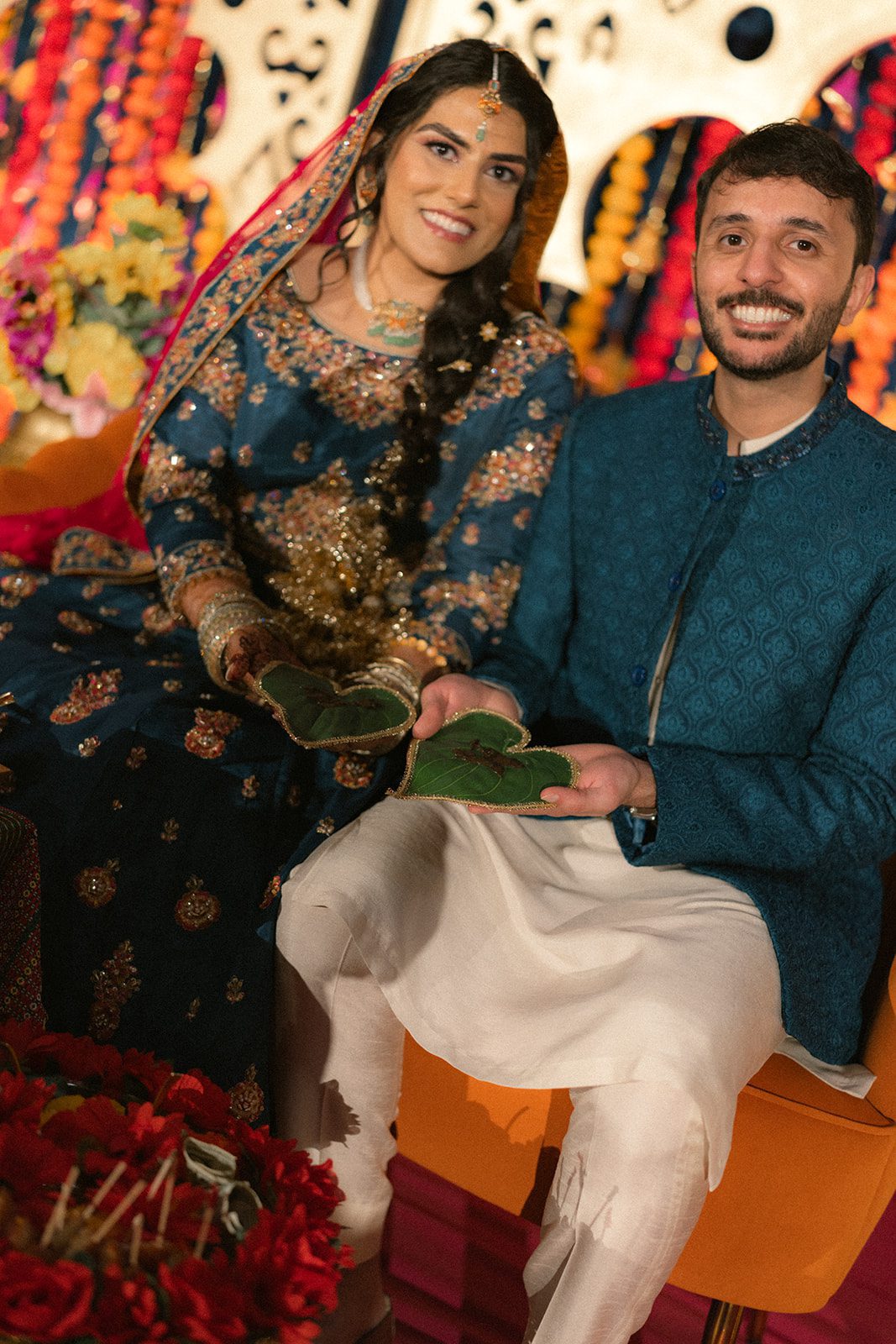
For their Nikkah, they wanted something relaxed, romantic, and intimate, with an emphasis on closeness. The Mehndi was meant to feel candid, vibrant, and fun. For the Shaadi, their vision shifted toward dramatic, cinematic, editorial, and sentimental imagery, while the Walima leaned editorial as well.
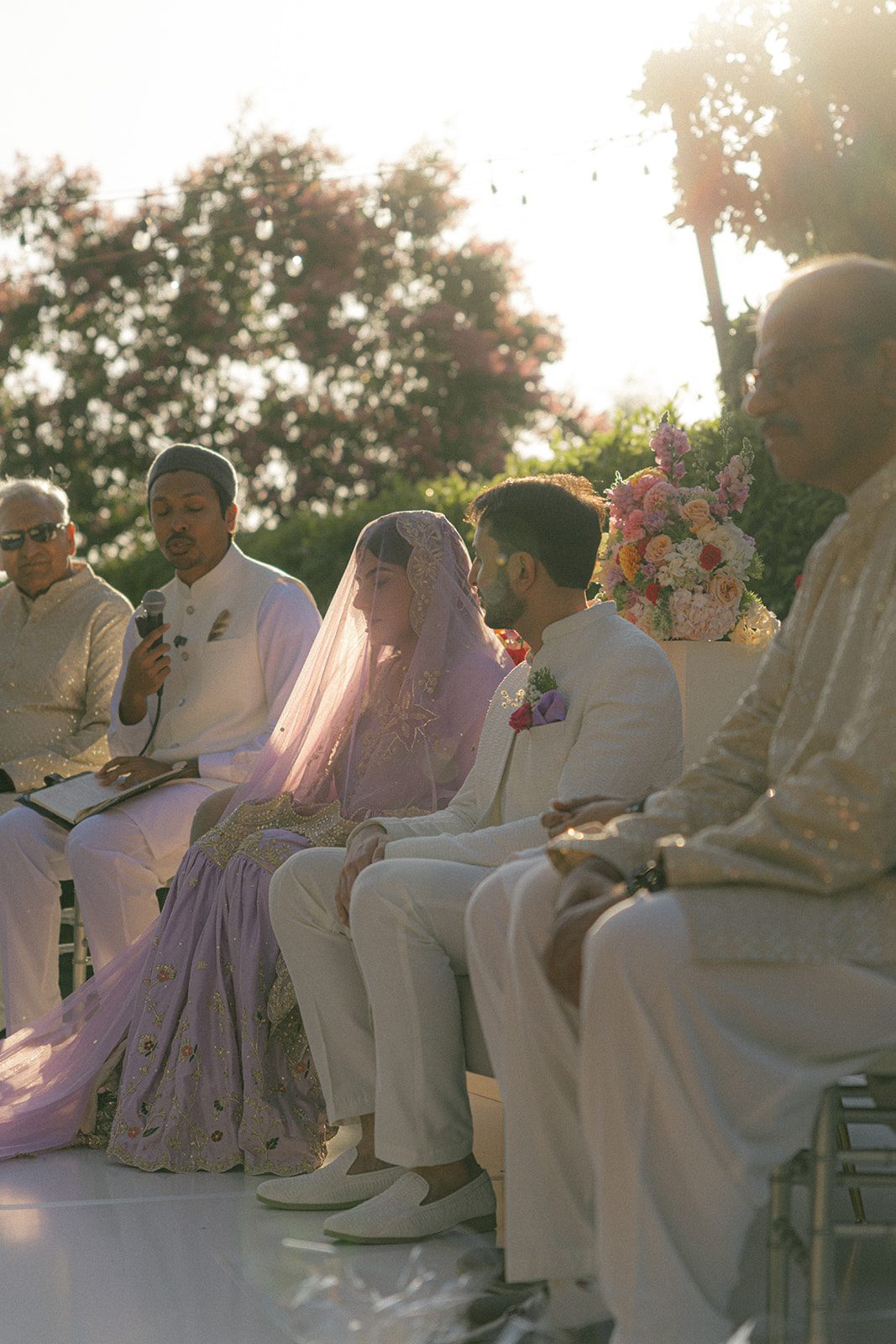
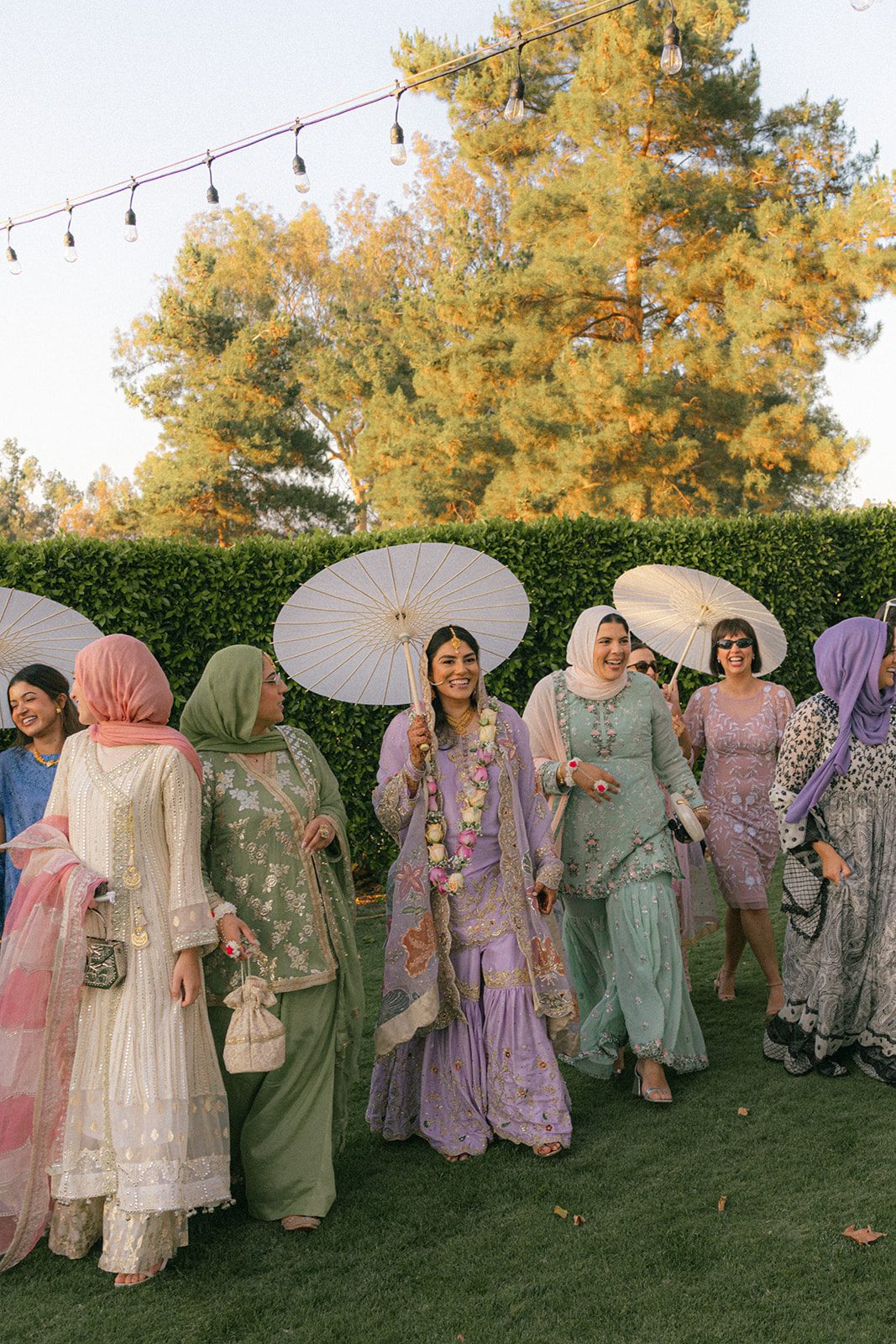
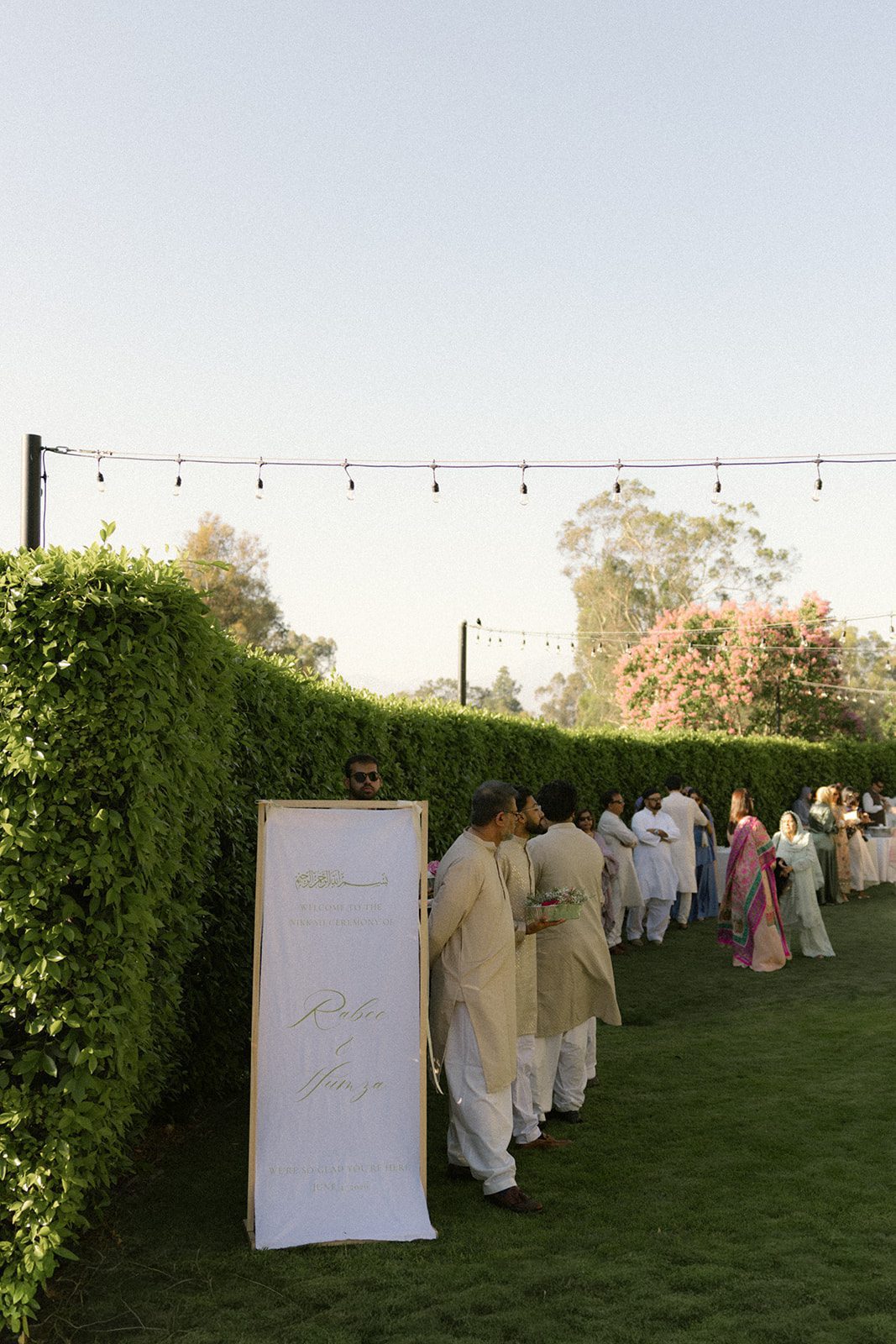
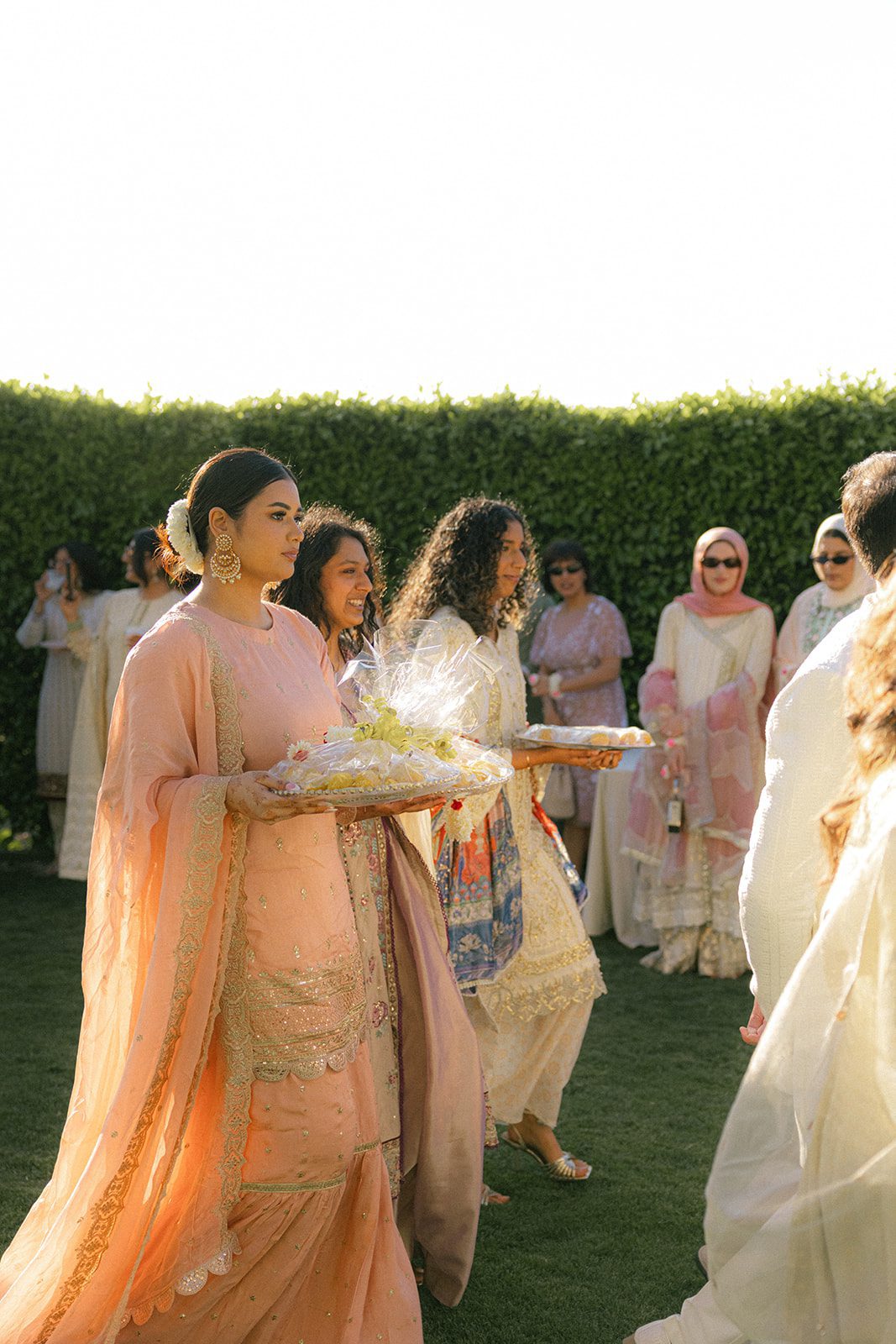
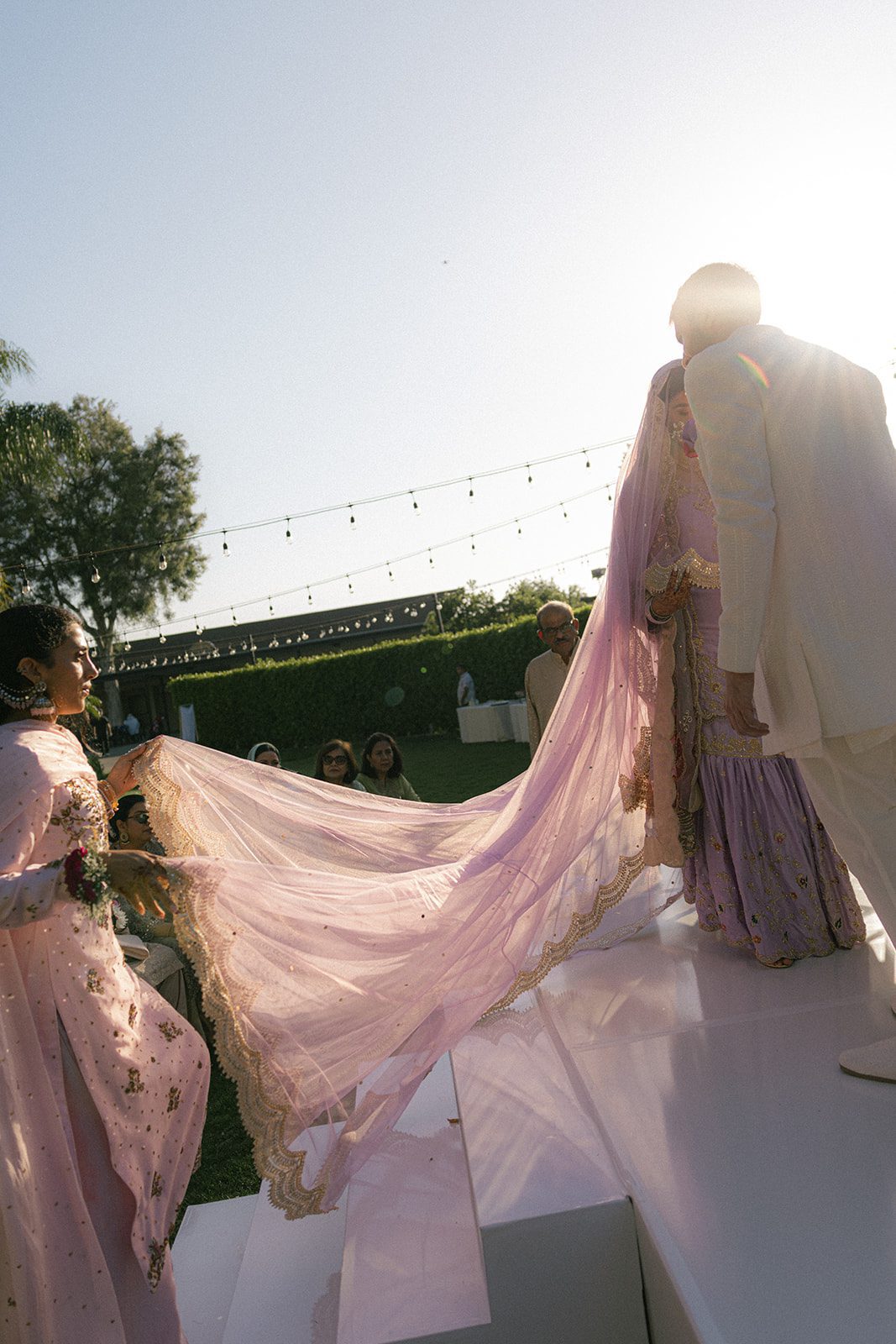
That variety is part of what makes South Asian wedding photography so creatively interesting.
Your photographer should be able to move between those different energies without forcing the same approach onto every event. Sometimes that means hanging back and photographing what naturally unfolds. Other times, it means giving more direction, creating a portrait intentionally, or working with lighting to make something feel a little more editorial. You can definitely have both!
Preparation Is a Huge Part of Indian Wedding Photography
If there is one thing I will never be chill about during a multi-day Indian wedding, it is preparation. Respectfully. There are too many events, timelines, family dynamics, outfit changes, lighting scenarios, and meaningful traditions to just show up and hope for the best. Love optimism, but no.
My process includes questionnaires, pre-wedding timeline calls, and conversations around mood boards before the wedding. With four days of events, there are simply too many moving pieces to figure everything out as we go.
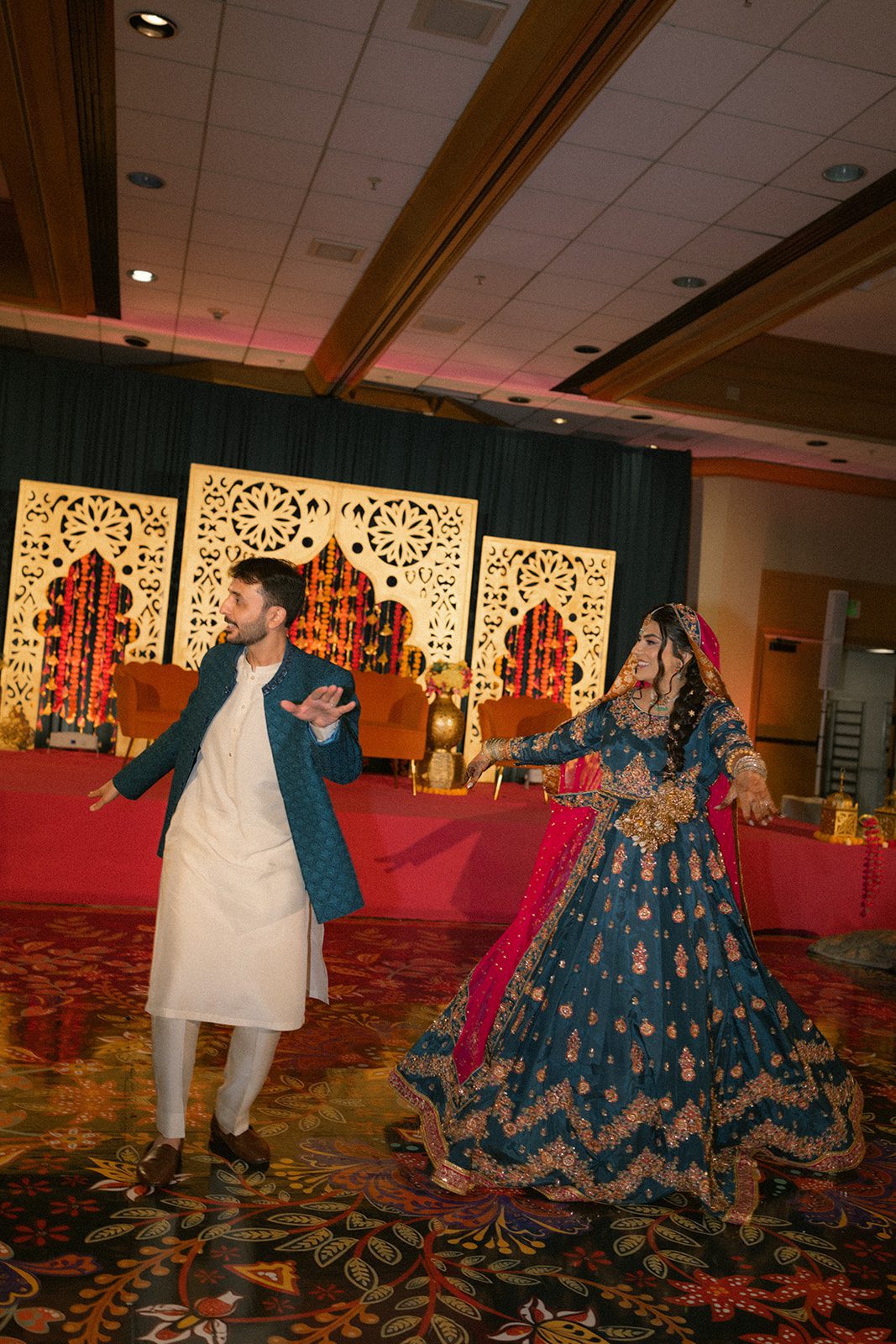
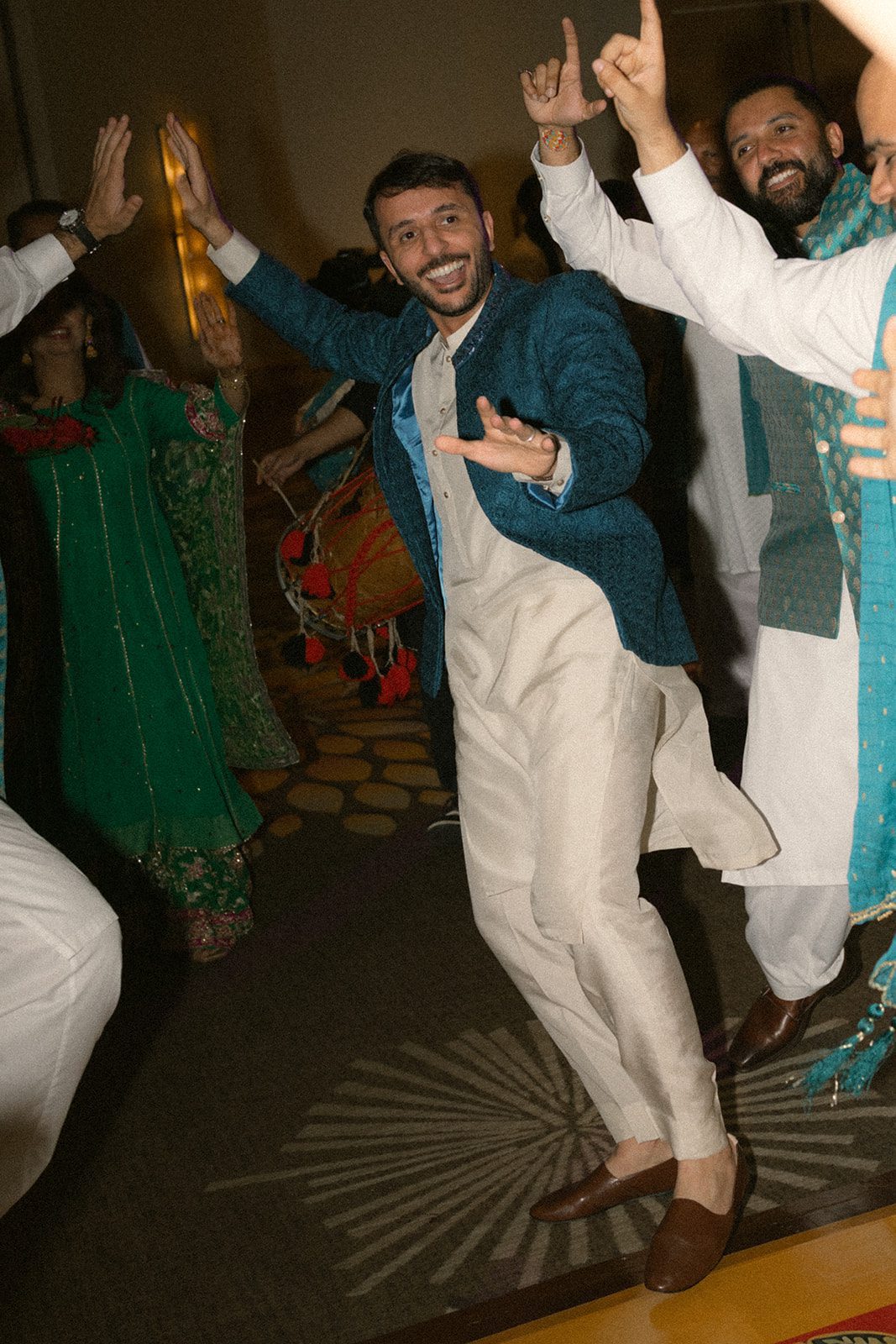
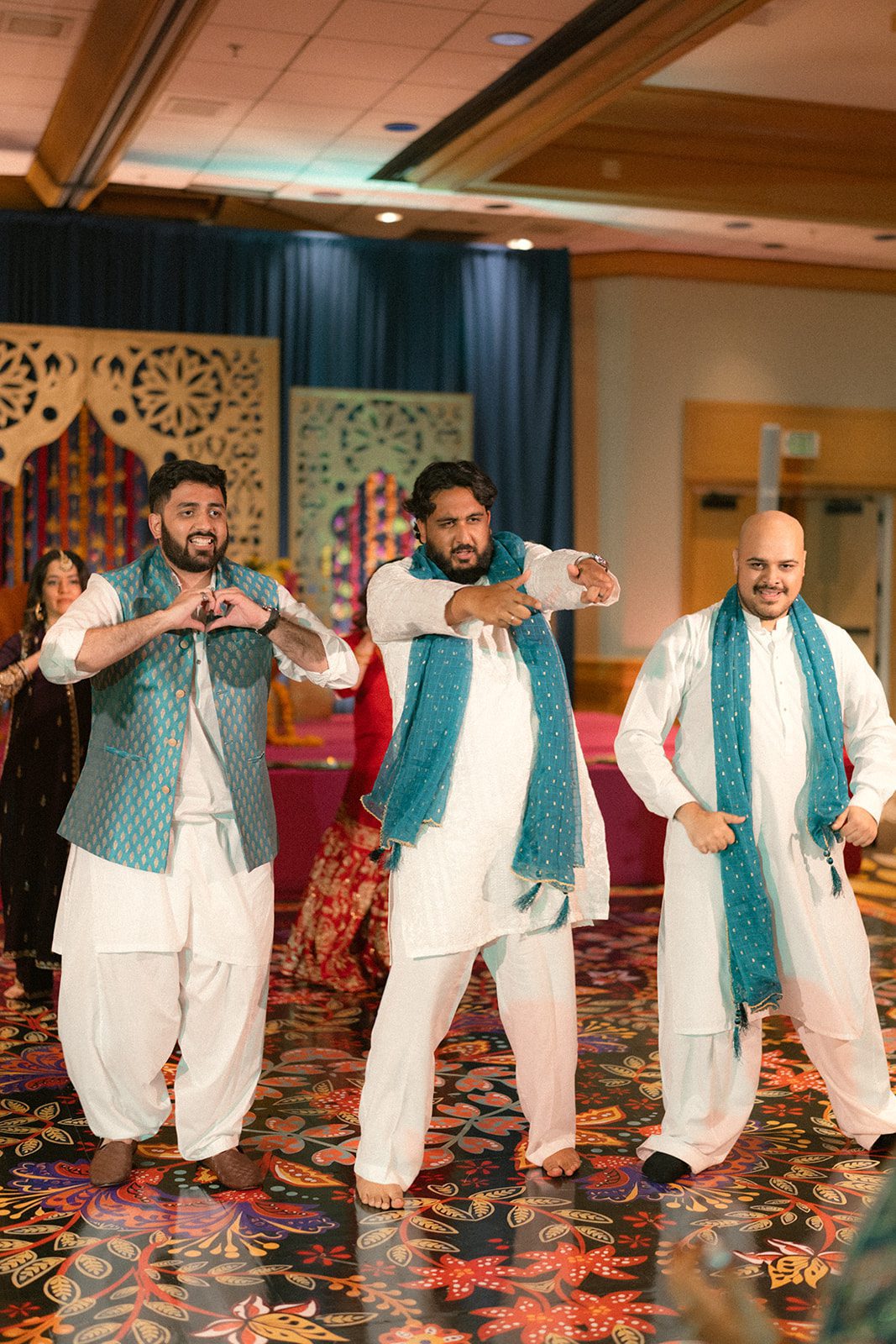
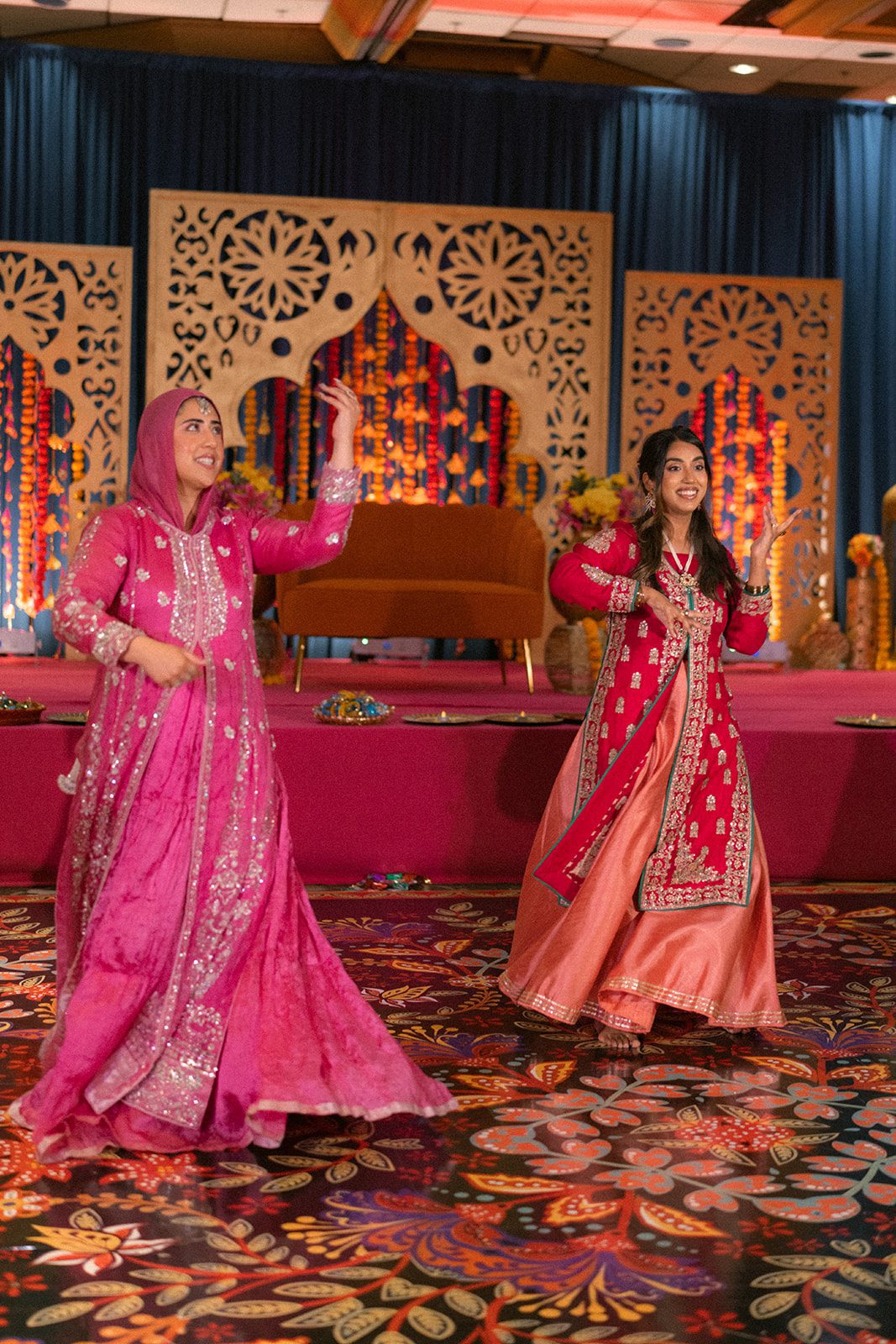
For Rabee and Humza, that preparation included thinking through their timeline, lighting, the photos that mattered most to them, and even a backup weather plan when there was a possibility of rain in Houston. We also talked through their mood board and the overall aesthetic they wanted from their gallery.
That work isn’t necessarily the glamorous part of Indian wedding photography, but it’s what lets the wedding itself feel less overwhelming. And when something inevitably shifts, which, with a large wedding, is not exactly shocking, you aren’t starting from zero.
If you’re looking for a photographer who helps you think through the timeline, mood board, family dynamics, and all the tiny moving pieces before the first event starts, you can read more about my wedding photography experience here.
Your Mood Board, Outfits, and Portraits All Work Together
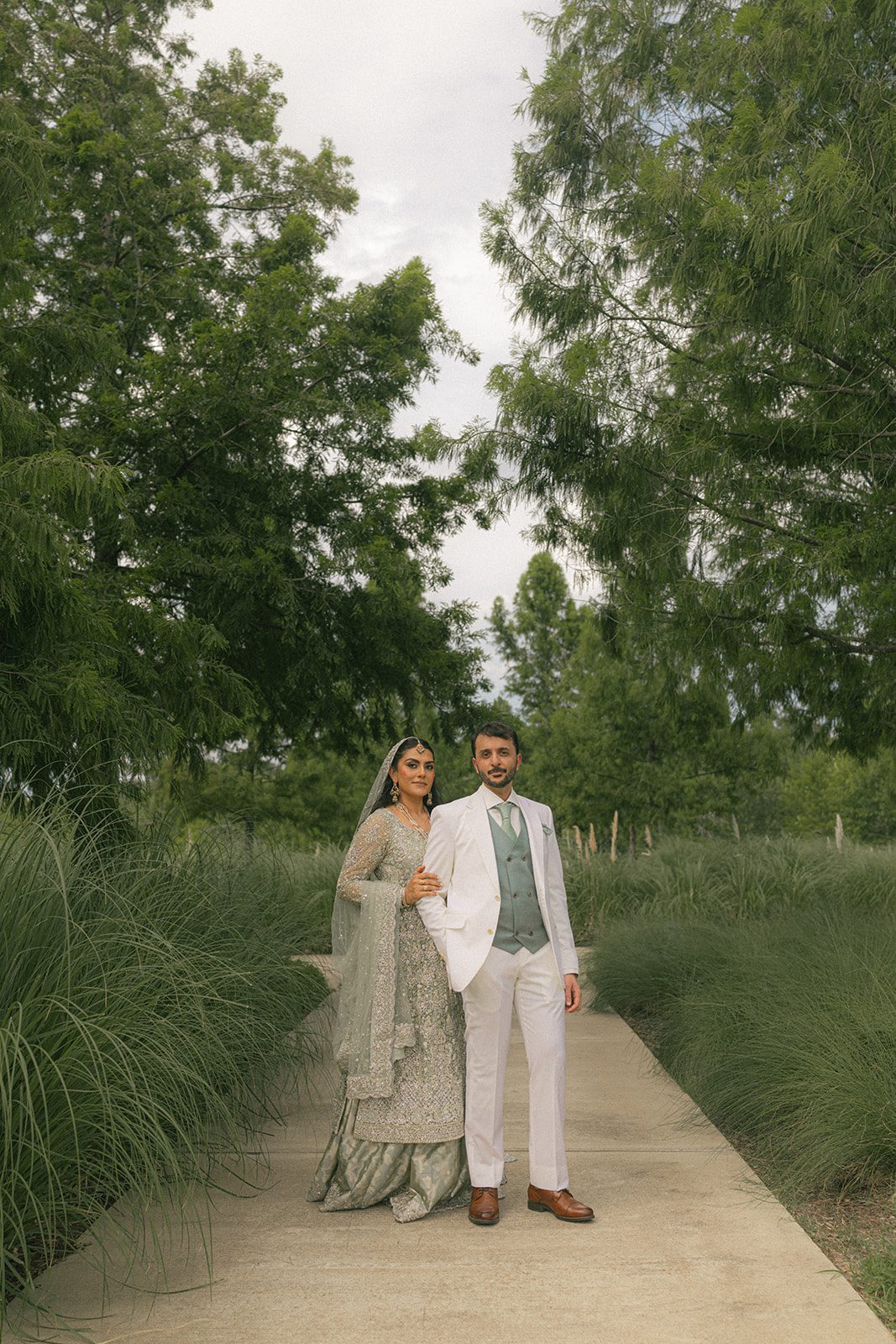
For portraits, I tend to gravitate toward intimate, classic posing, but I also like pulling ideas from what a couple has saved. Rabee and Humza wanted a little bit of everything in terms of direction, and their overall vision included candid photographs alongside more cinematic and editorial portraits.
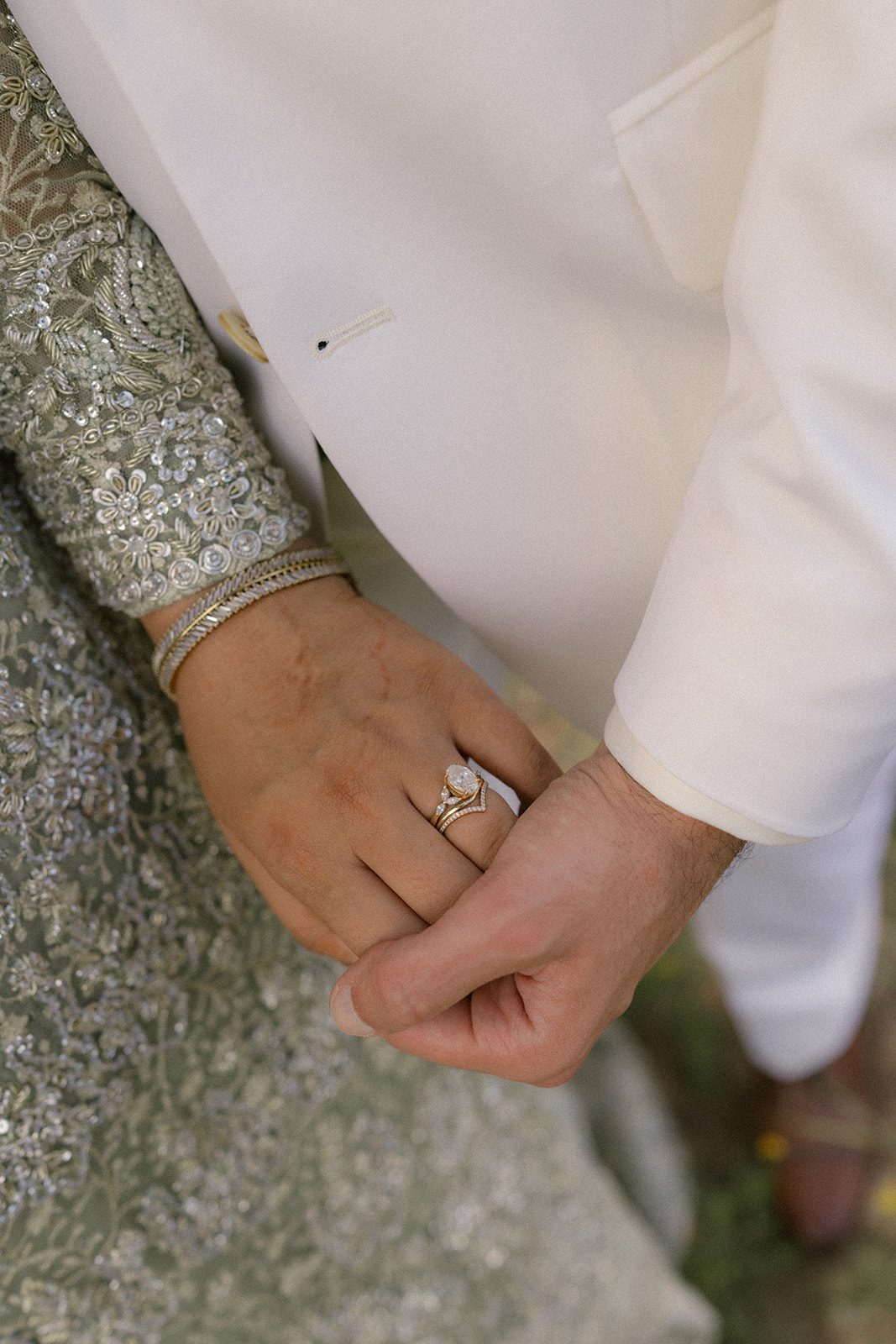
With South Asian weddings, the outfits are not just outfits. They are part of the story. The embroidery, jewelry, dupattas, draping, layers, color, and movement all affect how portraits feel. So no, I’m not going to pose you in a way that hides the outfit you spent months choosing. Tragic.
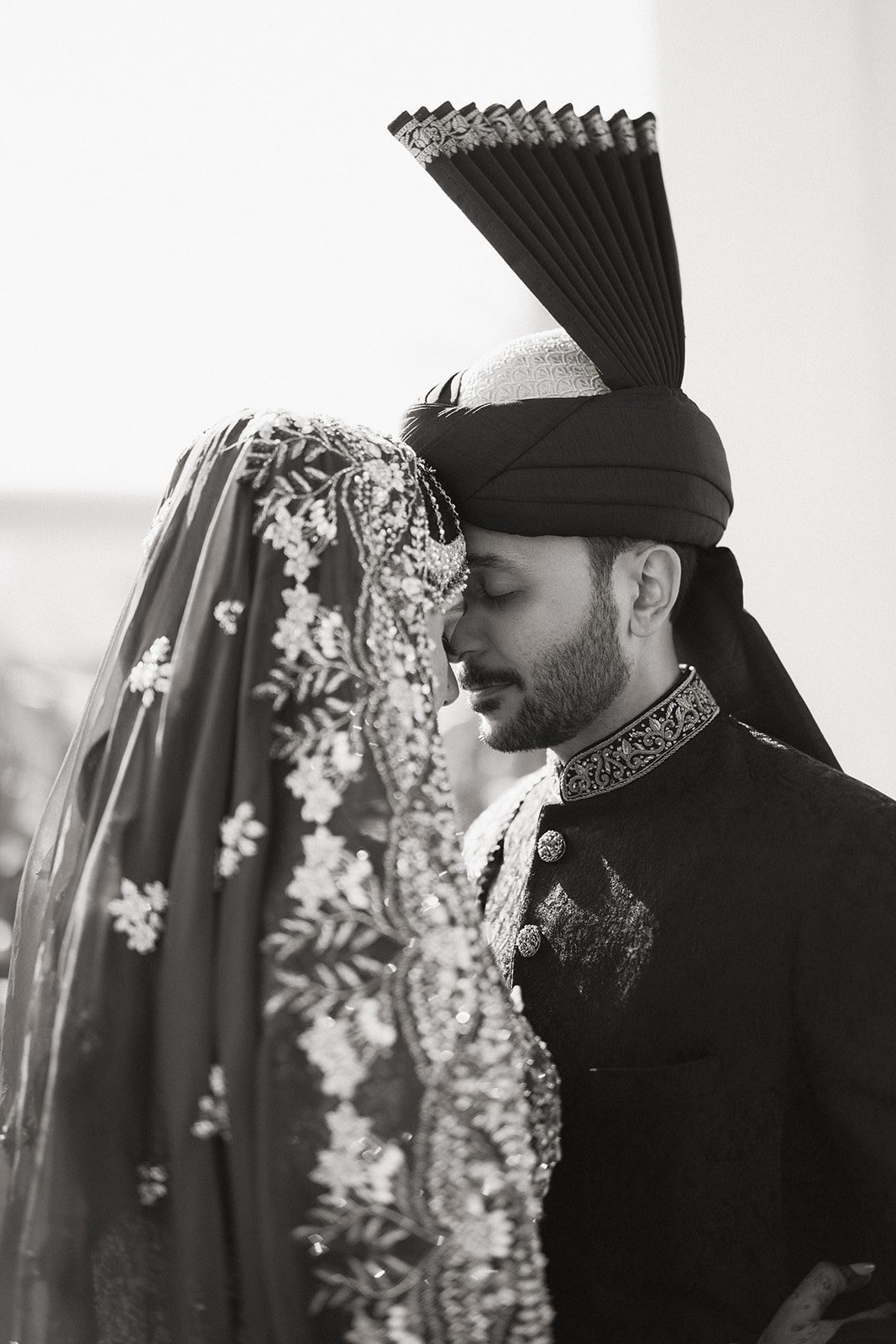
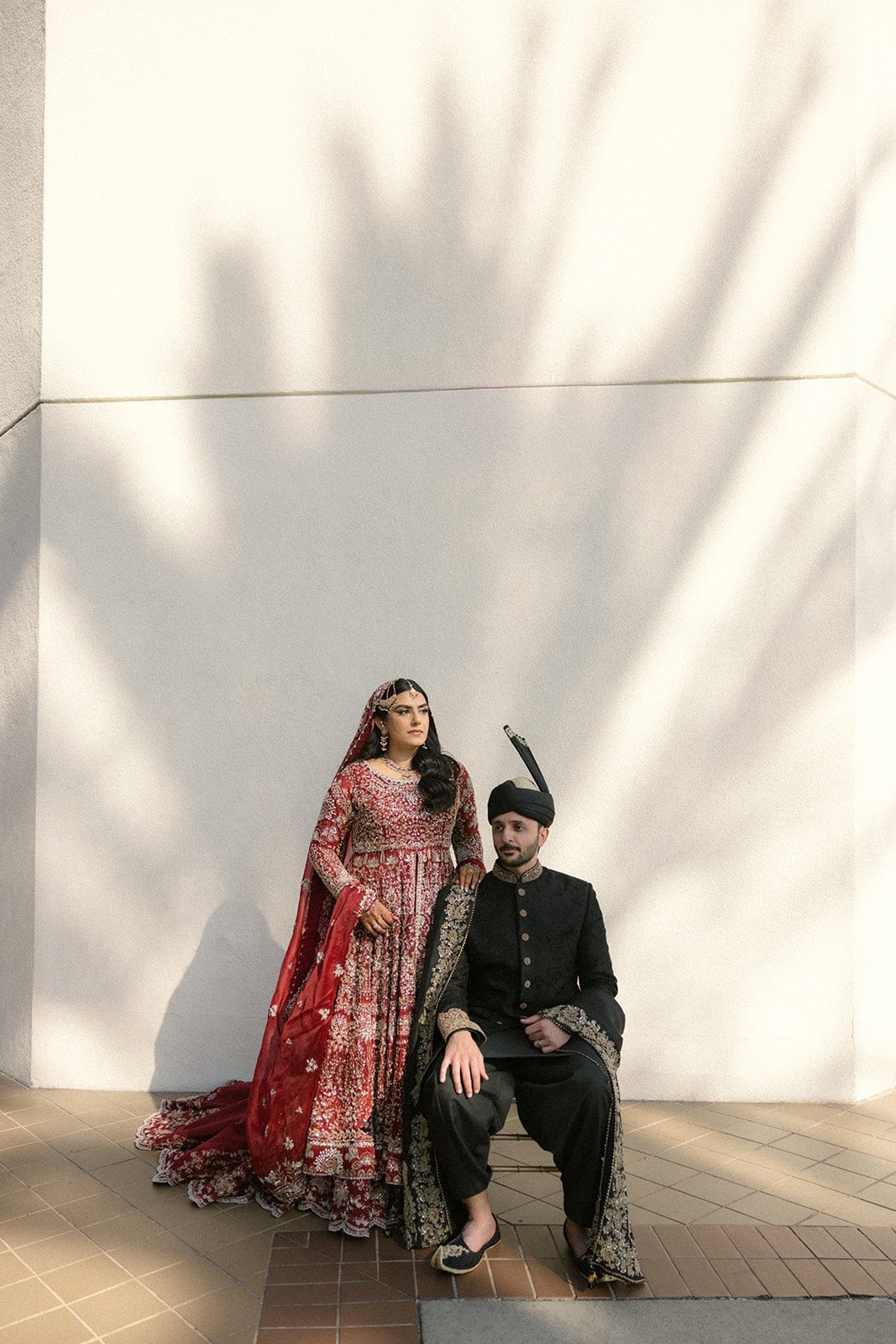
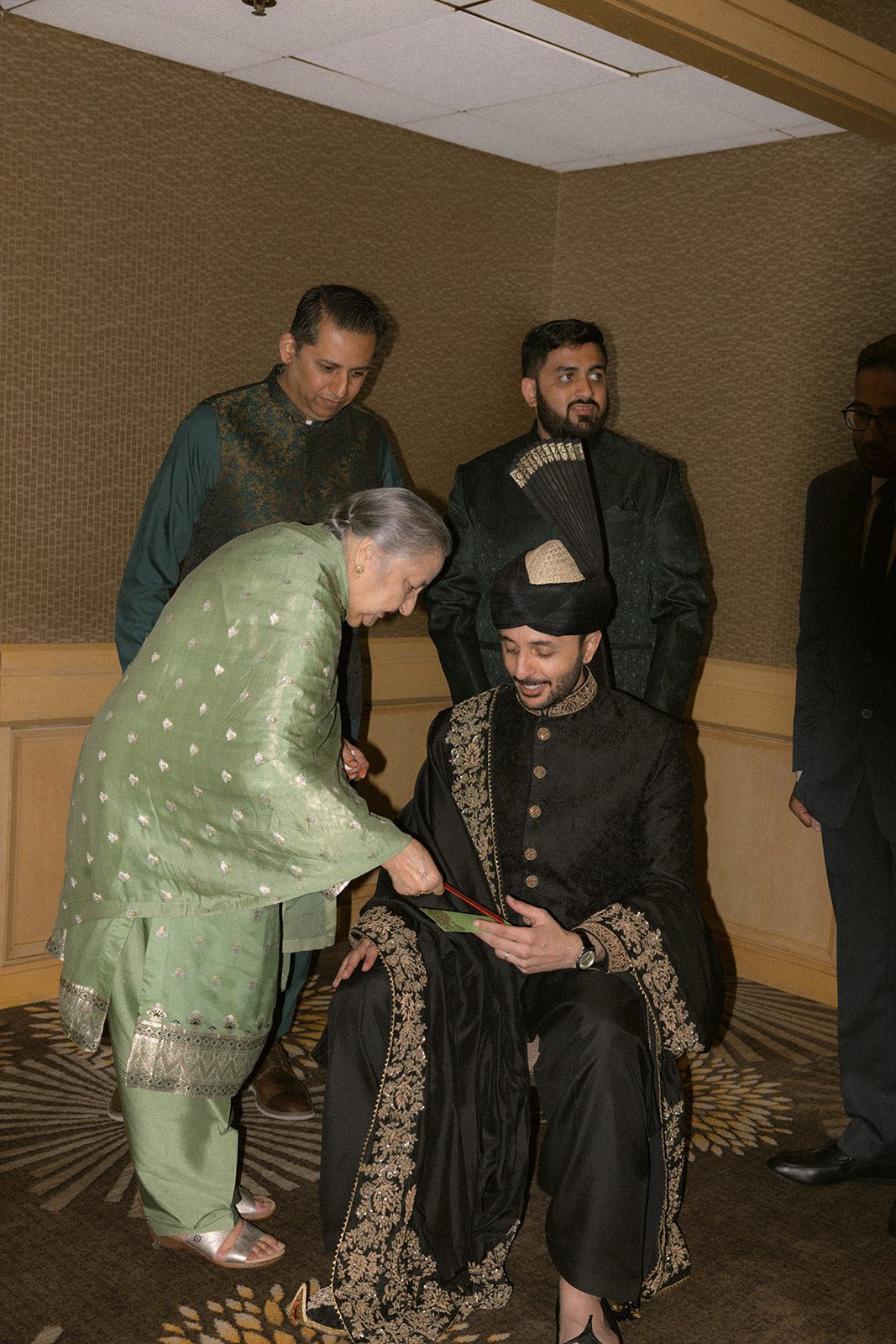
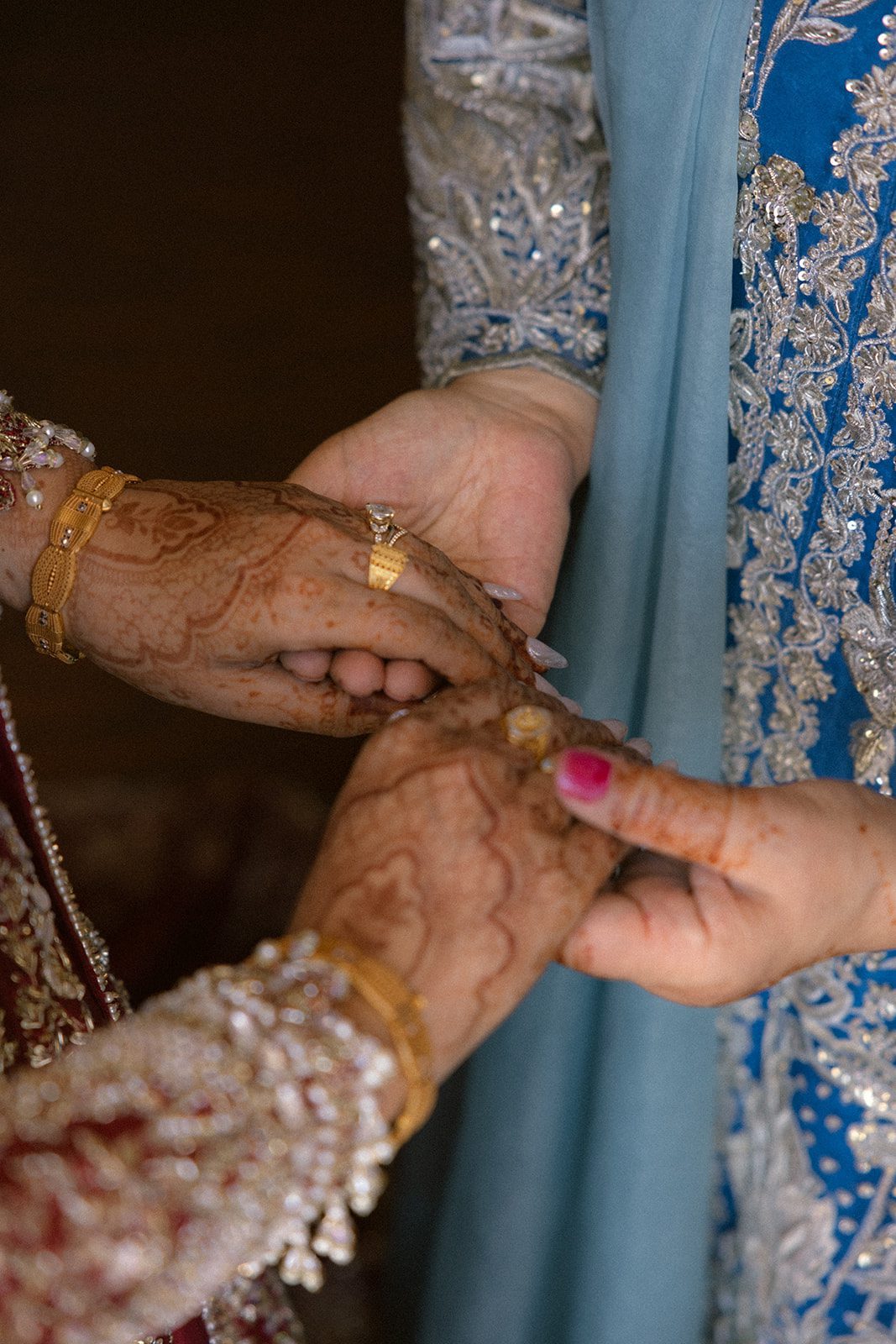
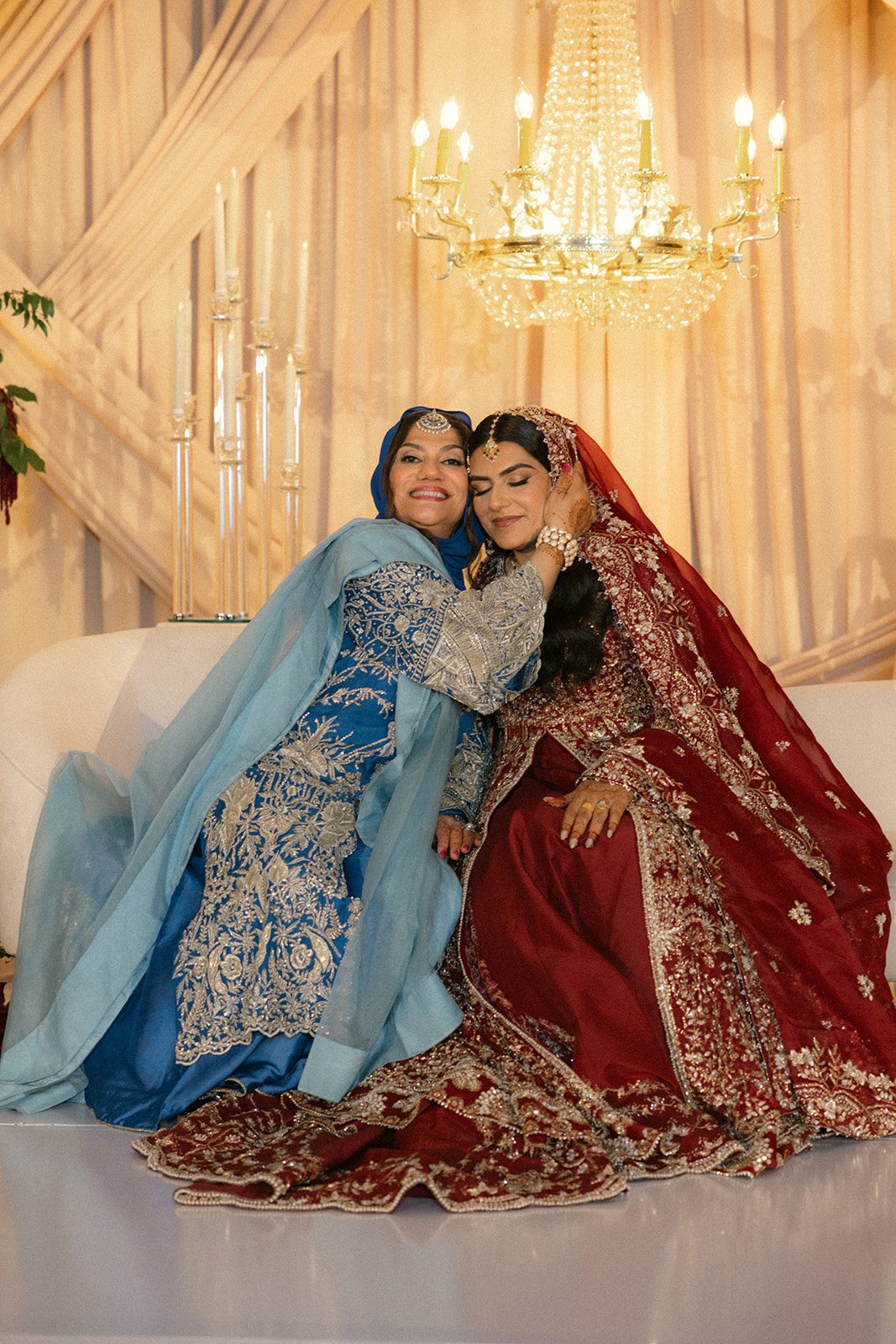
Heavier outfits, layers of fabric, and specific draping can change what feels comfortable and what photographs well. I want the clothing to be seen rather than accidentally hidden by a pose, but I also don’t want the couple twisted into something unnatural just because it technically shows off an outfit. It’s a balance between showcasing all of those beautiful details and making sure you still look and feel like yourselves.
If you’re still choosing outfits, this is also something we can talk through from a photo perspective. Not in a “let me become your stylist overnight” way, but in terms of movement, comfort, color, layers, and what you most want documented.
A Good Indian Wedding Photographer Knows What Not to Photograph, Too
Being prepared for cultural and religious traditions isn’t just about having a list of moments you need to capture. It’s also about knowing when not to photograph.
Before their wedding, Rabee and Humza let me know that entrances, speeches, and the rukhsati were moments where timing would be especially important. They also specifically requested that I not photograph people praying in the prayer space. I think this is one of the reasons pre-wedding communication matters so much.
No photographer should assume that every Indian or South Asian wedding follows the same traditions, or that every family wants those traditions documented in the same way. I’d rather ask. Understanding what matters to your family, what deserves extra attention, and what you’d prefer to keep private helps me photograph the celebration much more intentionally. You can also see how I photographed Kavya and Sreekar’s South Asian wedding at Conservatory One Sansome here, where the traditions, pacing, and priorities were completely different.
Even within Indian and South Asian weddings, no two families approach traditions the same way, which is why I never want to assume. I want to ask better questions.
Making a Large South Asian Wedding Still Feel Intimate
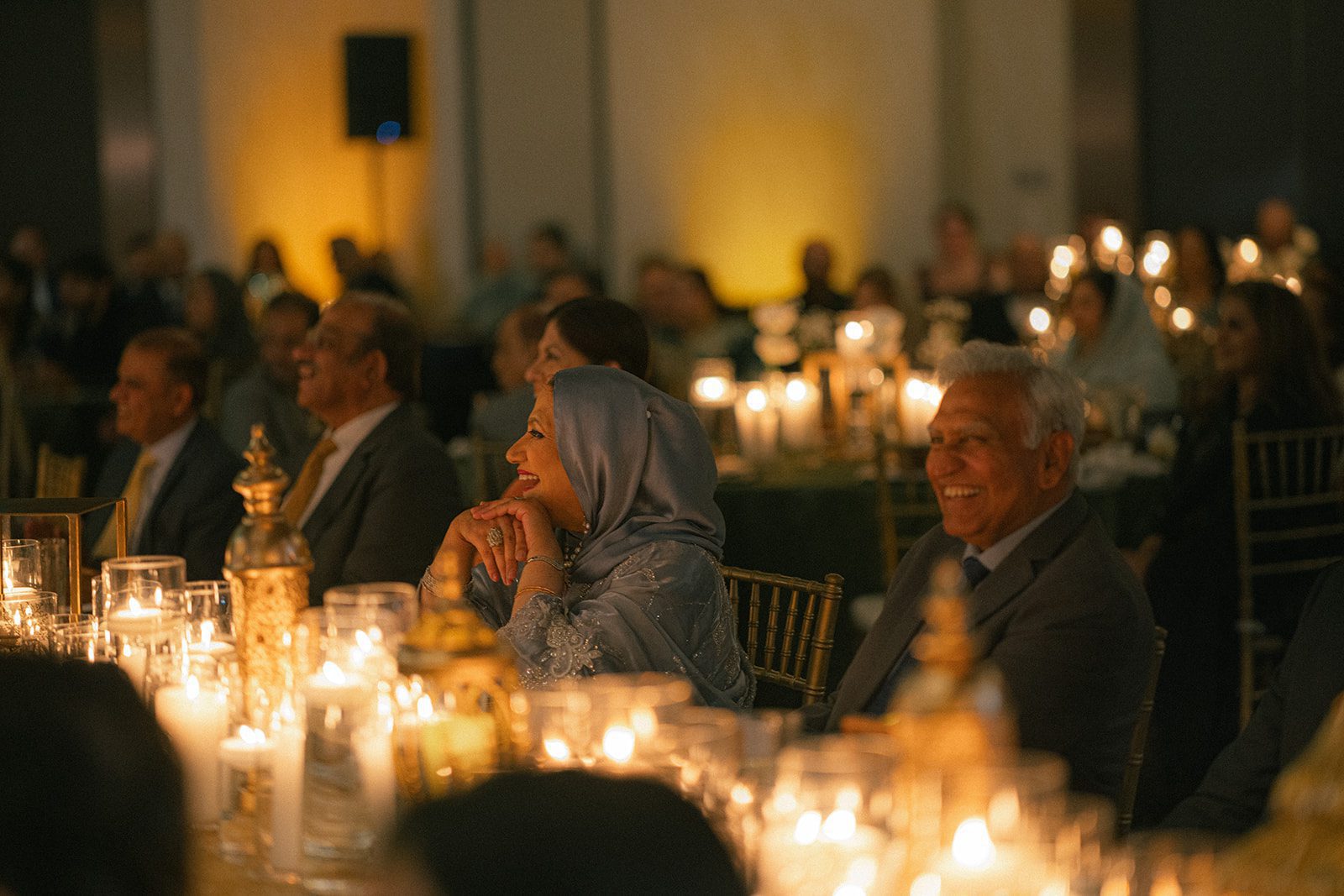
One of my favorite things about Rabee and Humza’s wedding was how intimate it felt even with almost 250 people. They’re both pretty laid-back and quiet, and throughout the four days, it was obvious how important family was to them. They found so many ways to highlight and honor the people closest to them. It was seriously so special. That feeling carried into how we approached portraits, too.
They wanted their portrait sessions to stay mostly private, and we planned for opportunities like sunset portraits and flash photography. Those quieter pockets of the day matter, especially when you’re surrounded by hundreds of guests for most of your celebration! A big wedding doesn’t need to look big in every photograph.
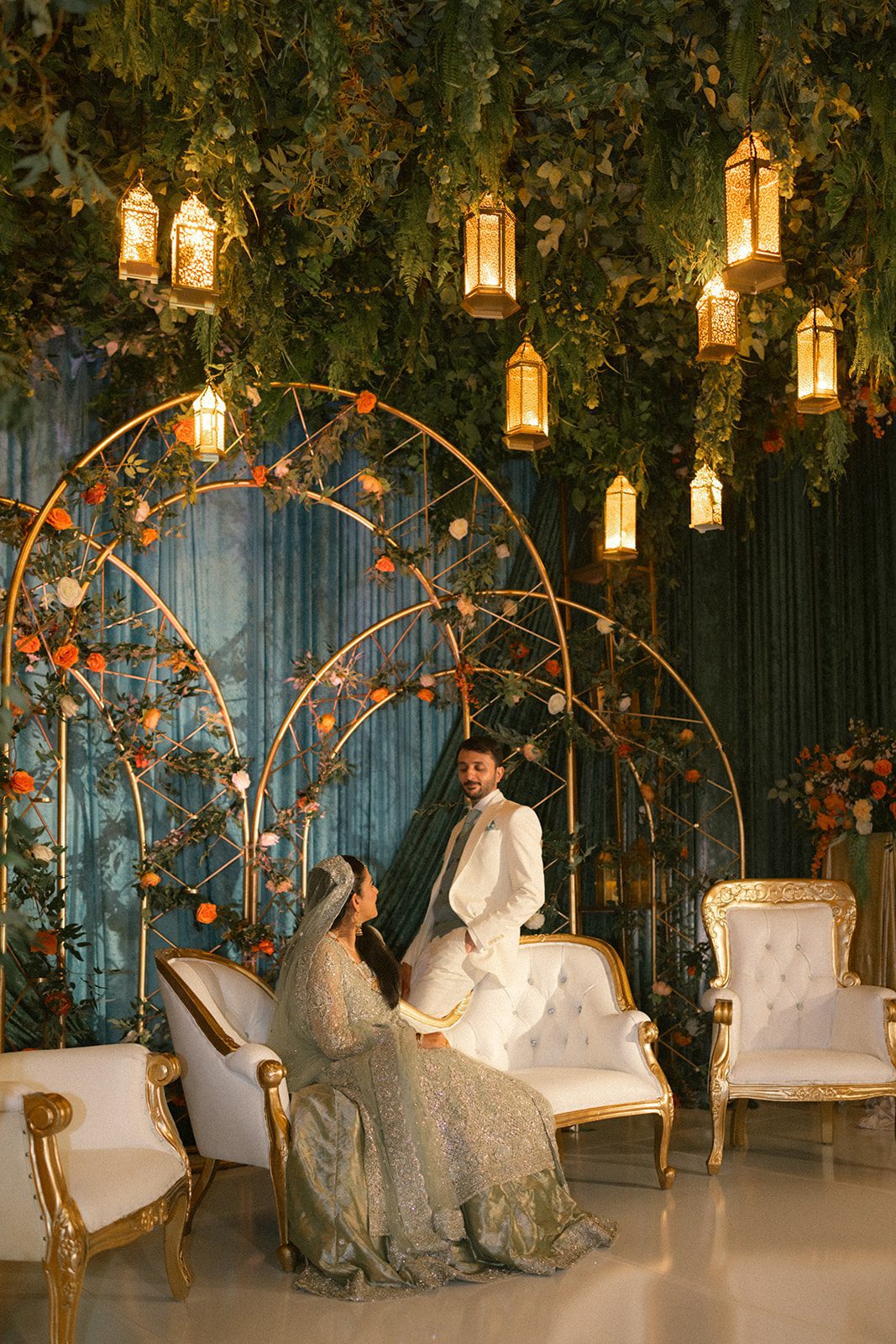
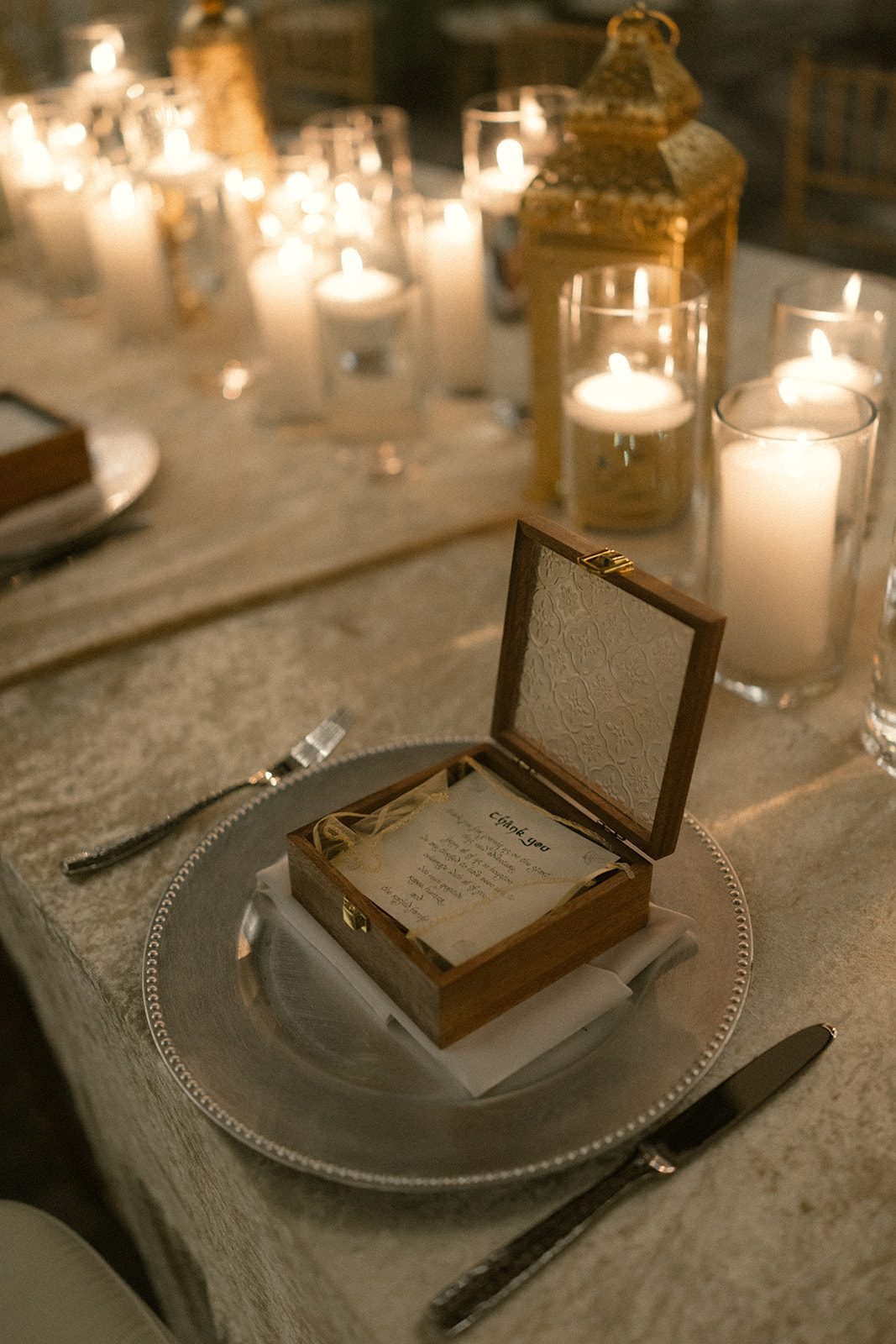
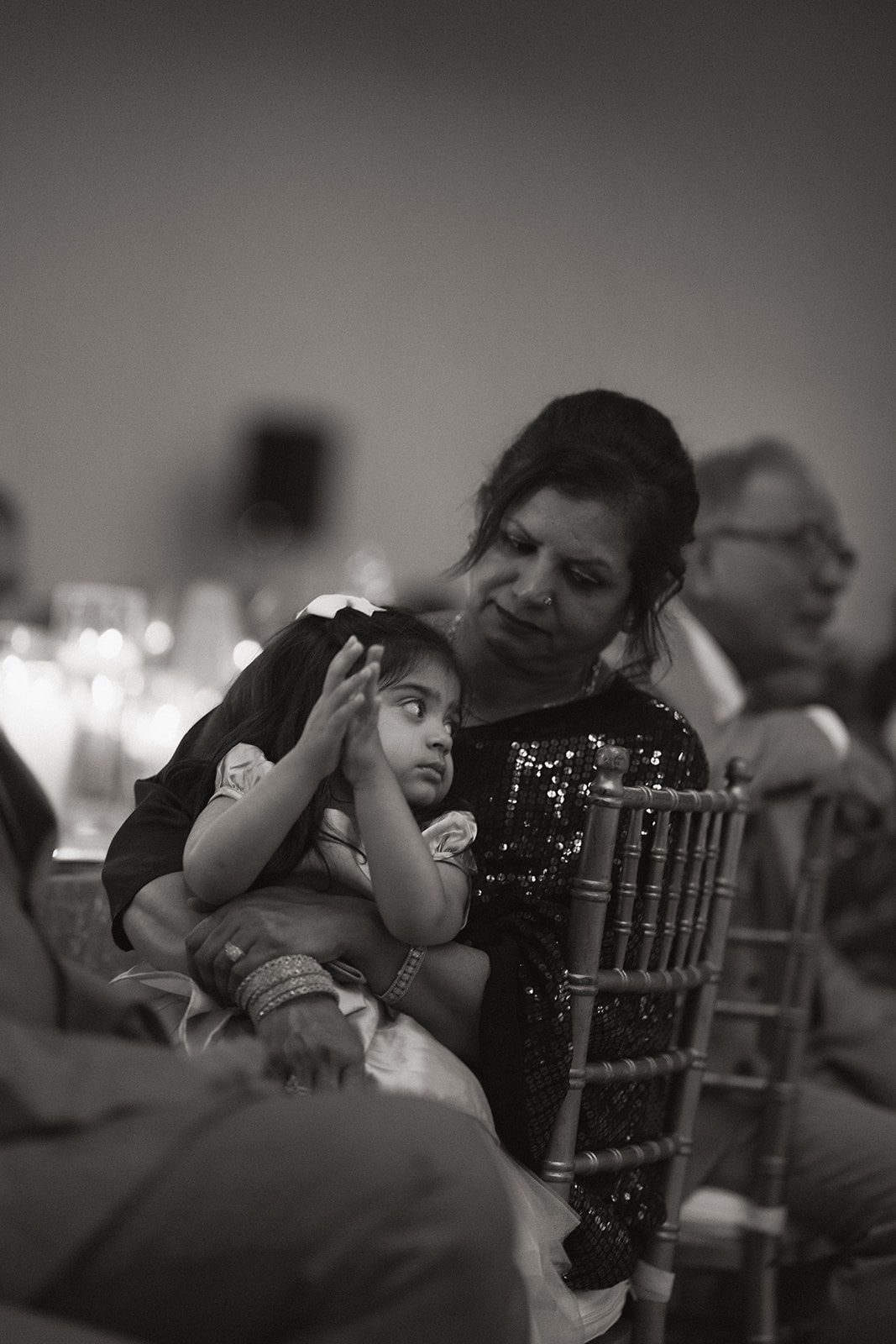
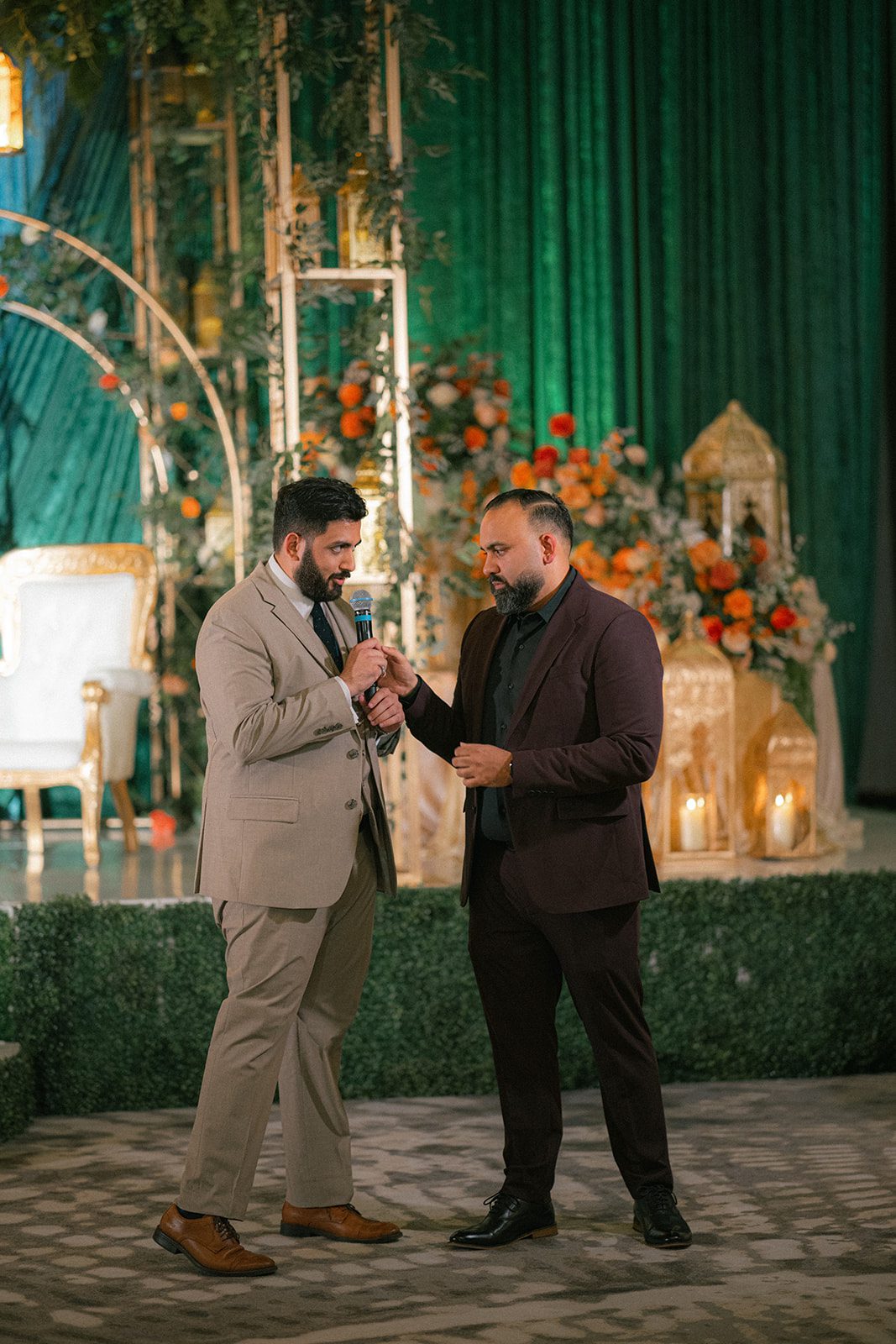
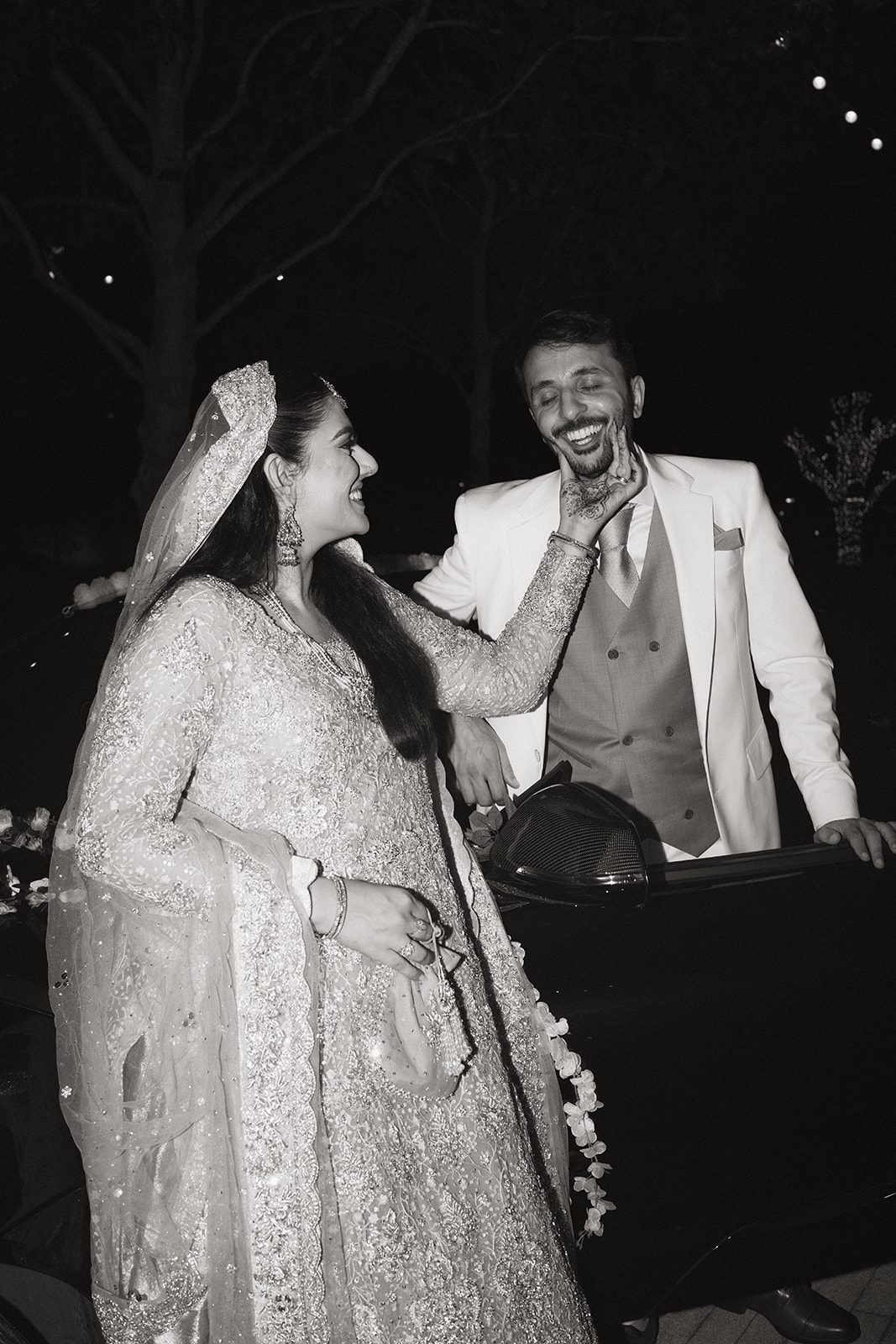
Some of my favorite images from larger celebrations are about finding the smaller scenes inside them: the couple together, the family relationships, and the moments where everything happening around them briefly becomes background noise.
As someone who had a big Indian wedding myself, I know how quickly the day can become a blur of rituals, family, timelines, and everyone lovingly needing you somewhere. That is part of why I care so much about building in space for connection before the weekend starts moving at full speed.
What Should You Look for When Choosing an Indian Wedding Photographer?
When you’re looking through portfolios, pay attention to the photographs you’re naturally drawn toward. But I would also ask what happens before the wedding.
How does your photographer prepare for multiple events? Do they ask about your family and traditions? Will they talk through your mood board with you? Can they adapt between candid and editorial photography? Do they understand how your outfits might affect portraits? What happens if the timeline changes or the weather decides it has its own plans? And, importantly, do you feel comfortable with them?
Planning a Multi-day Indian Wedding?
After receiving their gallery, Rabee and Humza told me that looking through the photographs allowed them to relive the celebration and that I had helped them feel comfortable while capturing their vision. And really, that’s the balance I’m always looking for.
When you are planning a multi-day Indian wedding, you should have an Indian wedding photographer that can handle the logistics and the hustle happening around you without making your photographs feel like logistics. If that is the experience you are looking for, I think we’d be a great fit! Reach out to me here, and let’s talk about your wedding and how you want it to be captured.
Wedding Vendors
Coordinator – Aliza
Venue – Kristin Glenn – Marriott CityPlace
Decor – Evermore
Catering – Tempura
DJ – Sage Productions
Photographer – Photos by Anusha (California-based)
Videographer – Reel Initiative (California-based)


Comments +