The Conservatory at One Sansome was such a beautiful setting for this San Francisco Telugu wedding, but what I loved most was the contrast. A modern, polished San Francisco venue filled with color, tradition, family, florals, movement, and all the very real logistics that come with a full South Asian wedding day.
And as someone who is Telugu myself, I don’t look at a wedding like this as just a pretty event to photograph. I’m noticing the ceremony moments, the family dynamics, the pacing, the room flips, the aunties who somehow know everything happening before anyone else does, and the tiny windows where the couple actually gets to breathe.
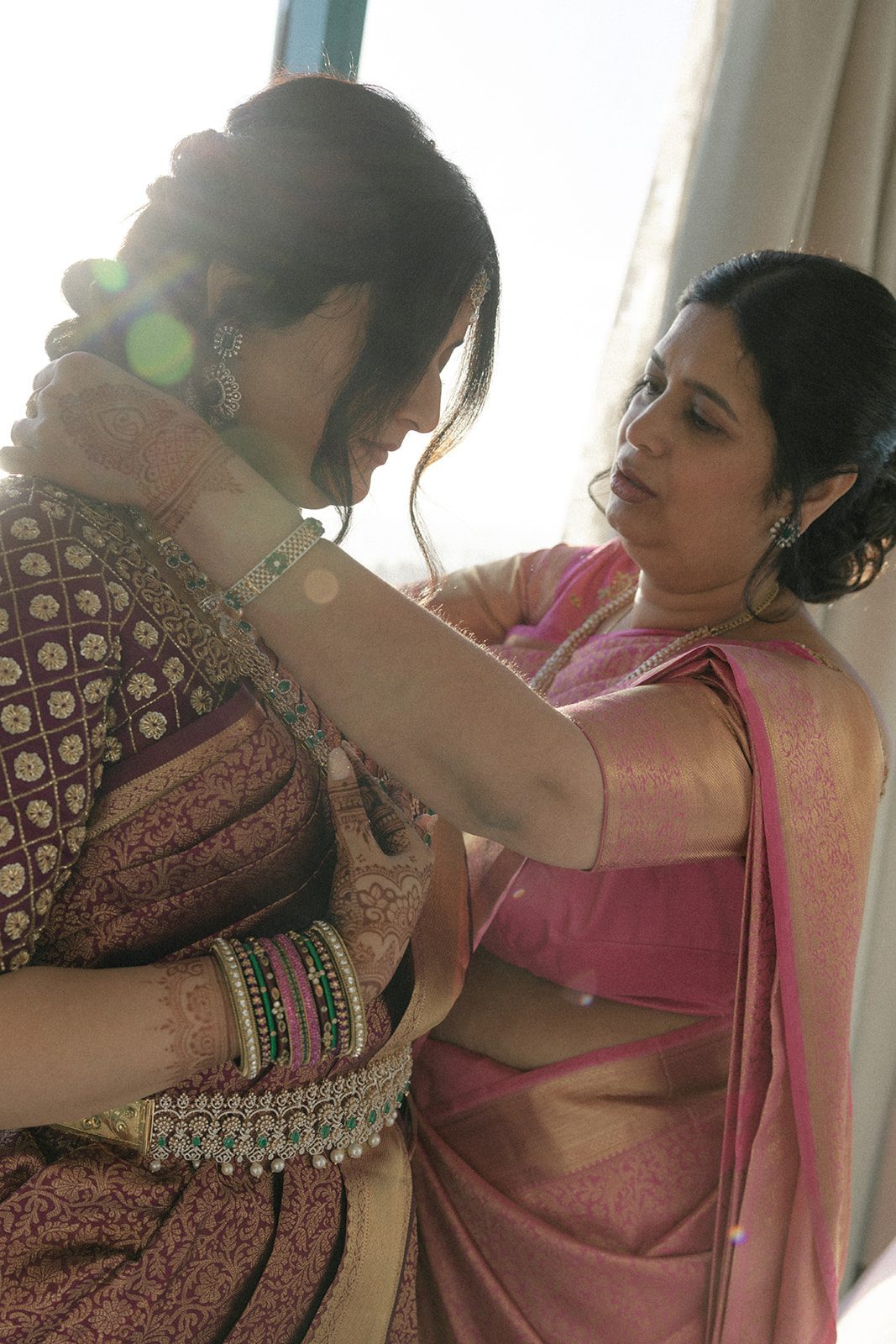
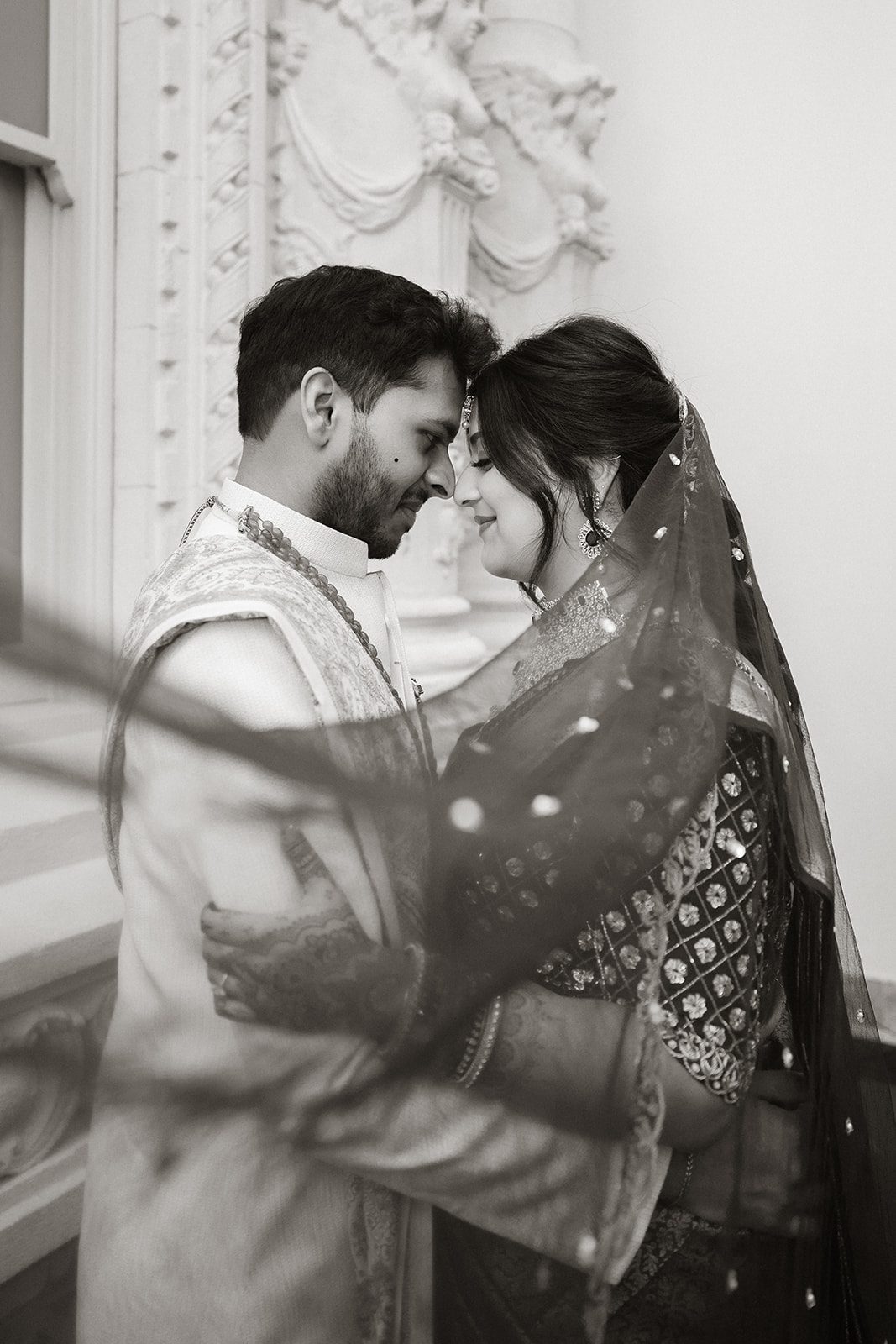
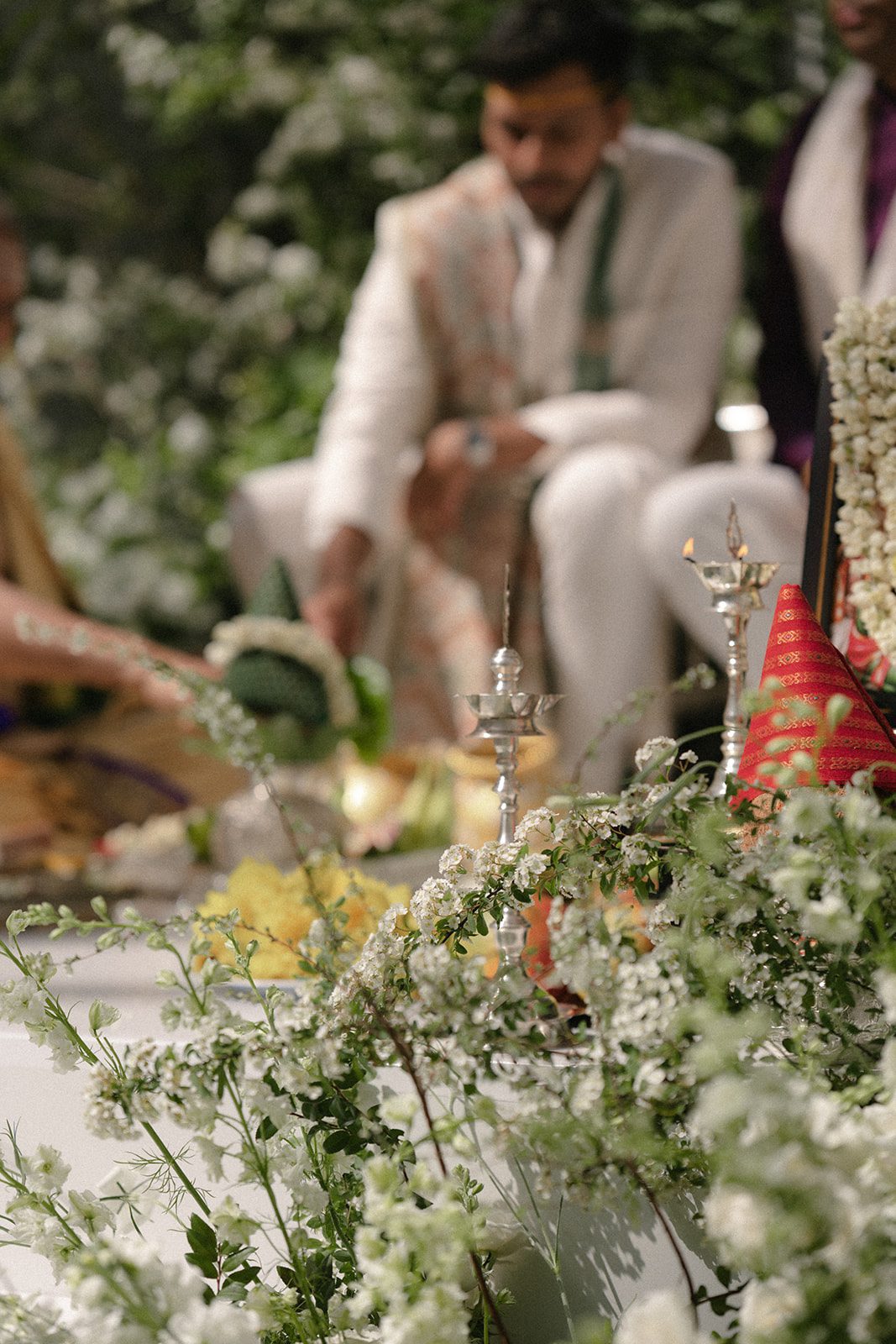
This was a 12-hour wedding day following three days of pre-wedding events earlier in the week. There were traditions to honor, guests to move between spaces, a venue flip to manage, portraits to fit in, and approximately a million other things happening at once!
If you’ve ever been part of an Indian wedding, you already know the timeline is less “simple schedule” and more “beautifully organized chaos with snacks, family opinions, and someone always asking where the couple is.” I say that with love. Truly.
This wedding was such a good reminder that when you’re planning a celebration on this scale, your vendor team matters. A lot.
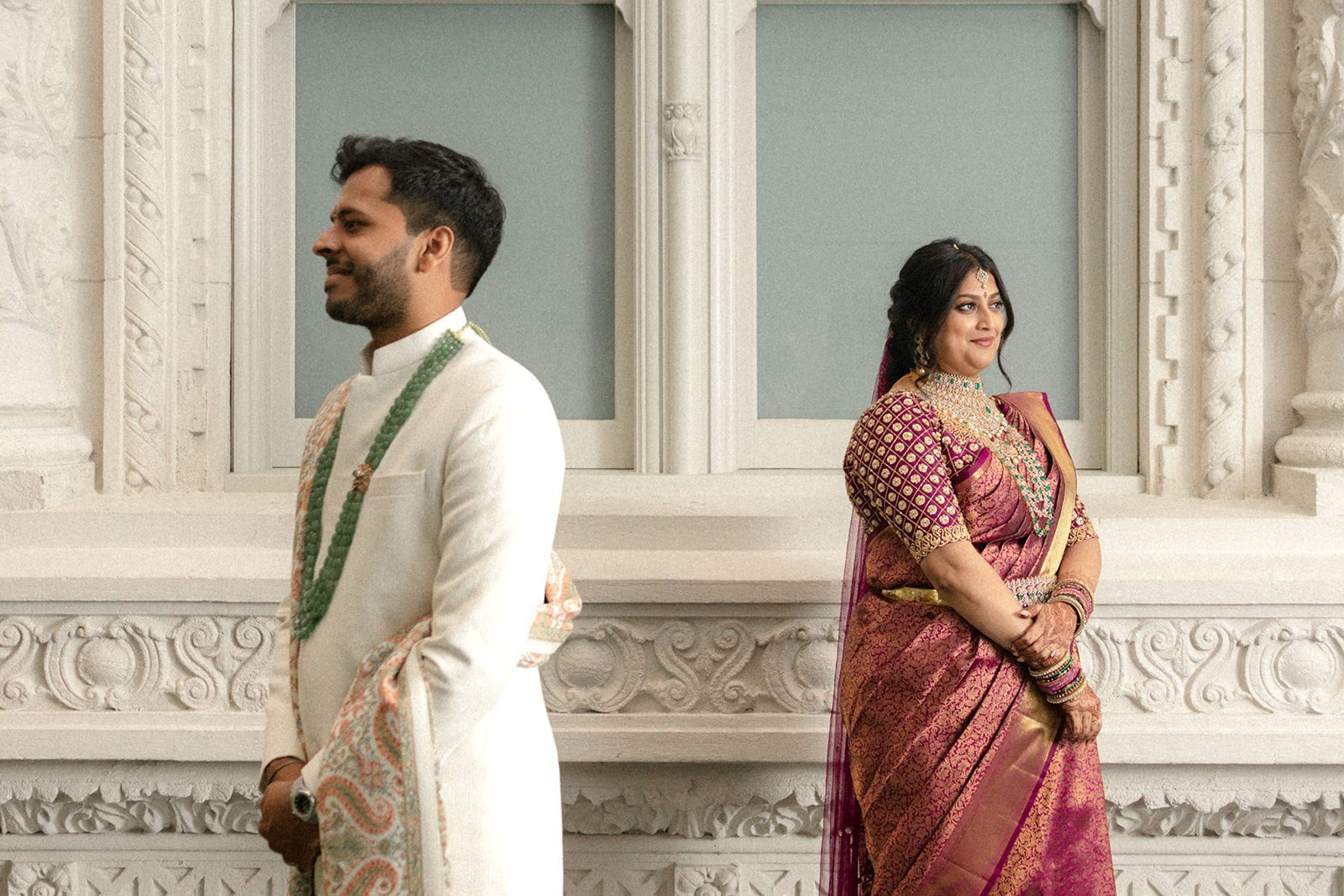
Table of Contents:
A Telugu Wedding at The Conservatory at One Sansome
Why Your Vendor Team Matters So Much for an Indian Wedding
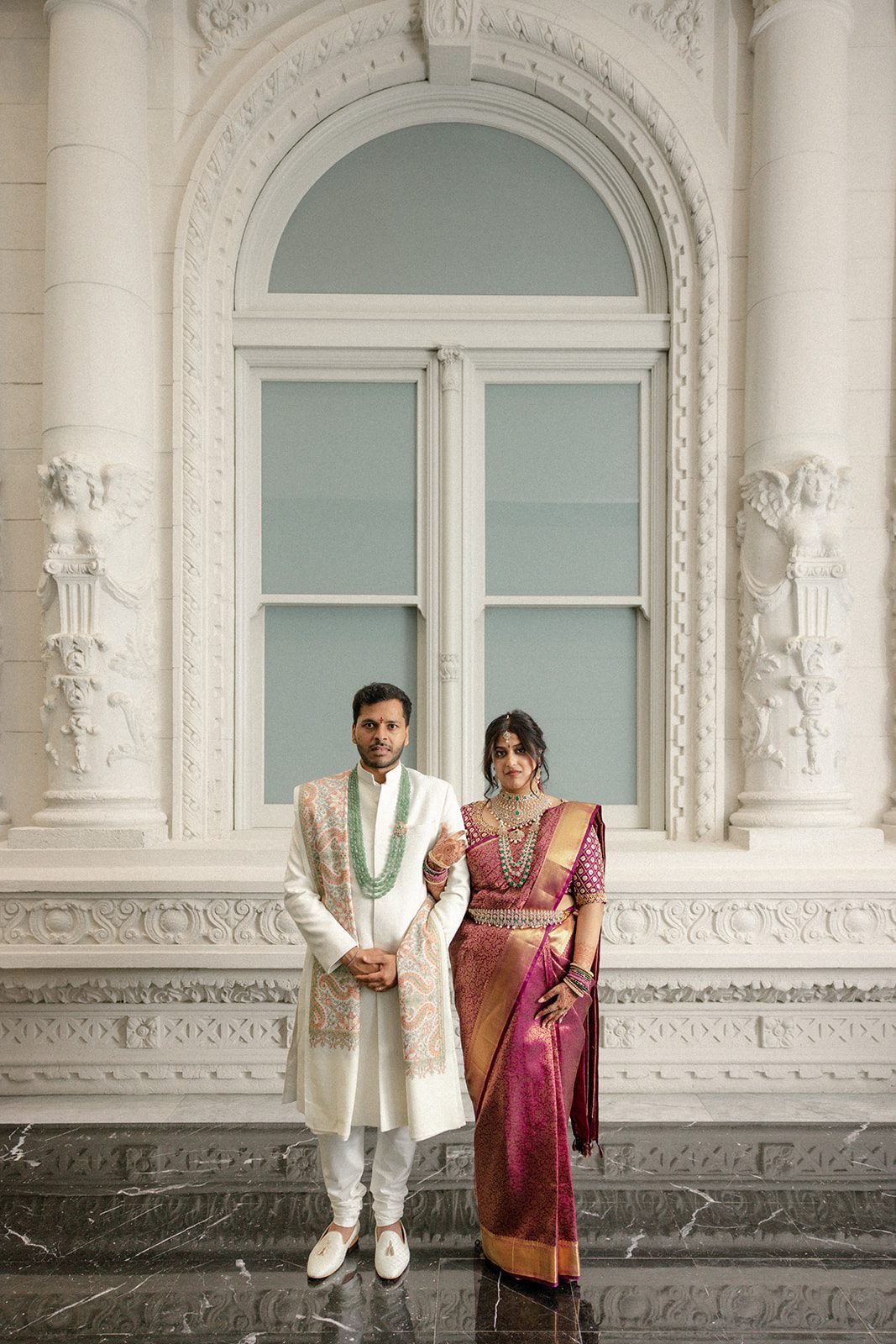
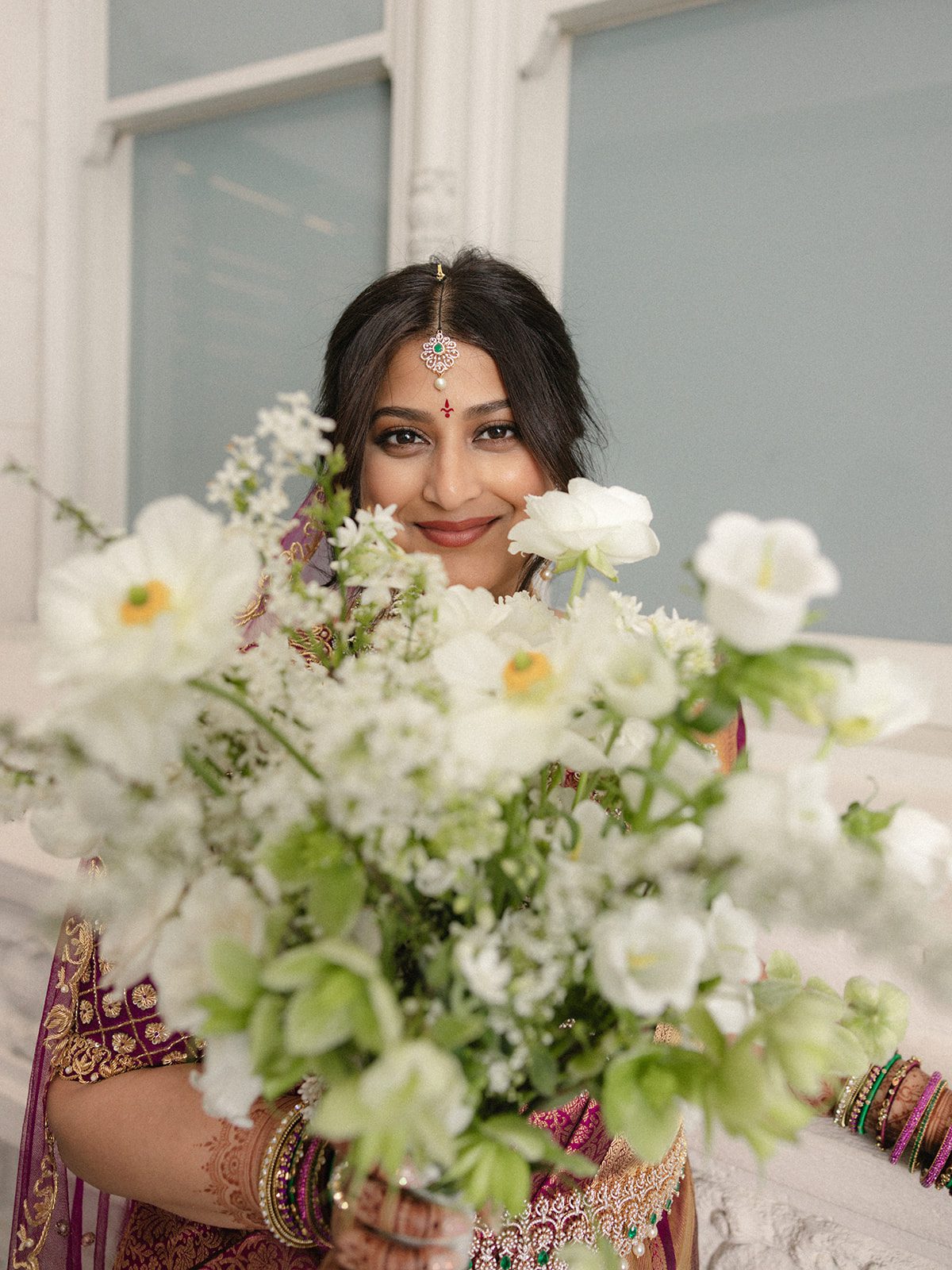
Creating Indoor Portraits at The Conservatory at One Sansome
Make Room for Connection in Your Indian Wedding Timeline
Planning Photography for a Full South Asian Wedding Day
The Team Behind This Conservatory at One Sansome Wedding
Planning Your Own Indian Wedding in San Francisco?
What to Know About Planning a Wedding at The Conservatory at One Sansome
- The venue works well for couples who want a modern indoor San Francisco wedding space.
- Indoor portraits can still have variety with the right lighting and creative direction.
- If your wedding has multiple transitions or a room flip, a strong planner/vendor team matters.
- For cultural weddings, build in timeline space for traditions, family photos, portraits, and guest movement.
- If you want portraits without leaving the venue, plan that intentionally from the beginning.
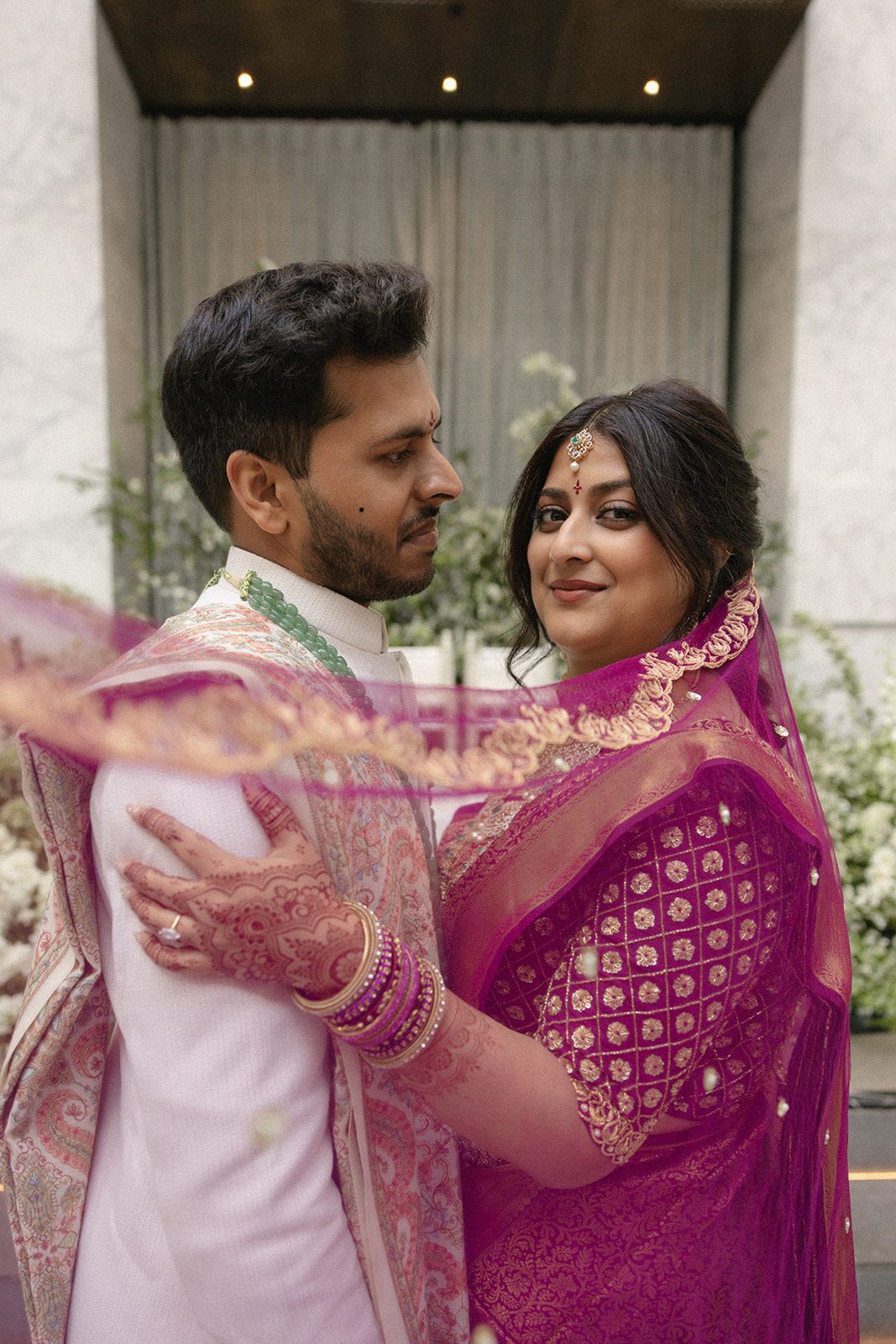
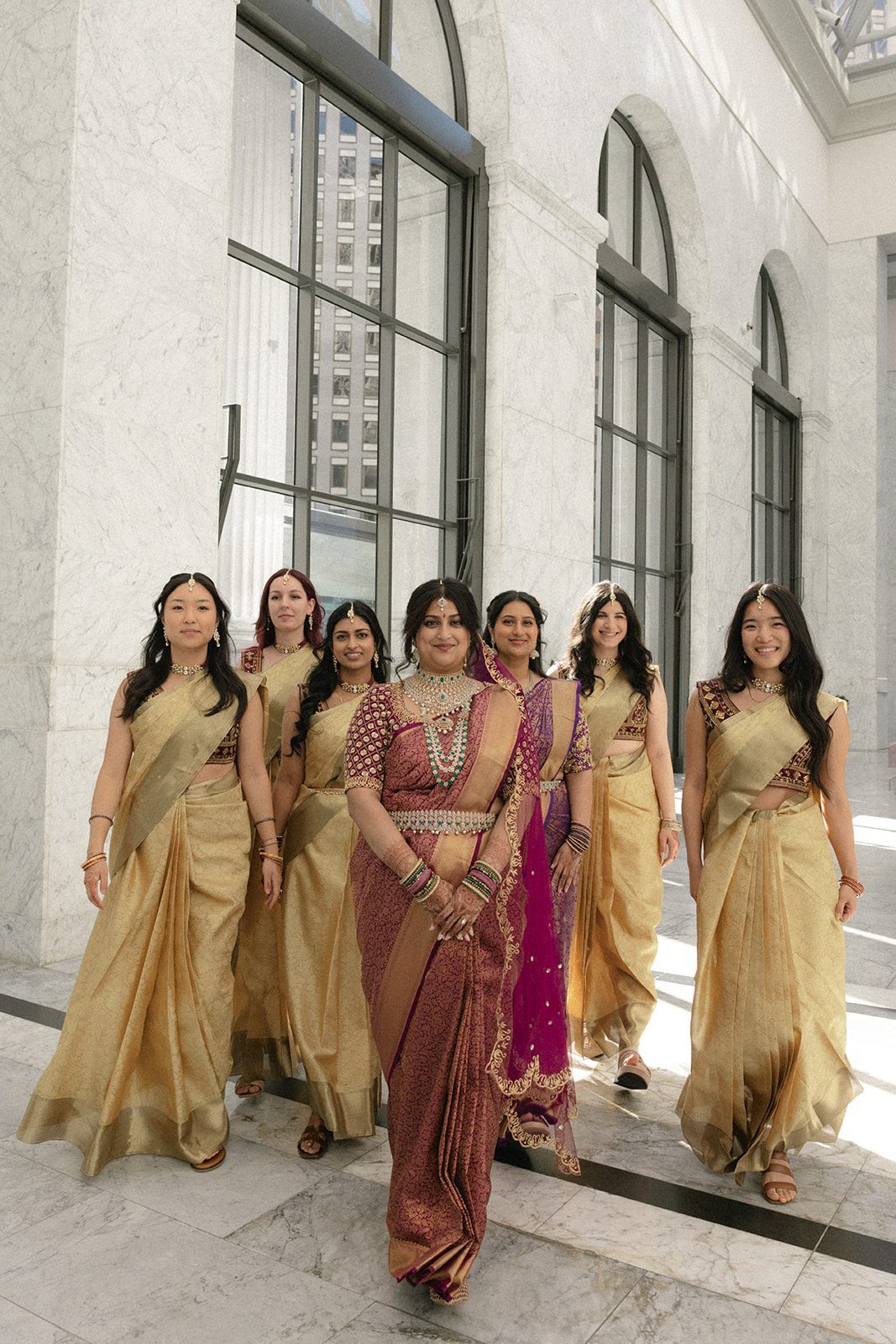
A Telugu Wedding at The Conservatory at One Sansome
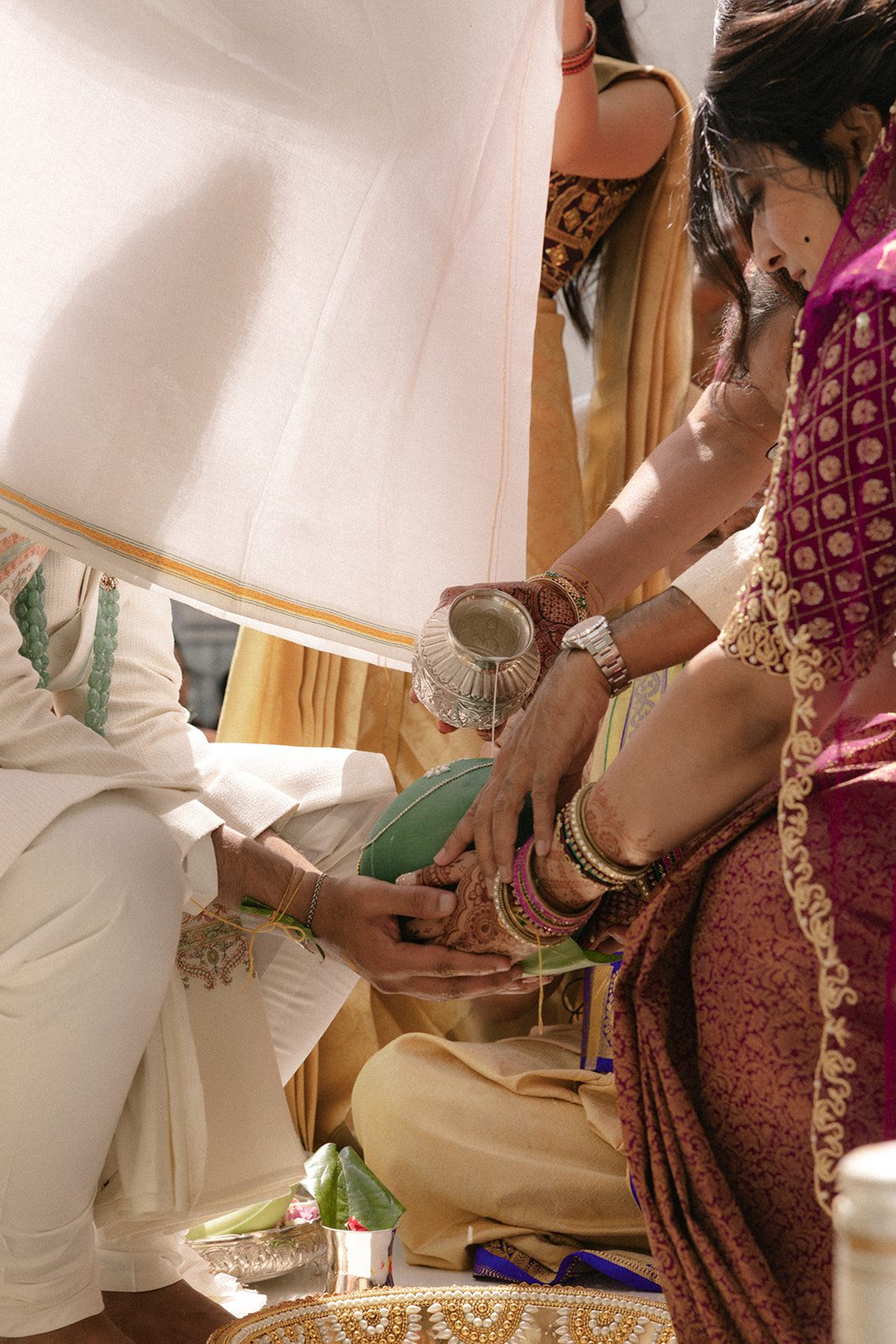
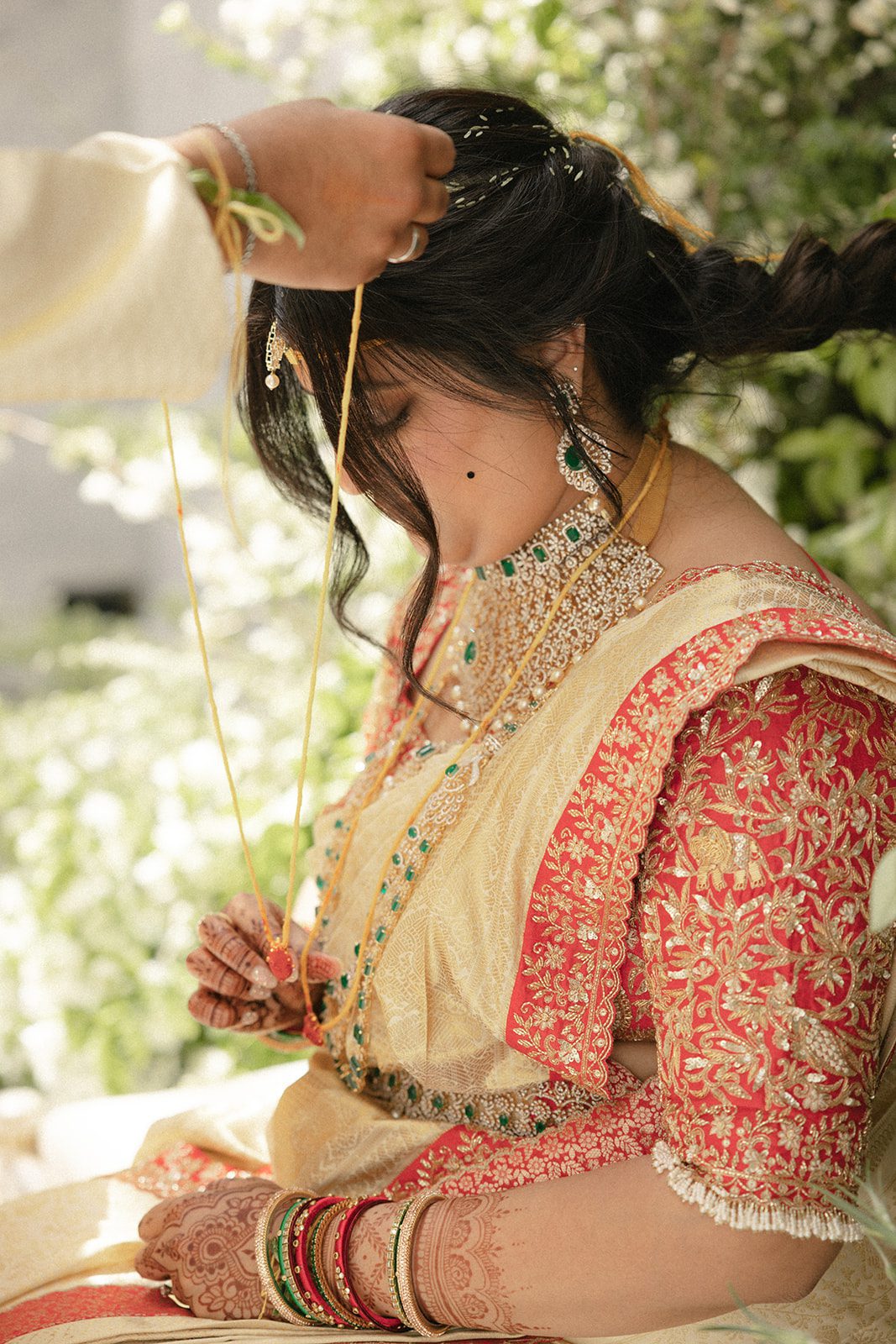
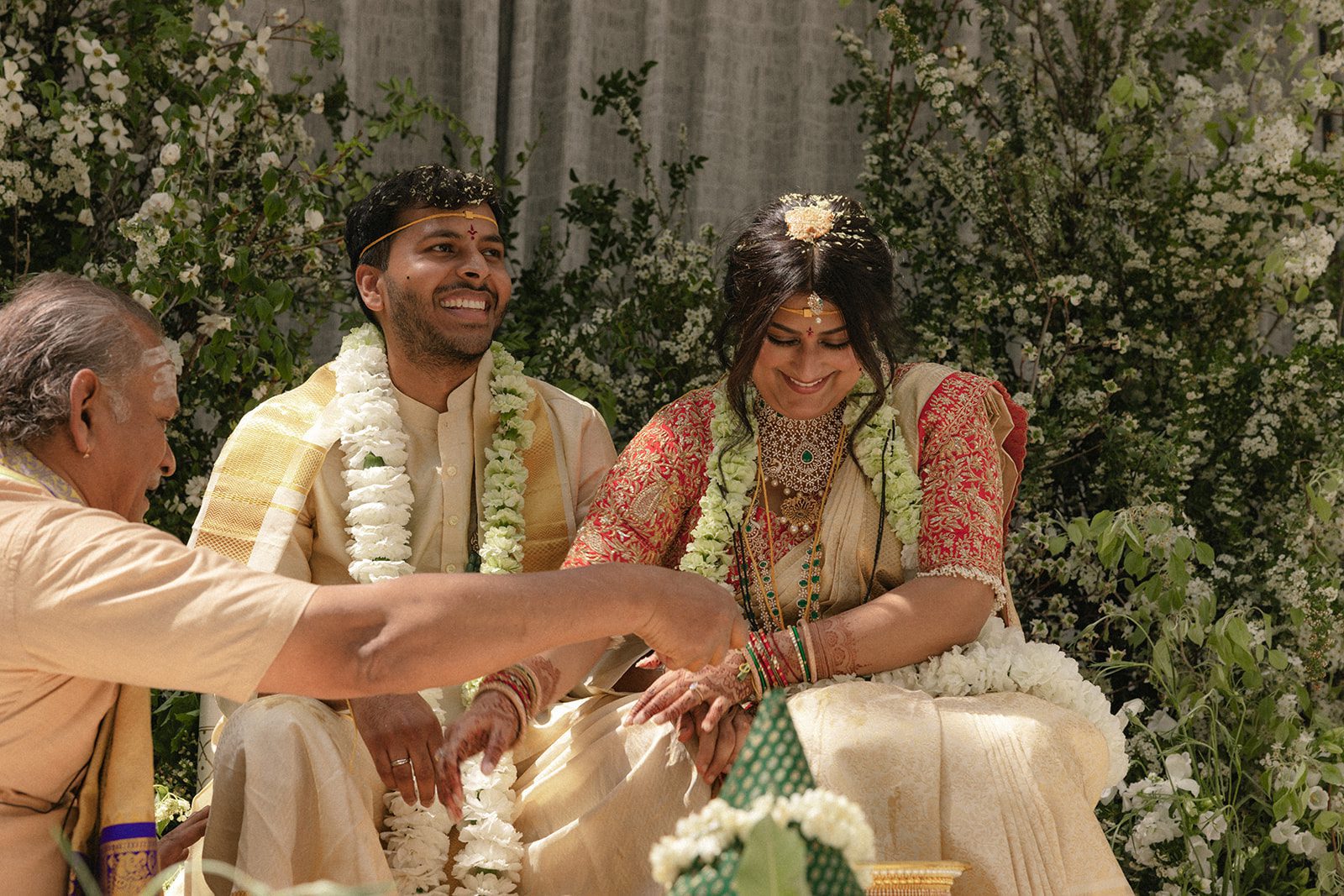
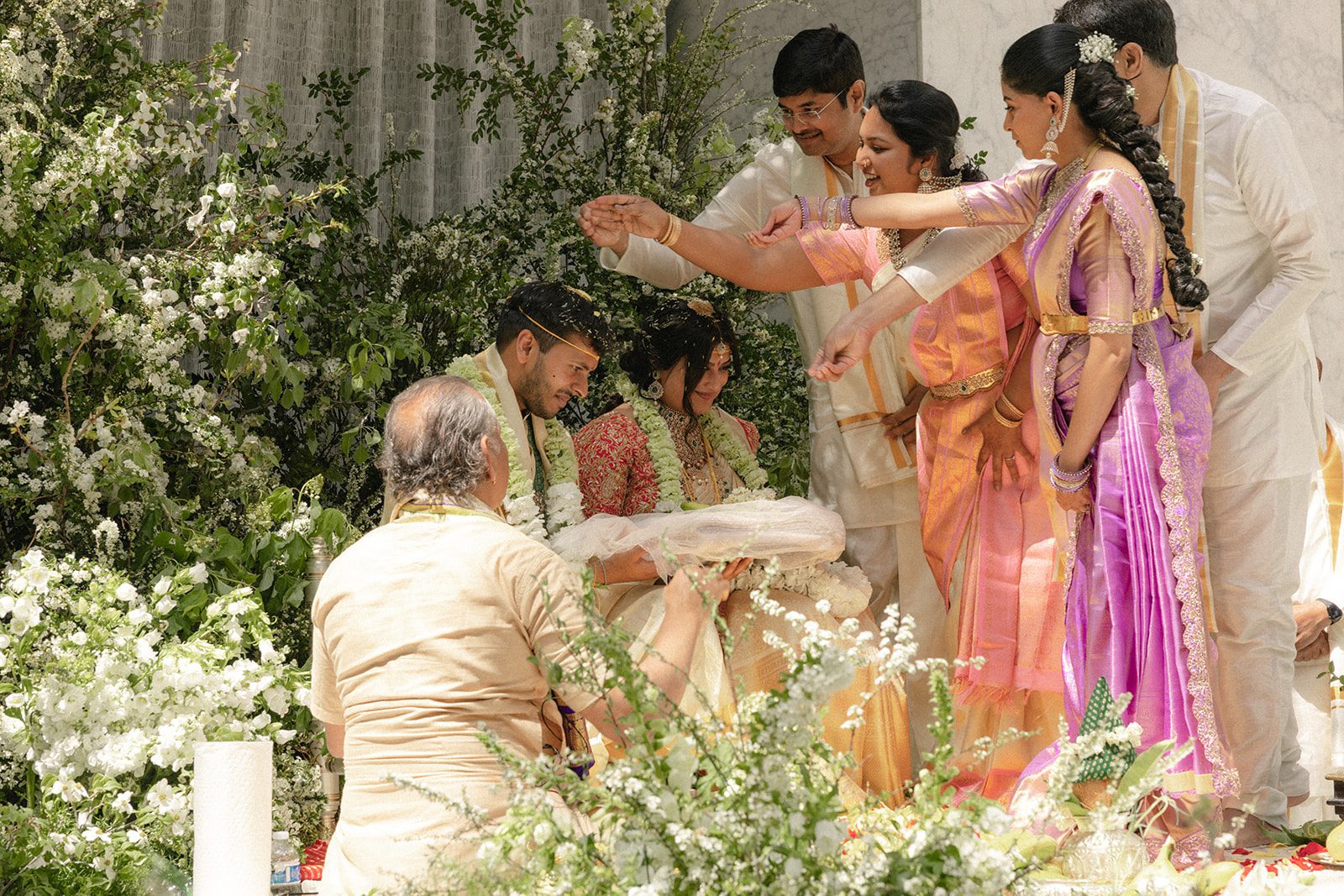
One of my favorite parts of photographing Telugu weddings is that I’m not walking into the day trying to decode everything from the outside. I’m Telugu myself, so a lot of these traditions feel familiar in a really personal way. I know how much is happening, how quickly the ceremony can move. And most importantly, how many meaningful little moments can get swallowed up if no one is paying attention.
When we’re planning the timeline, I understand how much is happening during the ceremony and why those moments matter. I can help couples think through when we need time for photos, and where we can create some breathing room. As well as how to structure things so they aren’t spending their entire wedding day feeling like they’re just moving from one thing to the next.
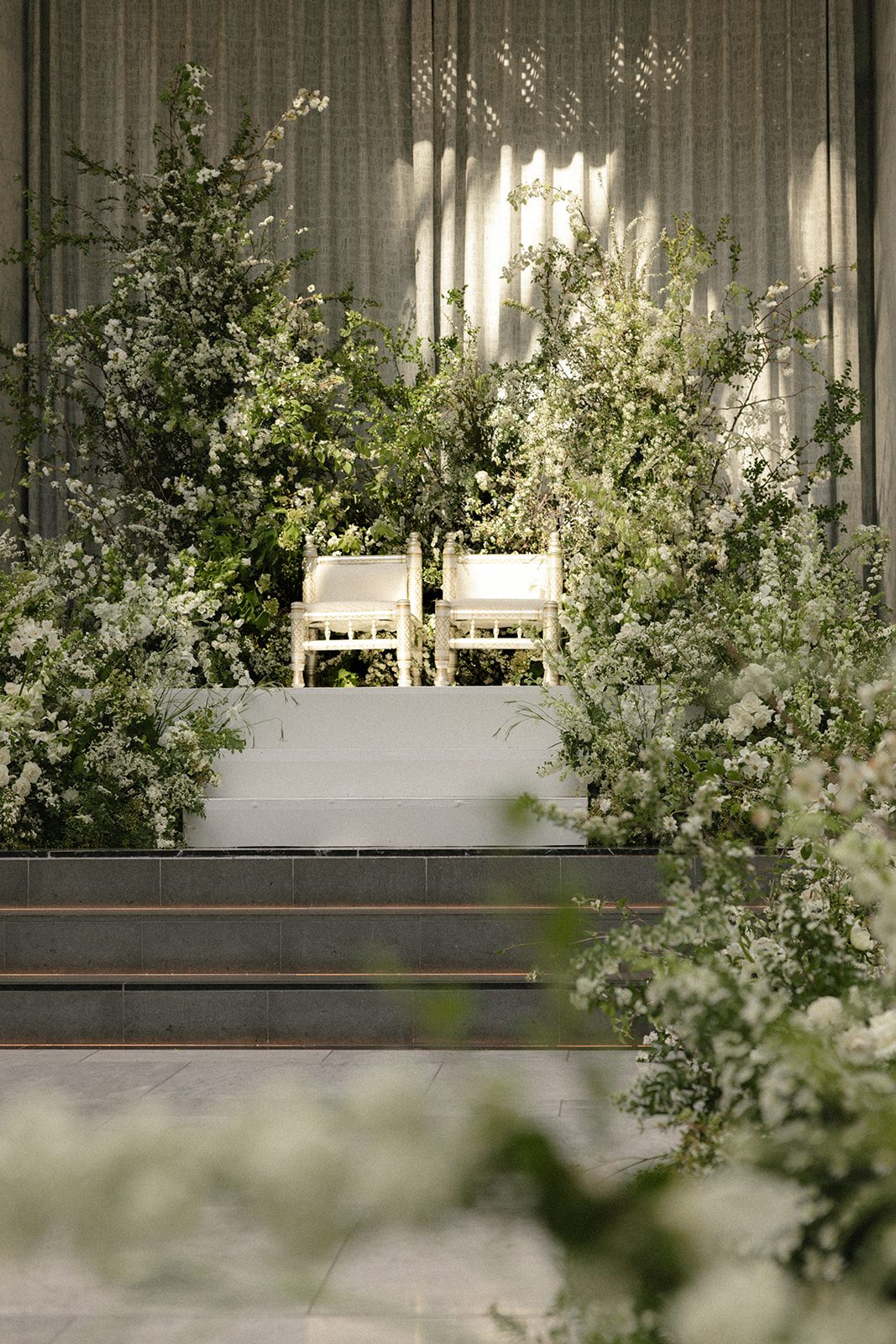
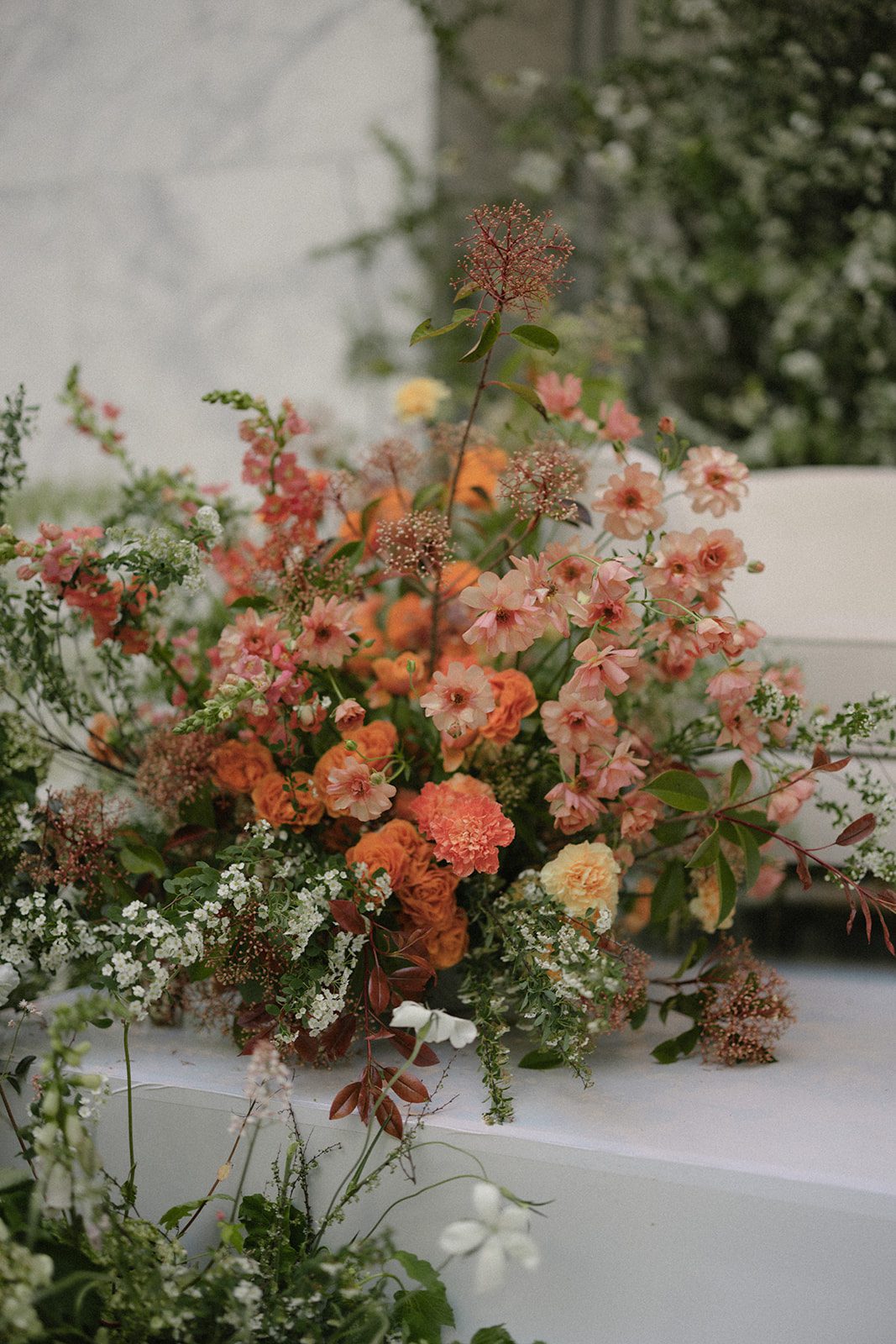
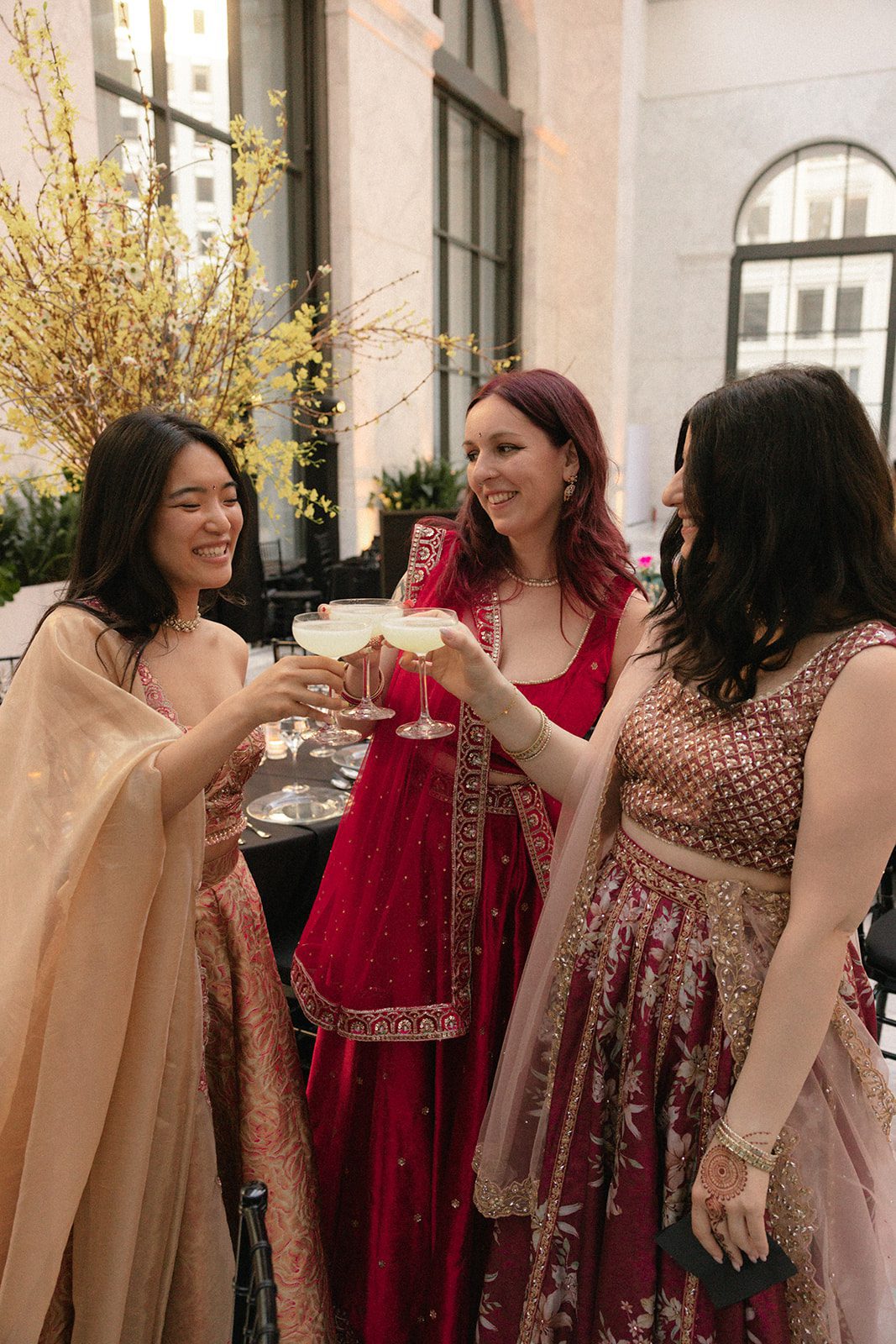
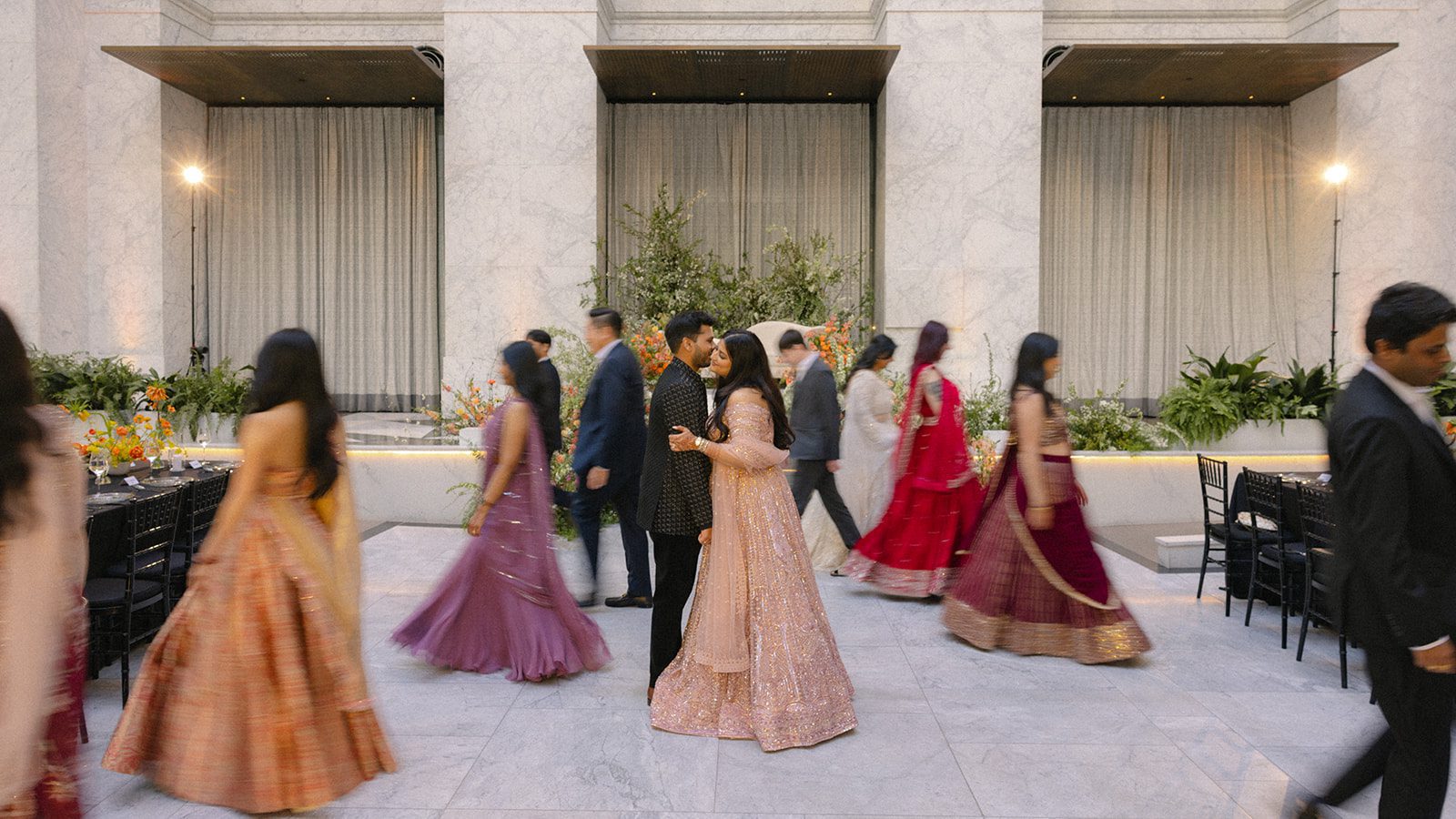
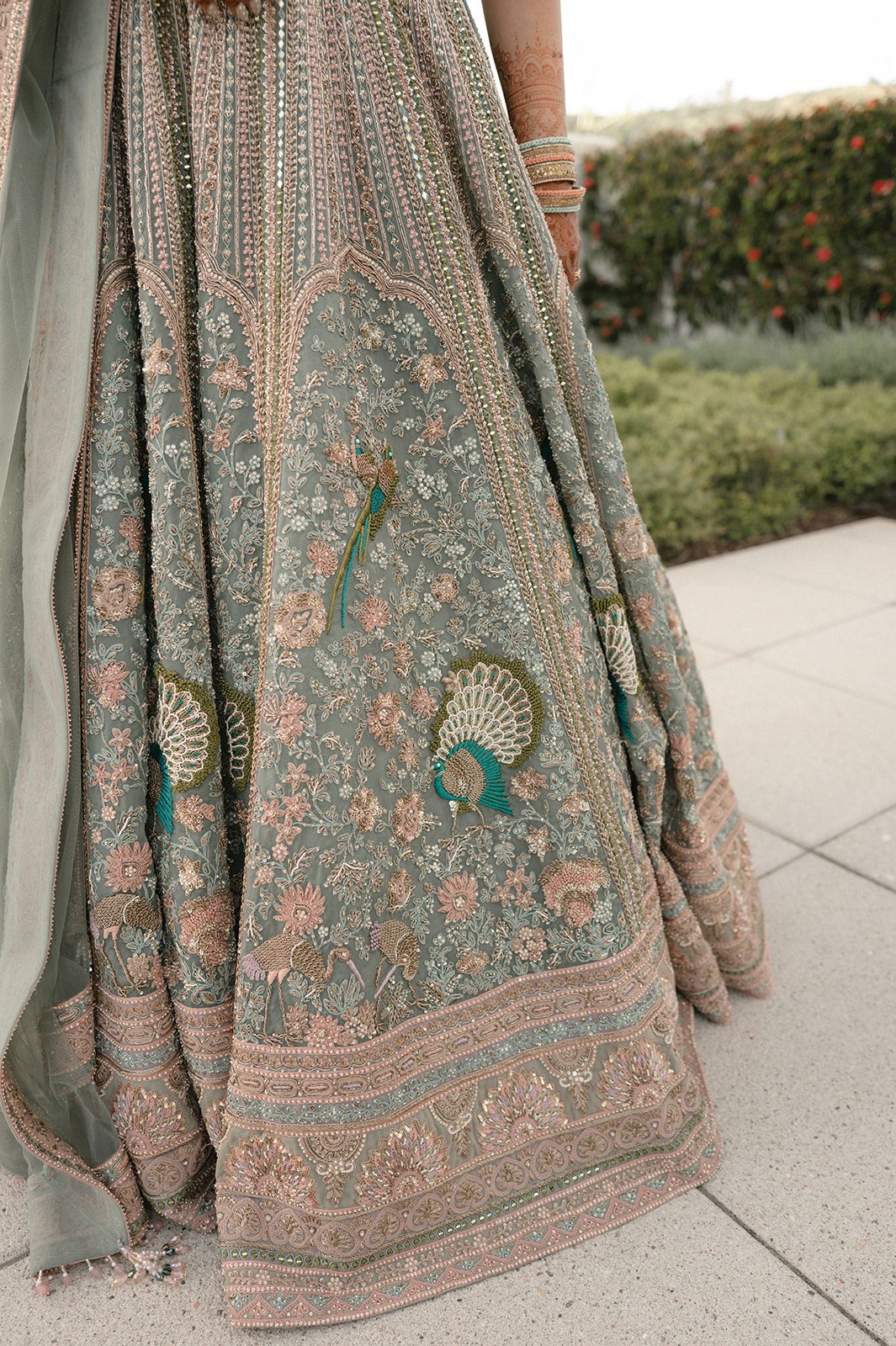
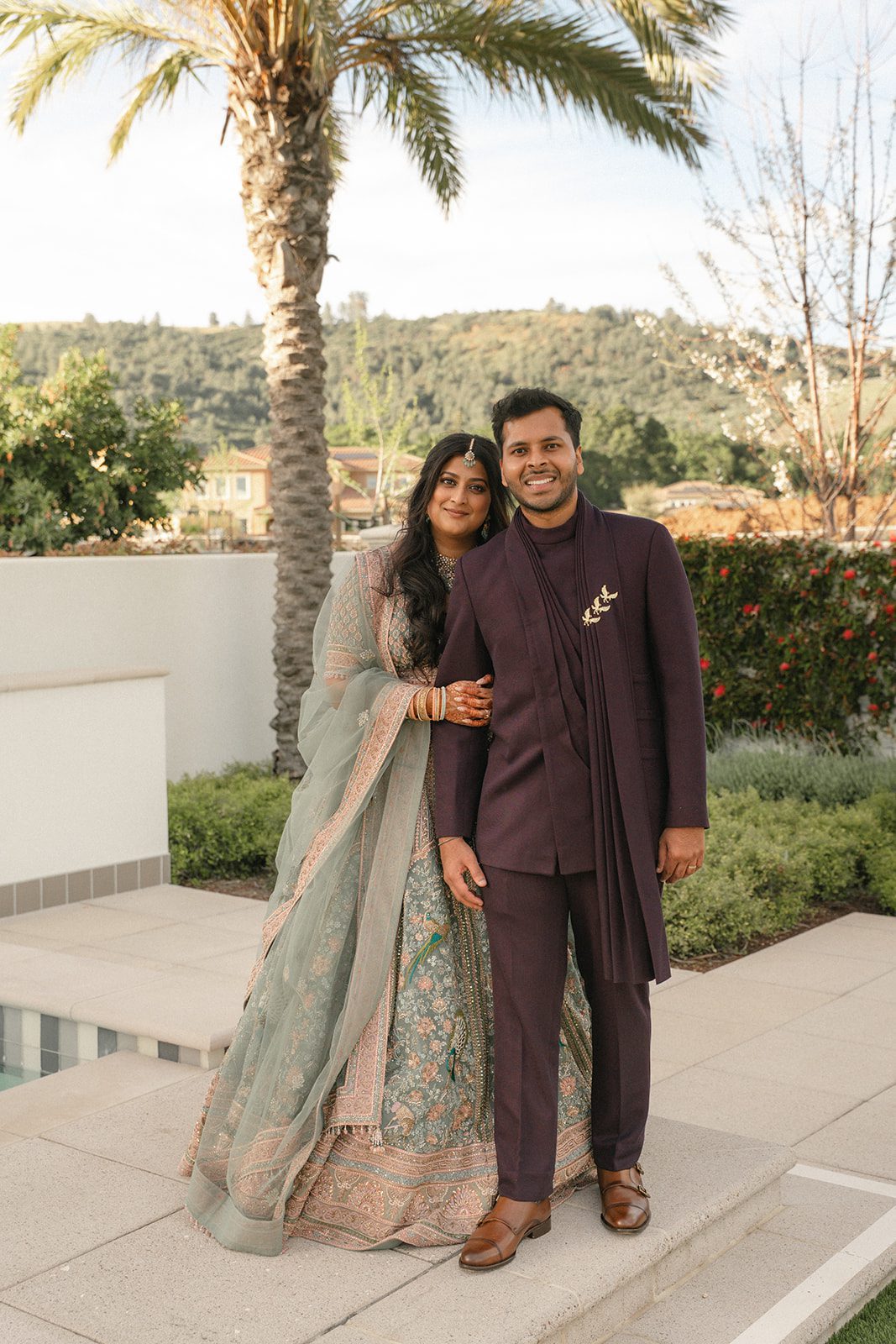
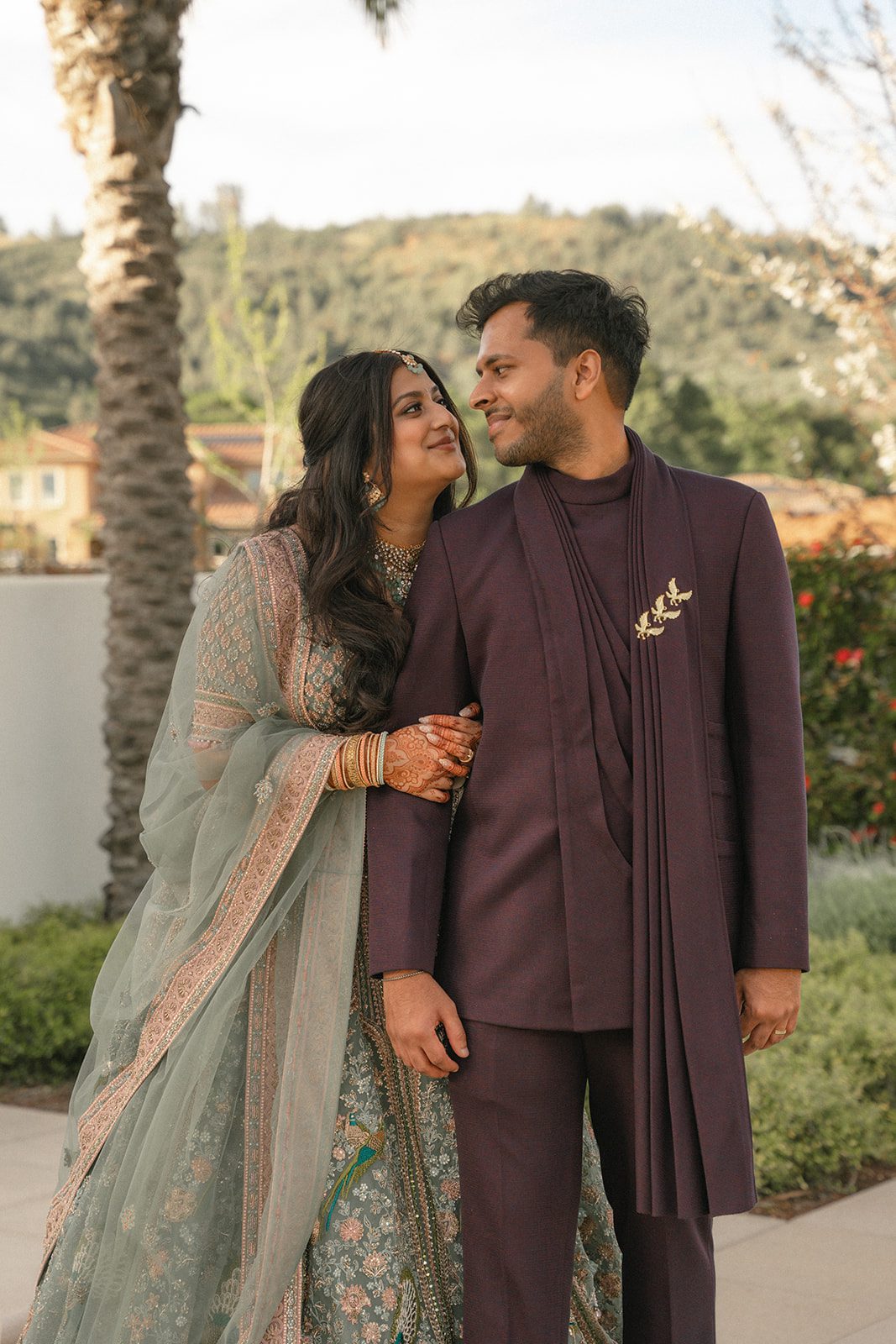
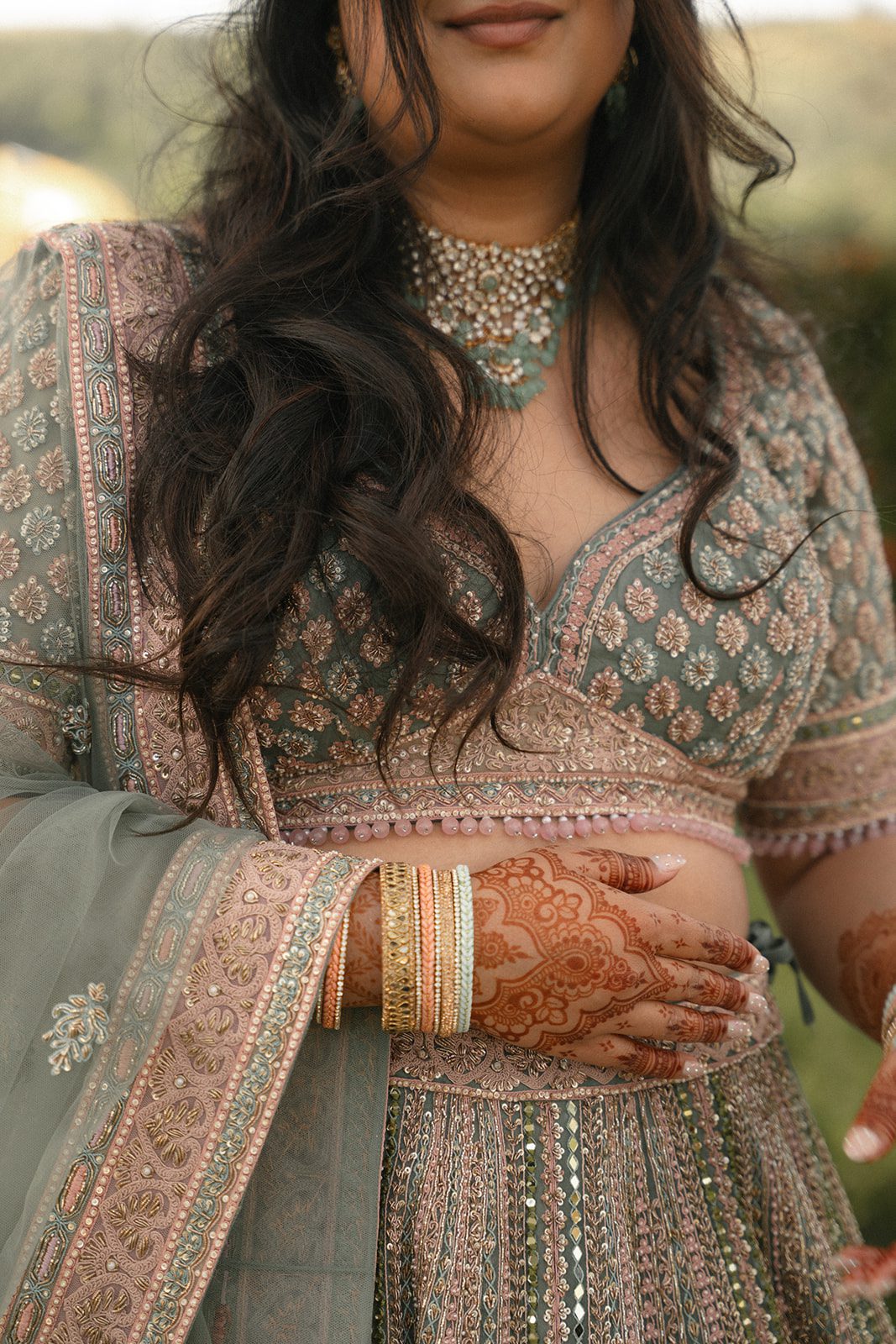
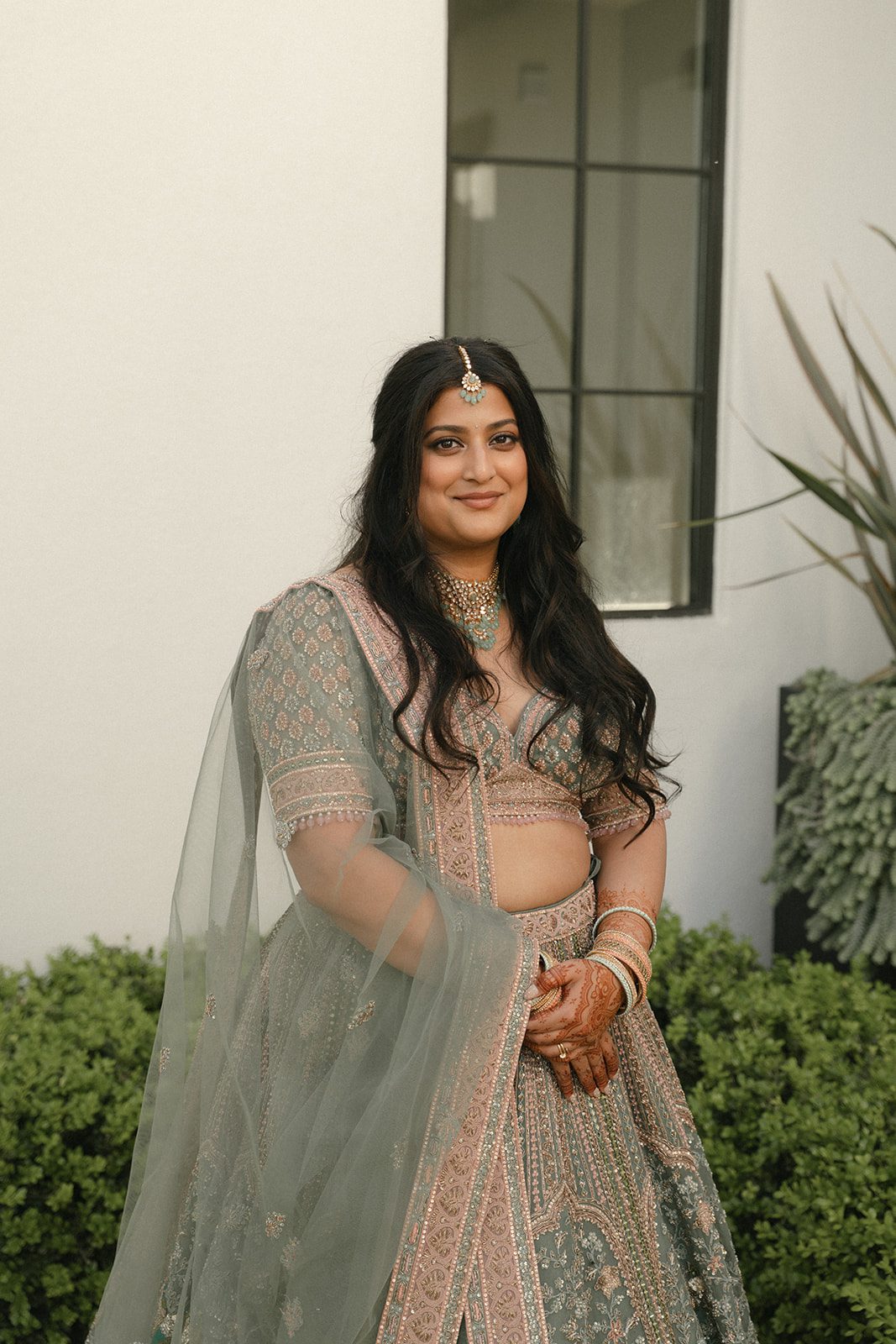
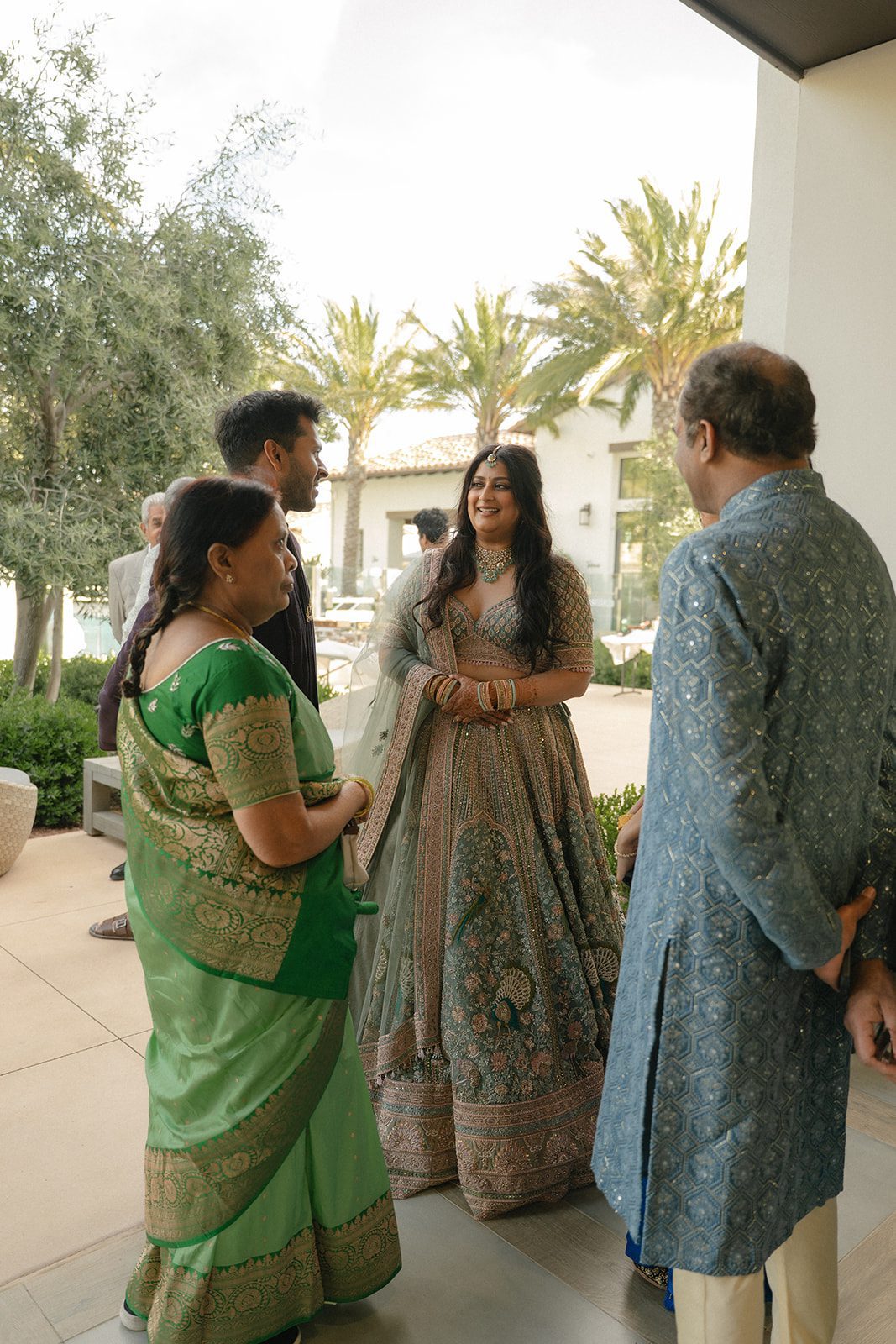
The color, florals, clothing, and traditions brought so much warmth into a space that already has a strong modern feel. That contrast is what made the day visually interesting to me. Not just The Conservatory at One Sansome on its own, but the way their culture and design choices completely changed the feeling of the room.
Why Your Vendor Team Matters So Much for an Indian Wedding
If you’re planning an Indian wedding, one of the biggest pieces of advice I can give you is to be really intentional about the team you put around you. This wedding is a perfect example of how a great vendor team makes all the difference!
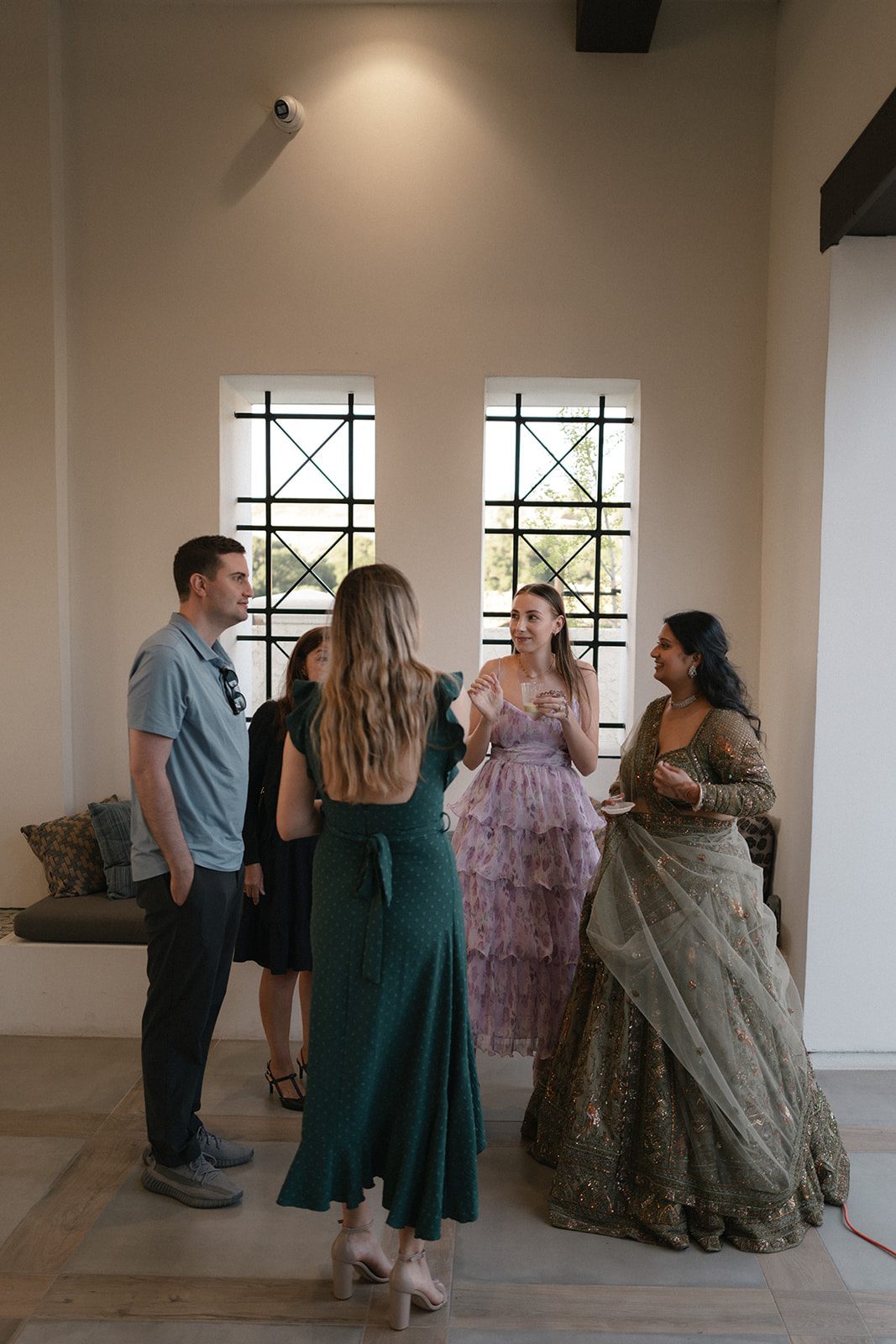
The Conservatory at One Sansome required a lot of attention to detail throughout the day. There was a pretty quick flip; guests needed to be managed between different rooms. Just a lot of moving parts happening simultaneously.
Amora Events did an incredible job managing it all. They’re one of the best planning teams I’ve worked with. They’re so on top of everything, and on a wedding day like this, that matters.
It’s easy to choose vendors based on the finished product you see online. Obviously, you should love their work! But you’re also choosing the people who will be solving problems, communicating with each other, managing transitions, and keeping things moving when there are 15 things happening at once.
A wedding like this does not come together because everyone simply shows up and hopes for the best. Love optimism, but no. There are guests to move, rooms to flip, timelines to protect, families to communicate with, and about 47 tiny decisions happening at the same time. The people behind the day matter just as much as the details you’re choosing.
Creating Indoor Portraits at The Conservatory at One Sansome
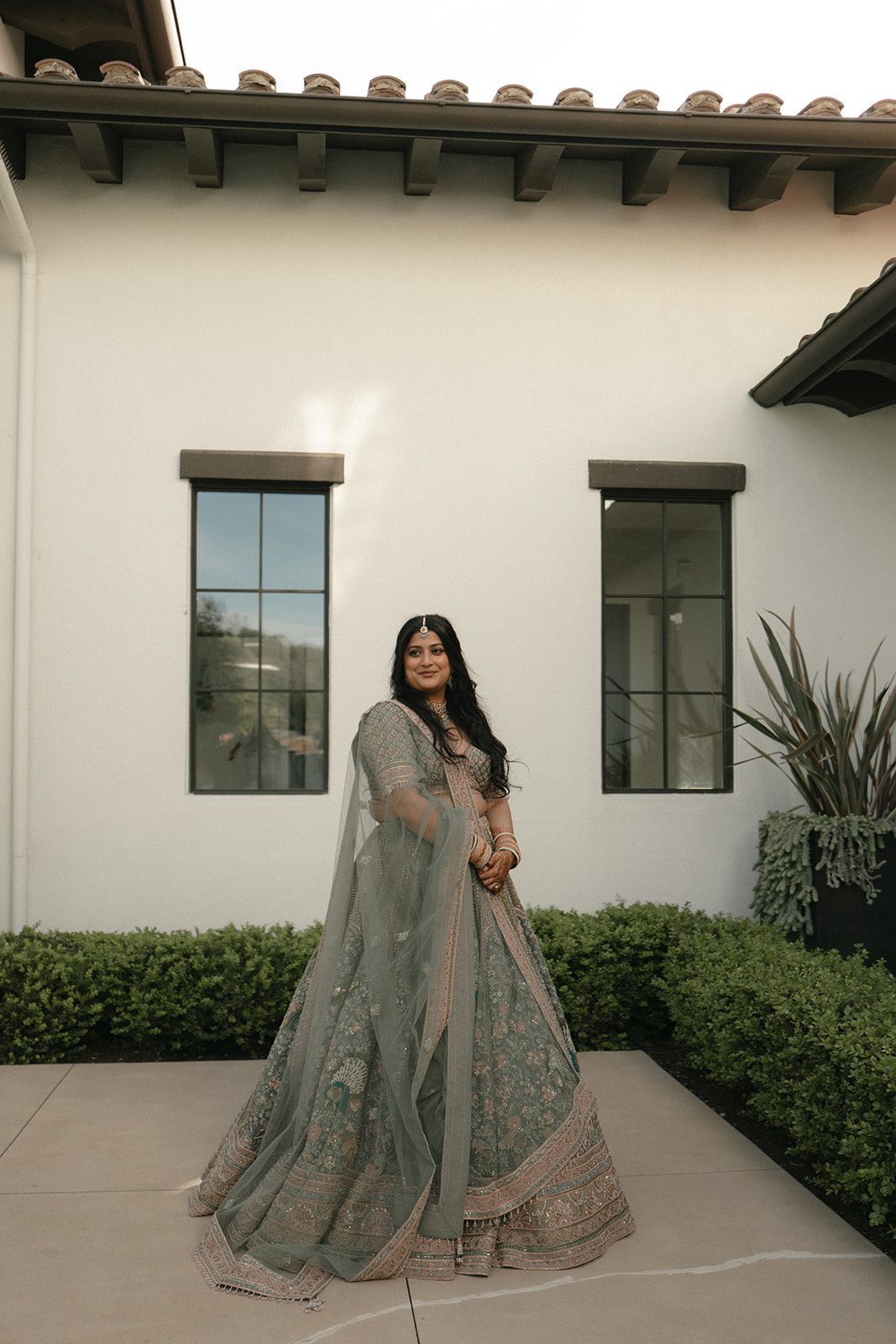
One of the interesting photography challenges from this wedding was that we were pretty limited on portrait locations. The couple didn’t want to go outside for their portraits, so everything needed to happen within the venue. And honestly, constraints like that can push me creatively.
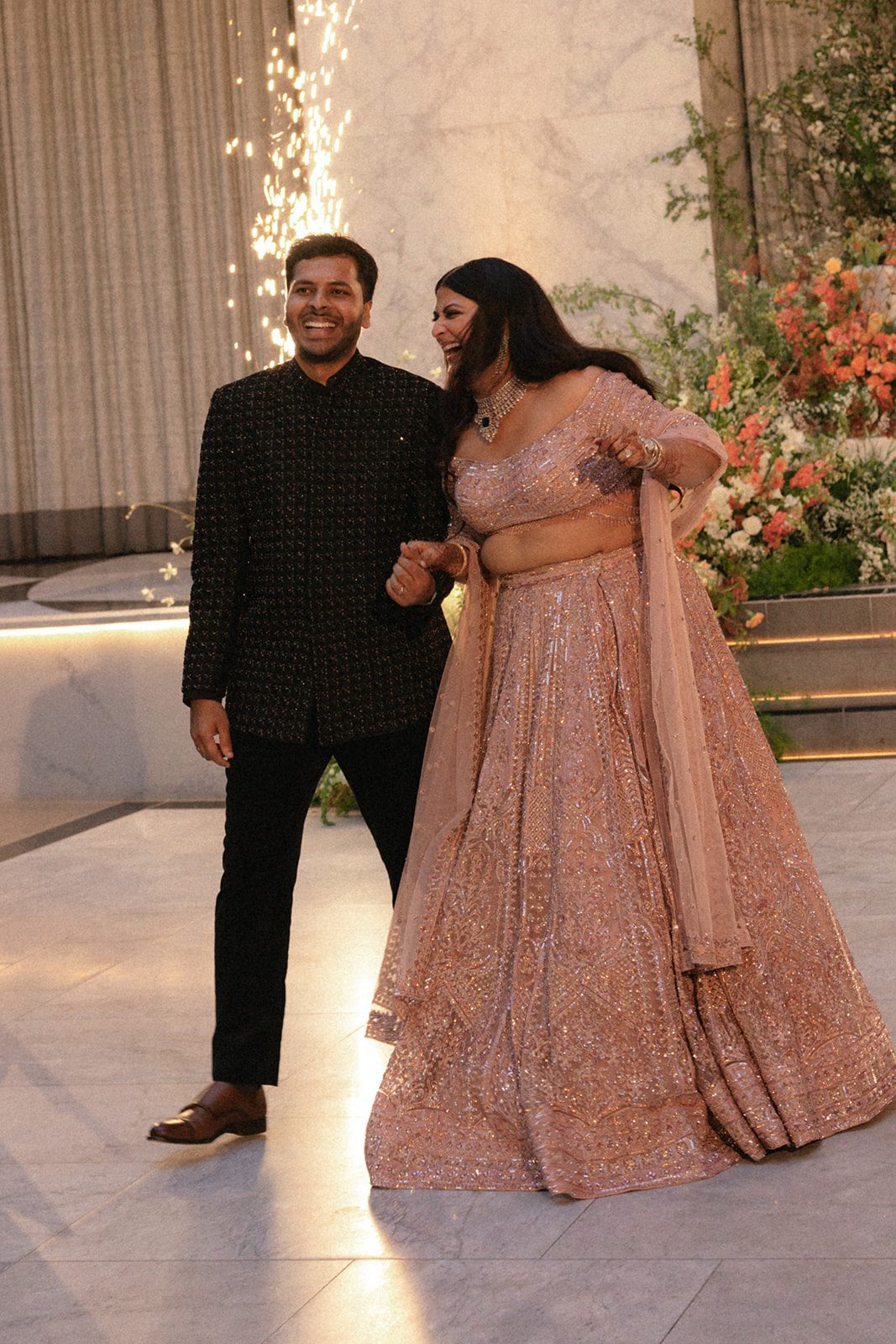
Rather than relying on a ton of different locations, I worked with the spaces we had and used off-camera flash to completely change the feeling of the room. Lighting can make the same space look dramatically different, so we were still able to create portraits with variety without needing to leave The Conservatory at One Sansome.
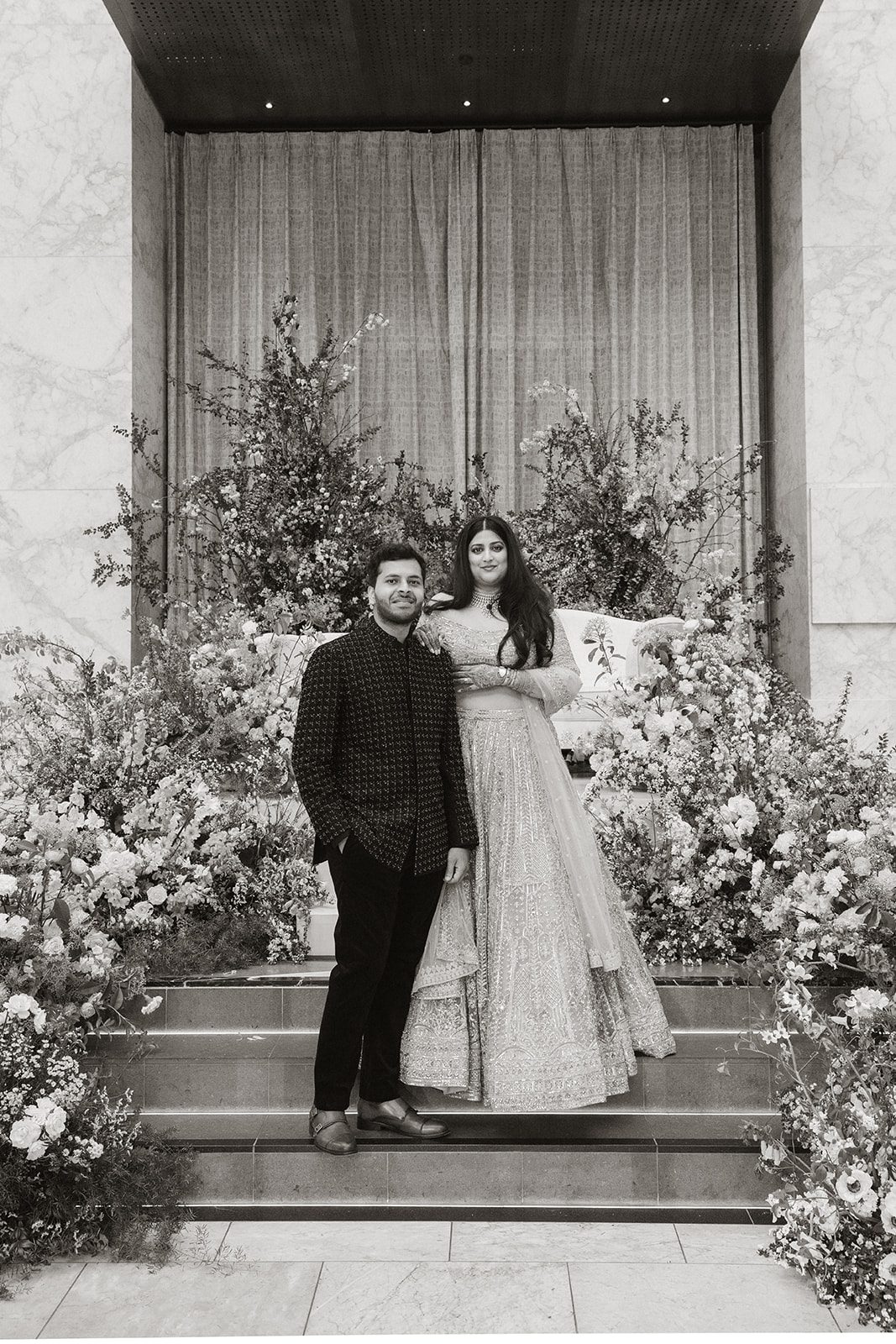
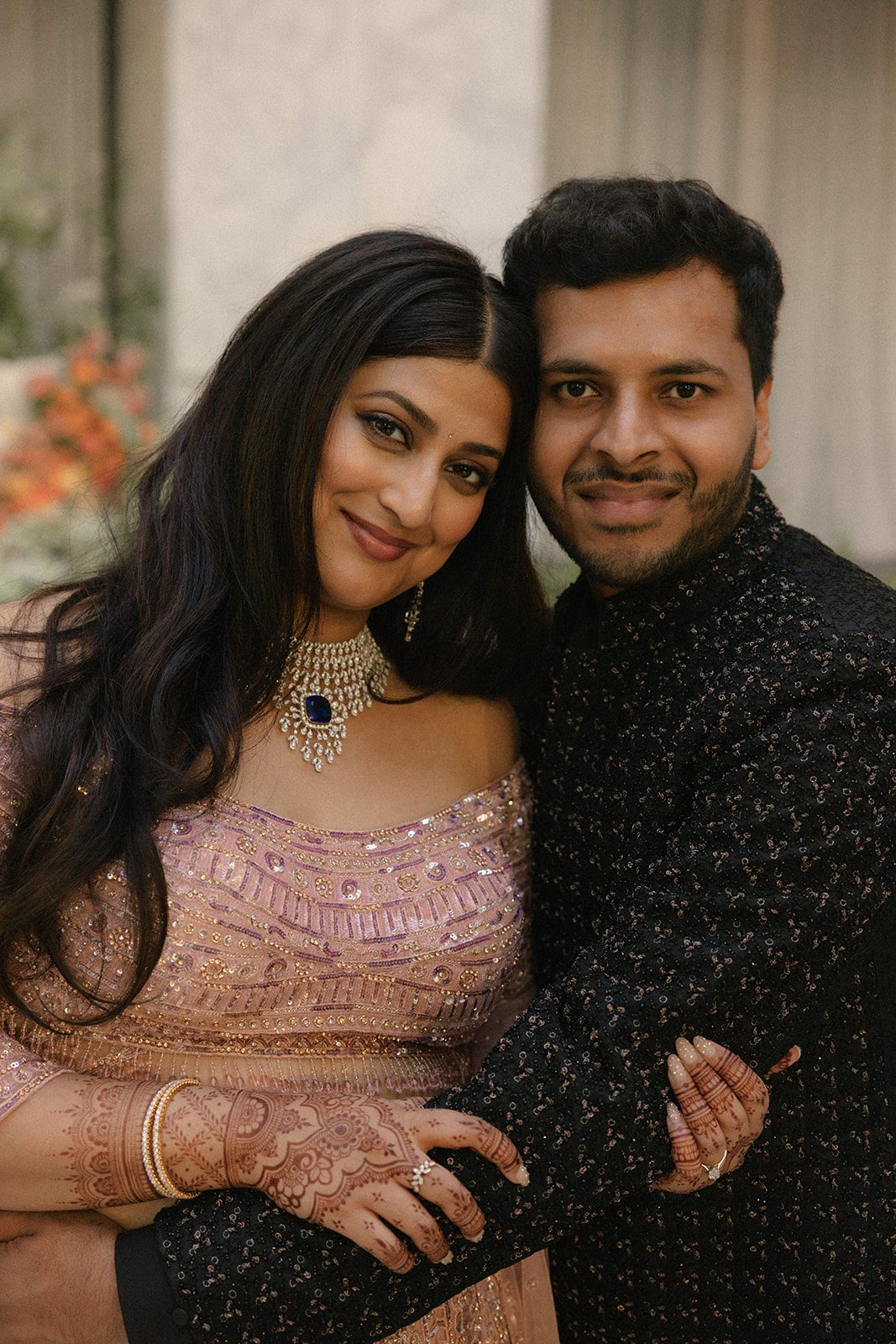
This is the part of wedding photography that people don’t always see from the outside. Sometimes I’m not thinking, “Where is the prettiest spot?” I’m thinking, “What can this corner become if I change the light, shift the angle, or give them a little more movement?” Very normal photographer brain behavior.
It’s also why I think adaptability is such an important part of choosing a San Francisco wedding photographer. Your wedding shouldn’t have to revolve around creating the perfect conditions for photos. Sometimes you don’t want to leave your venue. And sometimes the timeline changes. Sometimes you have five minutes instead of twenty.
The goal is to be able to look at what’s actually available and make something great with it.
Make Room for Connection in Your Indian Wedding Timeline
One thing I talk about a lot with South Asian couples during timeline calls is connection. There are so many logistics to think about. At The Conservatory at One Sansome, timeline planning matters even more because the day involves guest movement, a quick venue flip, indoor portraits, and a full traditional ceremony inside a modern San Francisco space. All of those things matter, but somewhere in that giant timeline, I want you to ask yourselves:
When are we actually getting time together?
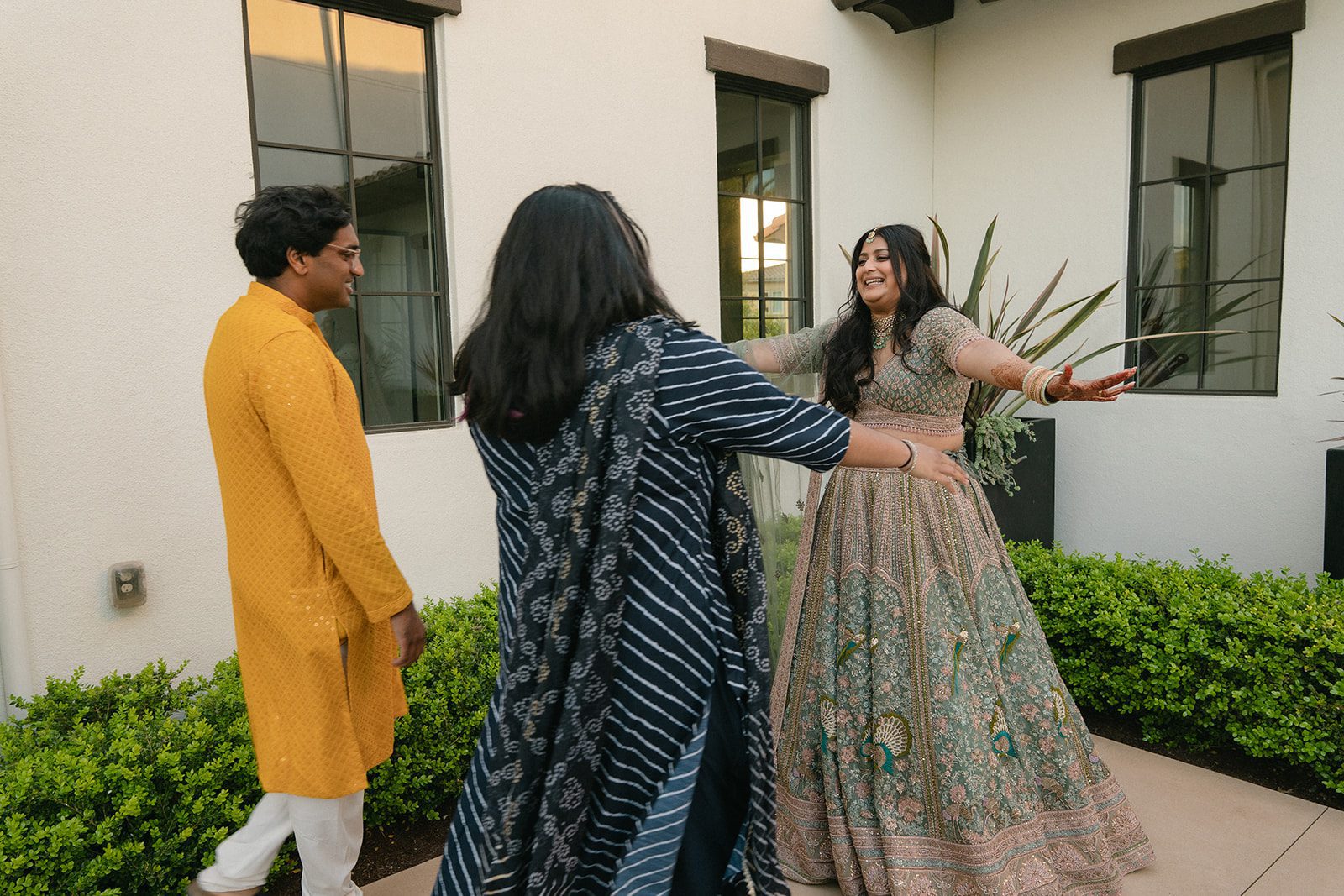
I care about this so much because I know how easy it is, especially at a South Asian wedding, to spend the entire day being loved on, needed, celebrated, photographed, pulled into traditions, and somehow barely alone with the person you’re marrying. It’s sweet, and it’s chaotic. It’s a lot.
Because it’s surprisingly easy to plan an entire wedding and forget to plan time to actually experience it with the person you’re marrying. There are a few really simple ways I like to create that space without completely changing a traditional Indian wedding timeline.
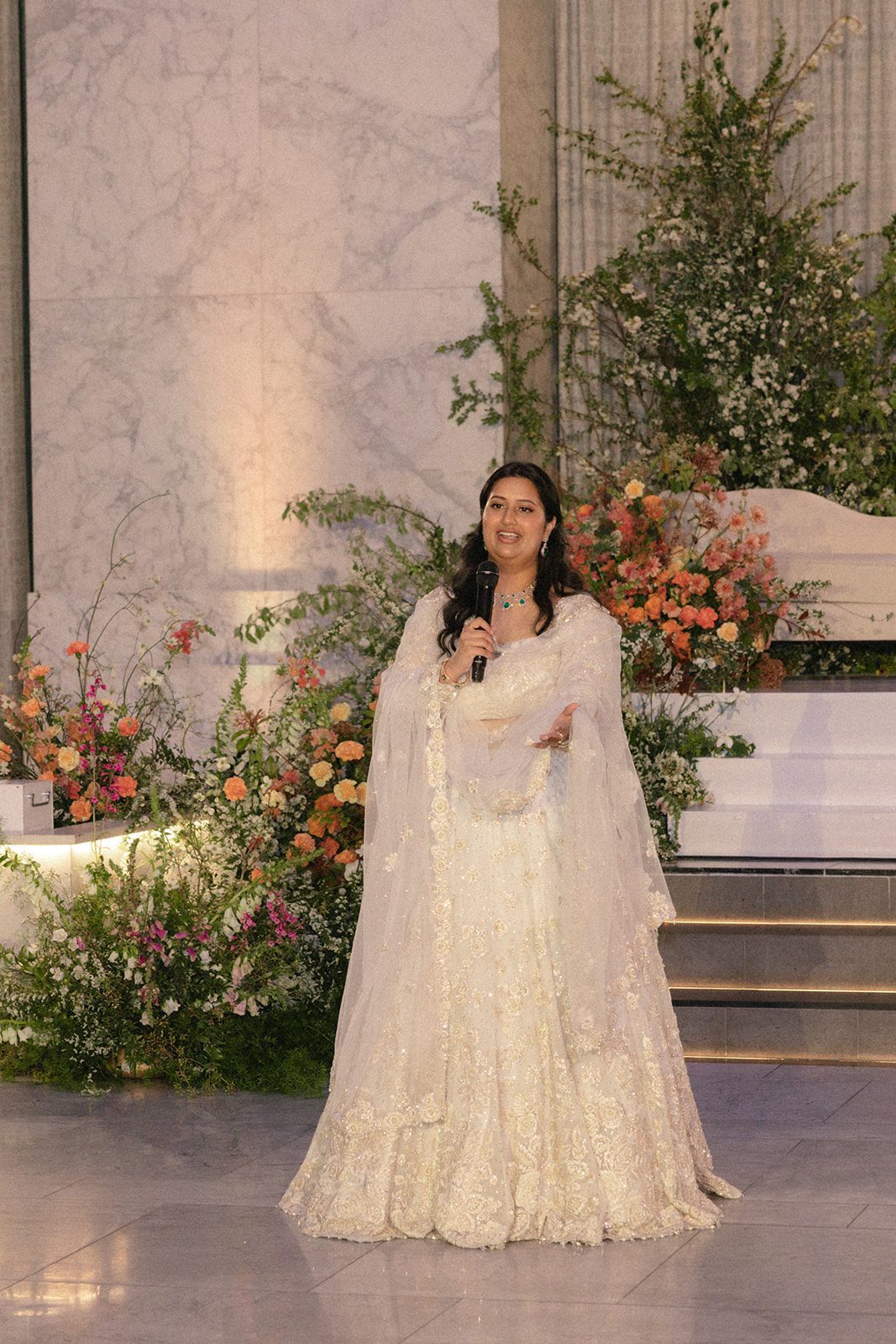
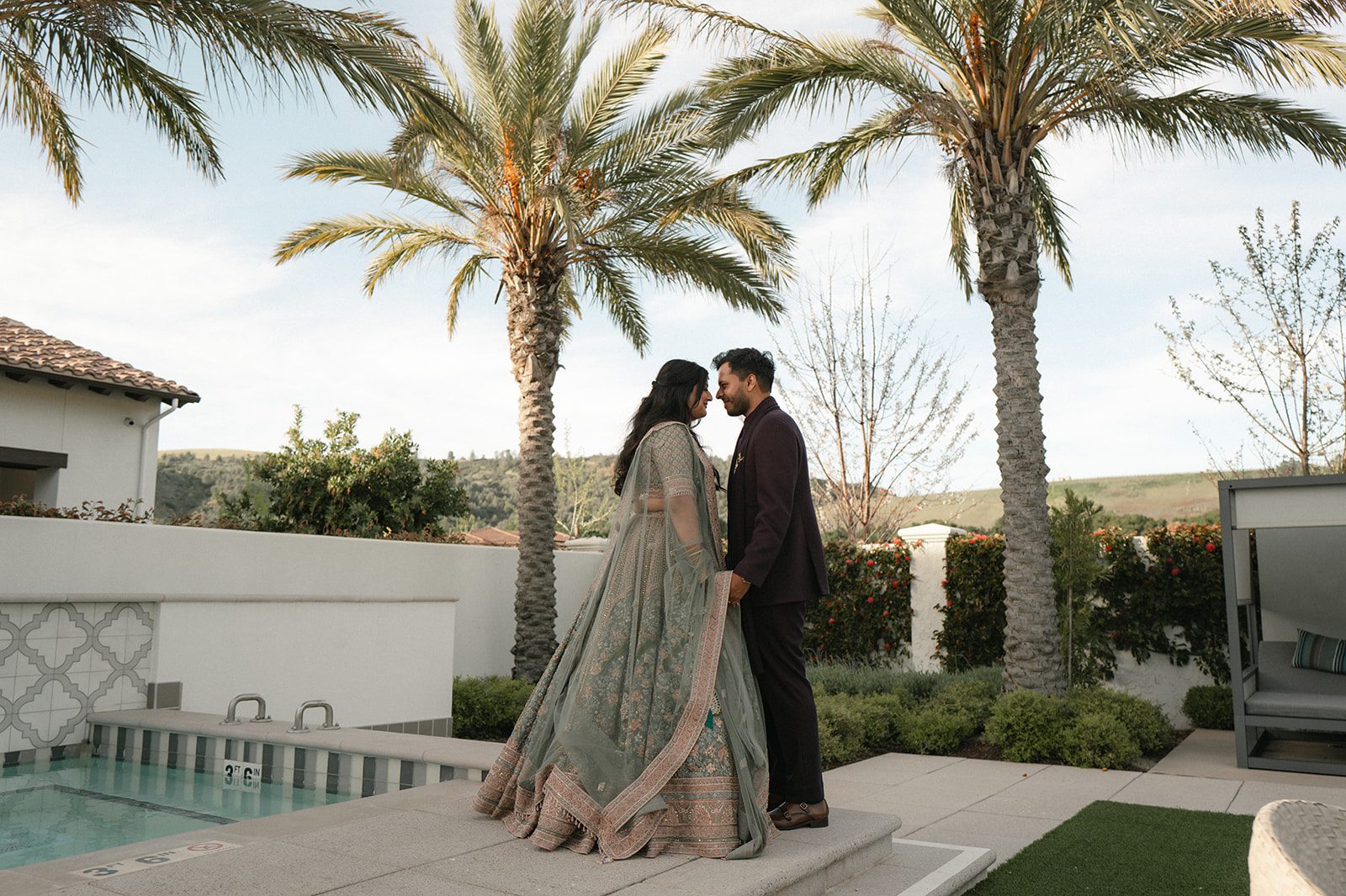
Private vows during a first look can be really meaningful, especially because many South Asian religious ceremonies don’t include Western-style vows. It gives you a few minutes to say something directly to each other before stepping into the larger ceremony.
I also encourage couples to understand what’s happening during their ceremony. Talk with your families beforehand about the rituals and their significance. When you understand what you’re participating in, it’s much easier to actually be present rather than wondering what you’re supposed to do next.
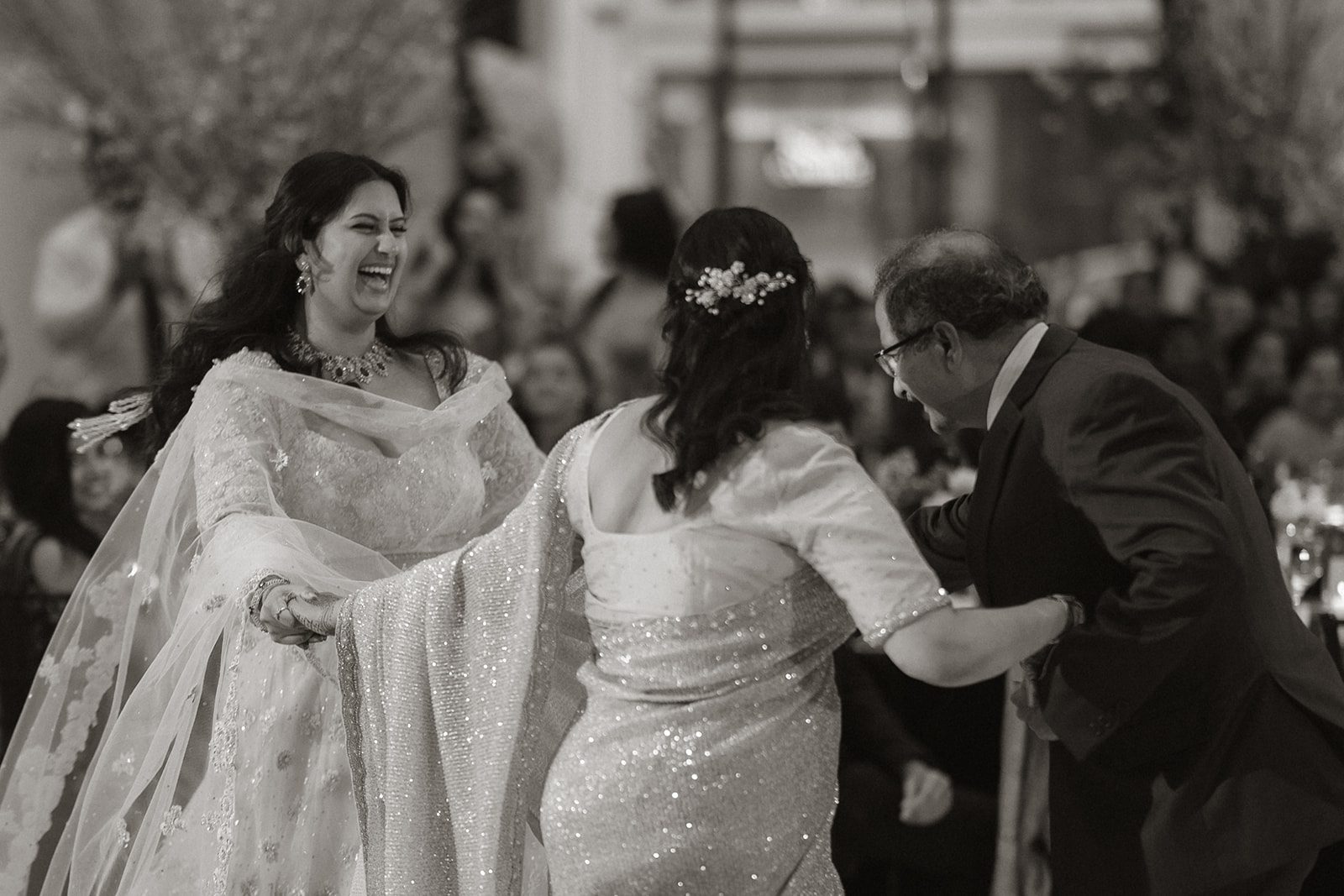
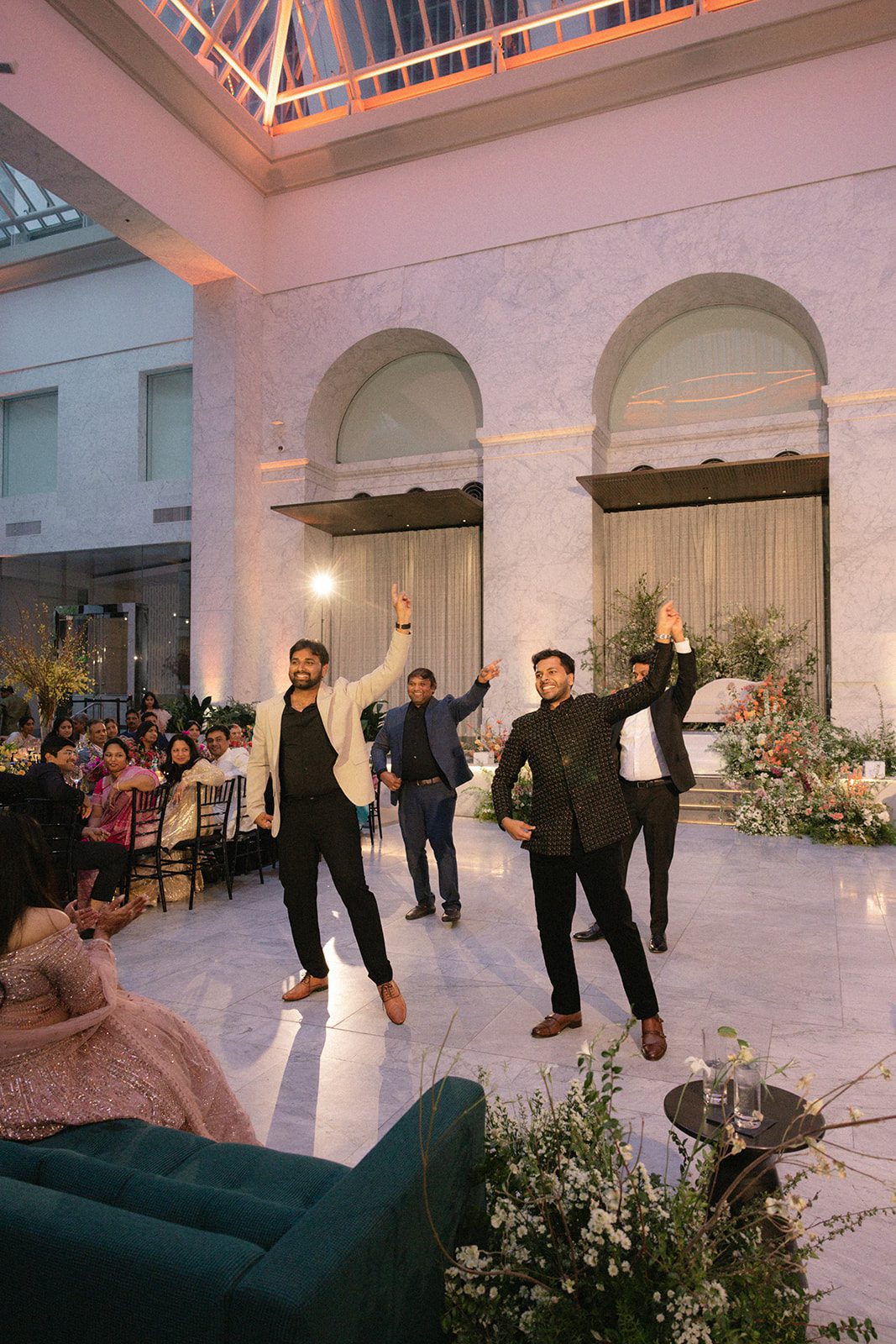
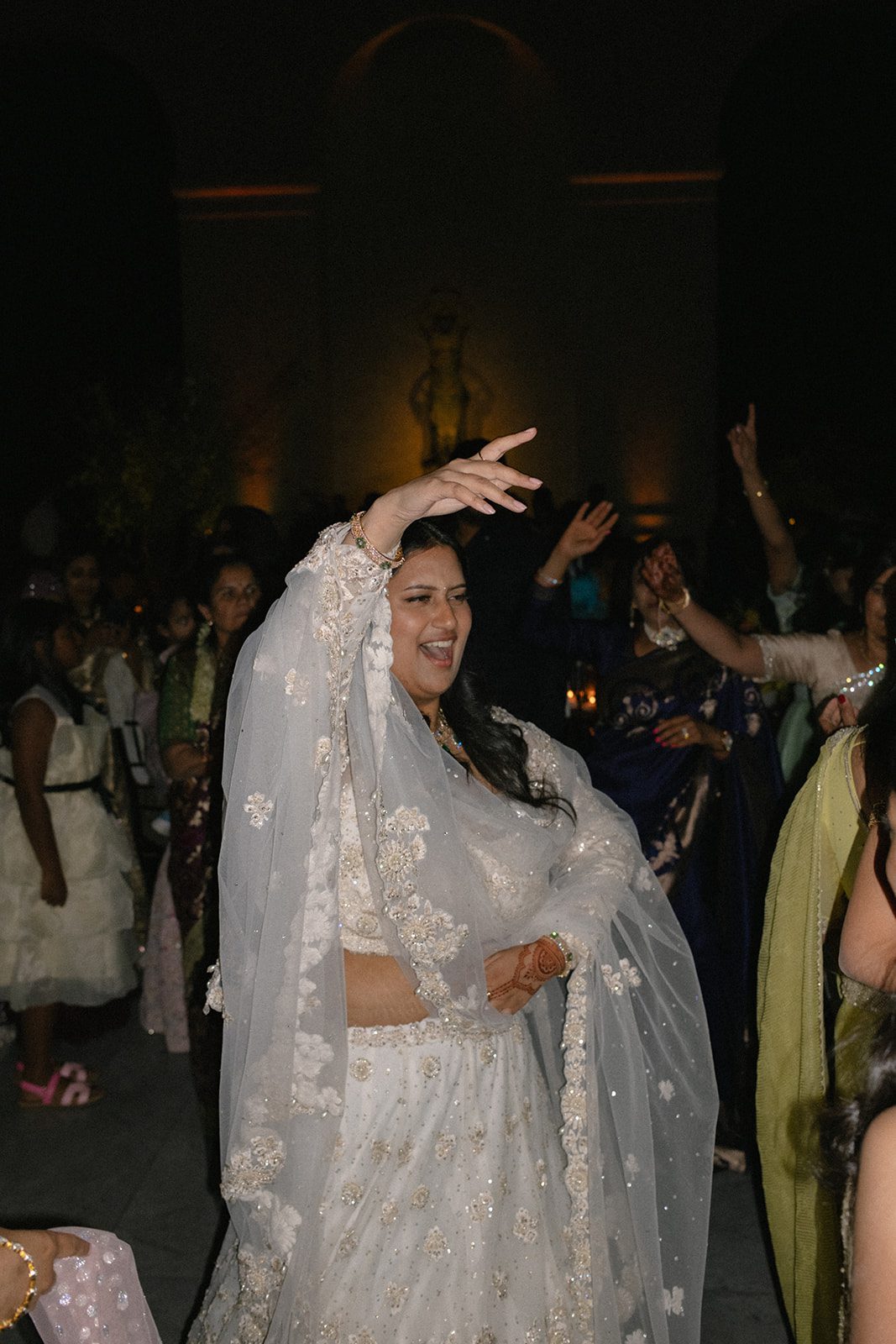
And finally: dance together. It sounds ridiculously obvious, but couples get pulled in a million directions during receptions. Give yourselves at least a little time on the open dance floor where you’re actually together, surrounded by all the people you brought there to celebrate with you.
None of those things require rebuilding your entire timeline. They’re small choices, but they can completely change how present you feel during the day.
Planning Photography for a Full South Asian Wedding Day
Indian weddings are full! That’s part of what makes photographing them so much fun, but it also means your photography timeline needs to account for much more than portraits.
As an Indian wedding photographer, I’m thinking about how the religious ceremonies, family expectations, portraits, transitions, and reception all fit together, but I’m also looking for places where we can give you some space.
I’m always going to care about the photos. Obviously. That is literally why I’m there. But I care just as much about making sure the photos do not take over the whole day. Your wedding is not supposed to feel like one long photo assignment with outfit changes and a dinner break.
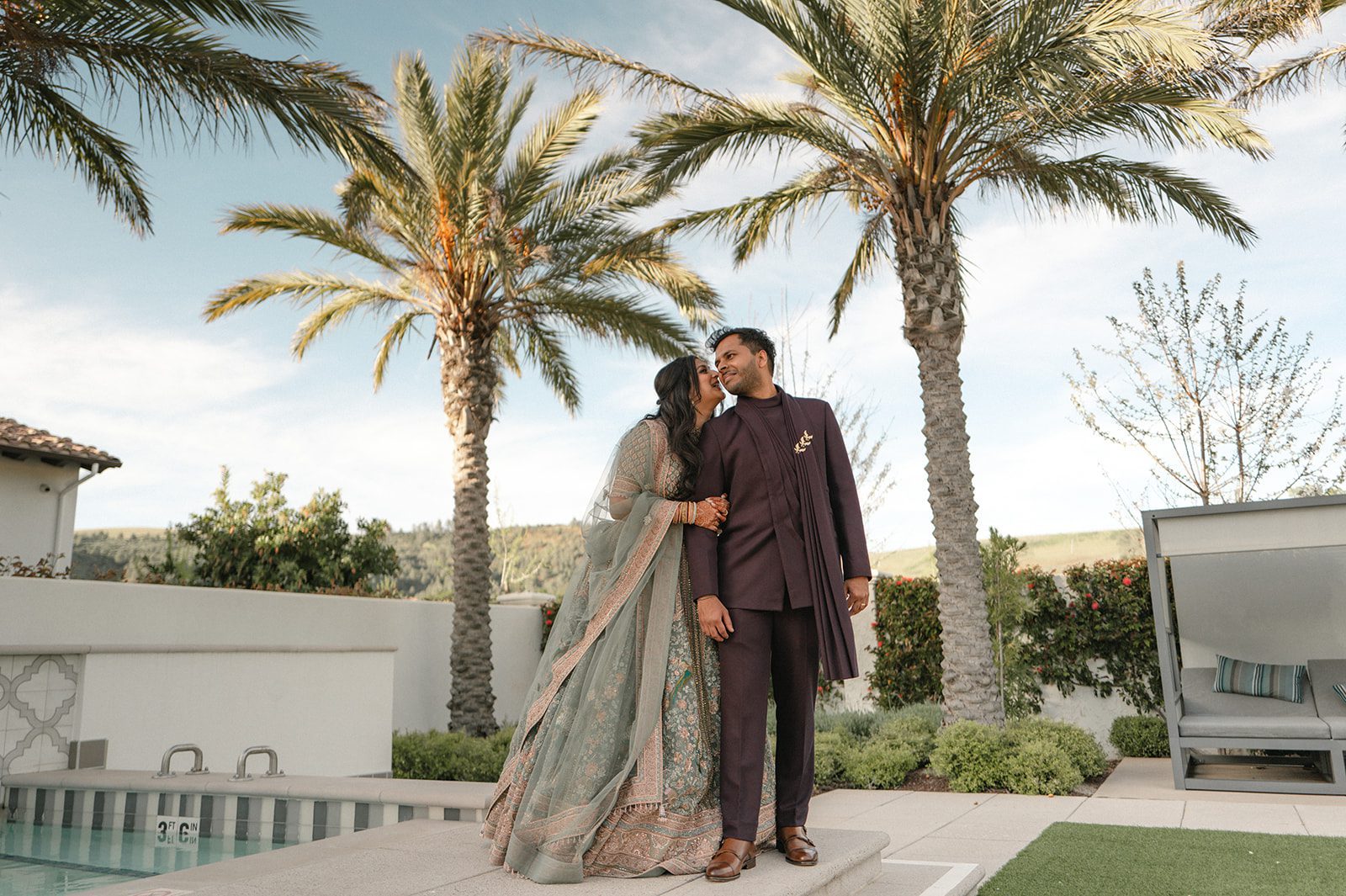
That’s especially important during a multi-day celebration. By the time you reach the wedding itself, you’ve potentially already spent several days attending events, getting ready, taking photos, greeting guests, and being very socially “on.” Your wedding day doesn’t need to become one more giant checklist. Good timeline planning gives us the photographs we want while still leaving room for you to experience what’s happening around you.
If you’re planning a South Asian wedding and already wondering how portraits, family photos, traditions, and transitions are all supposed to fit into one day, this is exactly the kind of thing I help my couples think through before the wedding arrives. You can read more about my wedding photography experience here.
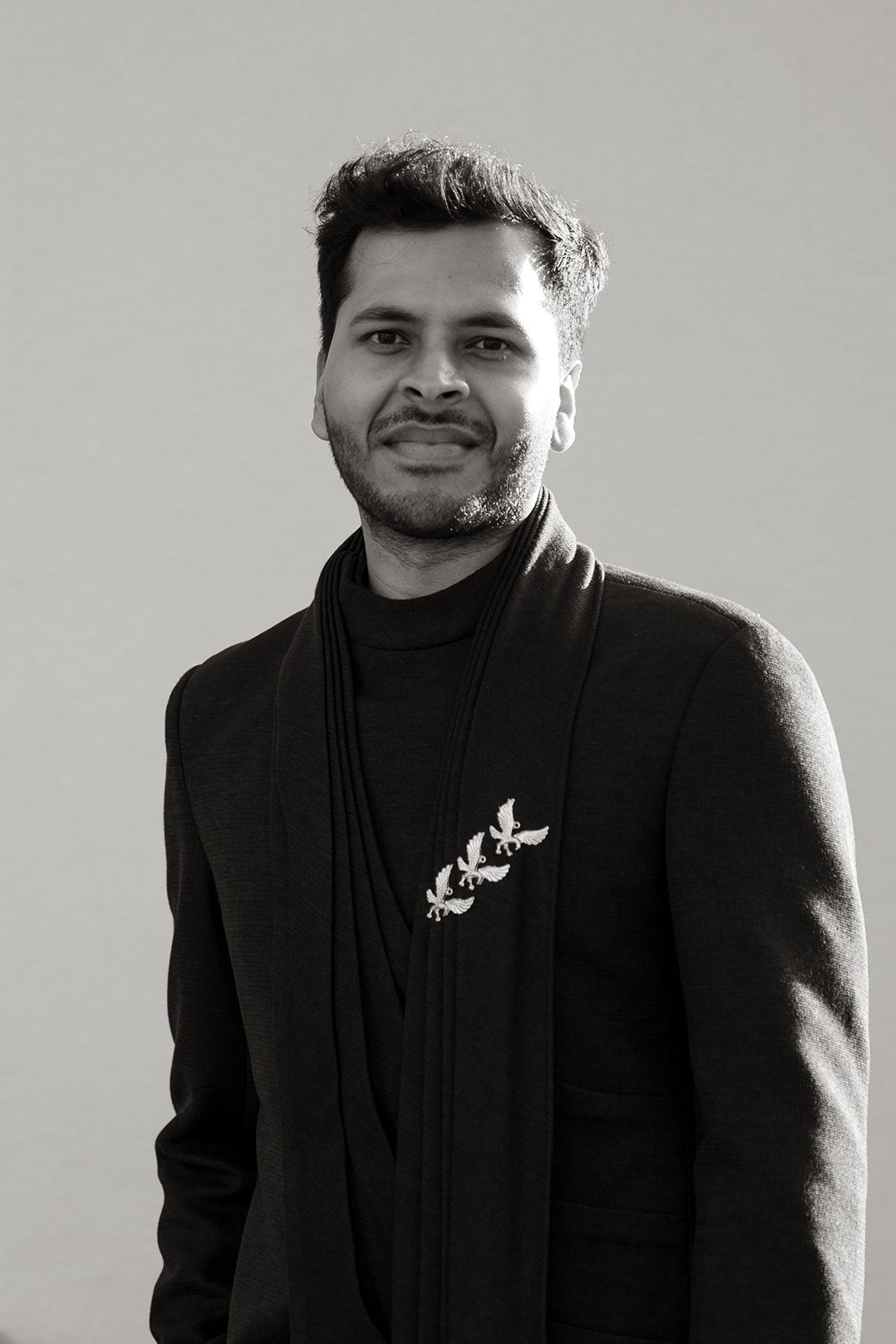
The Team Behind This Conservatory at One Sansome Wedding
Looking back at this gallery, what really stands out is how much work went into bringing everything together.
The florals and design were unique and beautiful. The DJ brought so much energy to the reception. The planning team navigated a complicated day and venue transitions. Every vendor had their own piece of the puzzle, and together they transformed The Conservatory at One Sansome into a setting for a very traditional Telugu celebration in the middle of San Francisco.
If you’re planning a large cultural wedding, I’d think about your vendor team as exactly that—a team. You want people whose work you love, of course, but you also want people you trust to collaborate when the timeline gets complicated.
Because things will change. Something will run late. A room may need to flip quickly. Your portrait plan might change. And when you have a team that knows how to adapt, you get to spend a lot less time worrying about any of it.
Planning Your Own Indian Wedding in San Francisco?
As an Indian wedding photographer and San Francisco wedding photographer, I’ll help you think through more than just where and when we’re taking photos. We’ll build a photography timeline that works with your traditions, gives us room to create, and most importantly, gives you room to actually experience your wedding.
If you’re planning an Indian wedding at The Conservatory at One Sansome or somewhere else in the Bay Area, I’d be so excited to hear what you’re dreaming up. Especially if you’re trying to figure out how to honor your traditions, keep your families happy, make space for real connection, and still end up with photos that feel creative, intentional, and very much like you.
I’ll help you think through the timeline, the light, the family photo chaos, the portrait pockets, and the little moments you might not even realize you’ll want until later. Reach out here, and let’s start planning something that feels like yours.
Vendor Team
Venue: The Conservatory at One Sansome
Planning & Design: Amora Events
Florals: M.Flora
Rentals: Fine Linen Creations
Sound & Lighting: Kingh
Videography: Killer Creations
Catering: Bogh
Hair & Makeup: AML
Photo Booth: SF Booths
Wedding Photography: Photos by Anusha


Comments +